Joints and ligamentsFibrous joints of the vertebral column
Anterior longitudinal ligament
Ligamentum longitudinale anterius
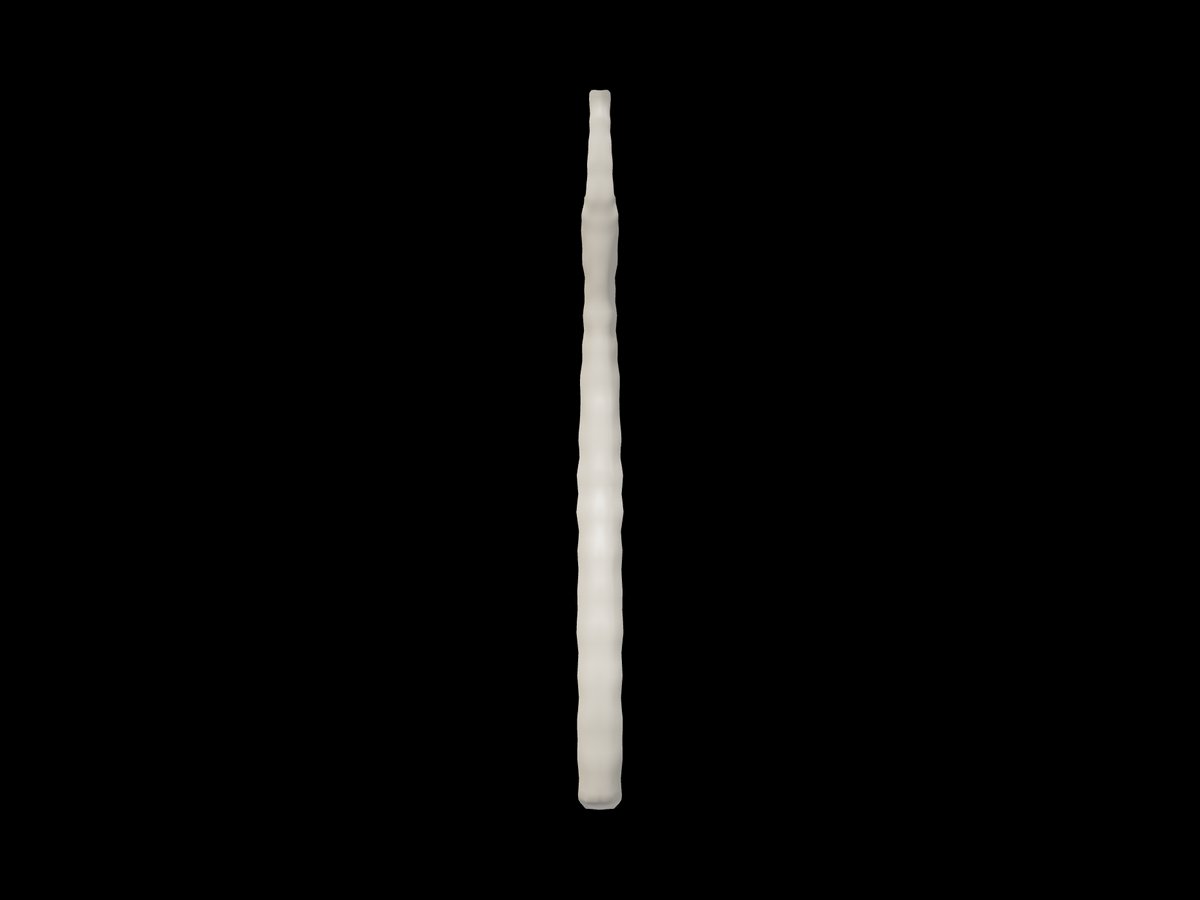
The anterior longitudinal ligament is a broad, strong band running down the front of the vertebral bodies and discs from the base of the skull to the sacrum.
Other names: Ligamentum longitudinale anterius (Latin) · Ligament longitudinal antérieur (French) · Ligamento longitudinal anterior (Spanish, Portuguese)
Key facts
- Type
- Long ligament of the vertebral column
- Function
- Limits backward bending (extension) of the spine and supports the front of the discs.
Location and relations
Front of the vertebral bodies; narrow at the top, attached above to the occipital bone and the front of the atlas, widening as it descends to the front of the upper sacrum. Firmly attached to the bodies and discs.
Clinical notes
- Torn or stretched in hyperextension injuries of the neck, such as whiplash
- In diffuse idiopathic skeletal hyperostosis (DISH) it turns to bone, looking like candle wax flowing down the front of the spine on X-ray
- Surgeons approaching the spine from the front cut through it to reach the discs
Quick answers
Where is the anterior longitudinal ligament located?
Front of the vertebral bodies; narrow at the top, attached above to the occipital bone and the front of the atlas, widening as it descends to the front of the upper sacrum. Firmly attached to the bodies and discs.
What does the anterior longitudinal ligament do?
Limits backward bending (extension) of the spine and supports the front of the discs.
Notes written for anatmy3d and checked against Gray’s Anatomy, Moore’s Clinically Oriented Anatomy and Netter. Last reviewed .