Body of uterus
Corpus uteri
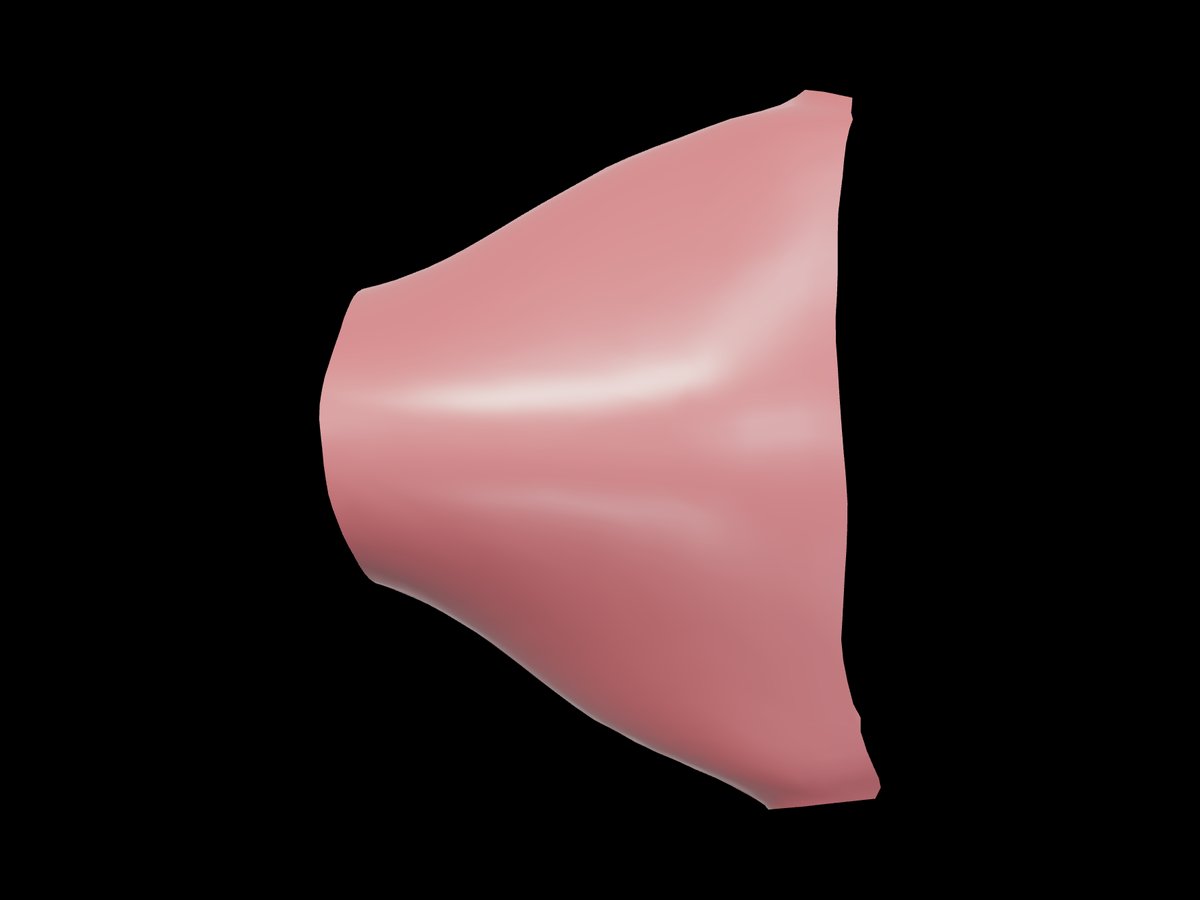
The body of the uterus is its main part, a thick-walled muscular organ in which a pregnancy grows.
Other names: Corpus uteri (Latin) · Corps de l'utérus (French) · Cuerpo del útero (Spanish) · Corpo do útero (Portuguese)
Key facts
- Type
- Part of the uterus
- Arterial supply
- Uterine arteries (from the internal iliac), with ovarian contributions
- Function
- Receives and nourishes the embryo and expels the baby at birth.
Location and relations
Between the fundus and the isthmus, usually tilted forward over the bladder (anteverted and anteflexed).
Parts and features
- Endometrium (inner lining, shed in menstruation)
- Myometrium (thick muscle)
- Perimetrium (peritoneal covering)
Clinical notes
- Fibroids (benign muscle tumours) are very common and can cause heavy periods
- Endometrial cancer often causes bleeding after the menopause
- Endometriosis is lining-like tissue outside the uterus, causing pain
Quick answers
Where is the body of uterus located?
Between the fundus and the isthmus, usually tilted forward over the bladder (anteverted and anteflexed).
What does the body of uterus do?
Receives and nourishes the embryo and expels the baby at birth.
What is the blood supply of the body of uterus?
Uterine arteries (from the internal iliac), with ovarian contributions
Notes written for anatmy3d and checked against Gray’s Anatomy, Moore’s Clinically Oriented Anatomy and Netter. Last reviewed .