Brain and spinal cordLimbic lobe
Cingulate gyrus (Posteroventral part)
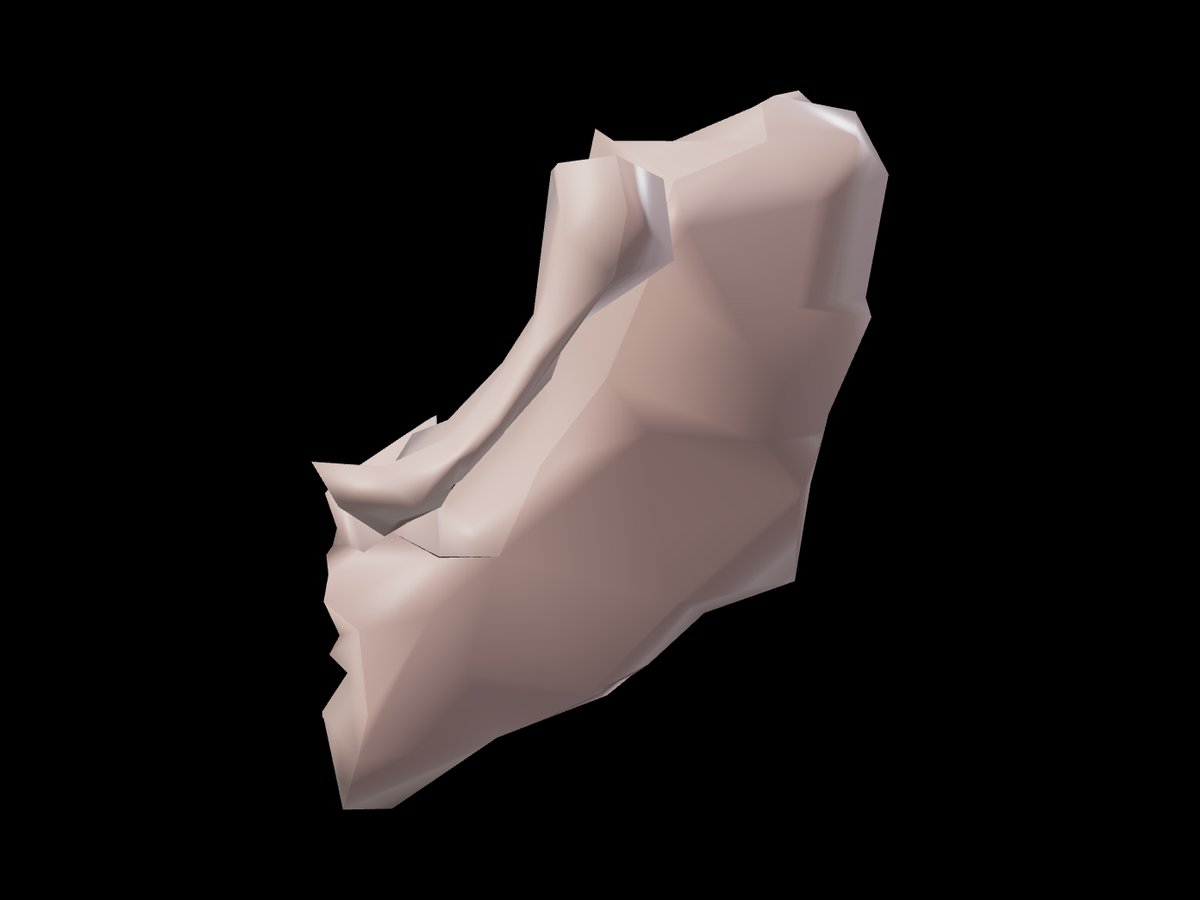
The posteroventral part of the cingulate gyrus lies behind and below the corpus callosum, near the splenium, in the region of the retrosplenial cortex.
Key facts
- Type
- Part of the cingulate gyrus (limbic lobe)
- Arterial supply
- Posterior cerebral artery
- Function
- Memory, spatial navigation and imagining scenes.
Location and relations
Medial surface, curving around the splenium of the corpus callosum towards the parahippocampal gyrus (the isthmus of the cingulate gyrus).
Clinical notes
- Damage can cause amnesia and difficulty finding the way in familiar places (retrosplenial amnesia)
Quick answers
Where is the cingulate gyrus (Posteroventral part) located?
Medial surface, curving around the splenium of the corpus callosum towards the parahippocampal gyrus (the isthmus of the cingulate gyrus).
What does the cingulate gyrus (Posteroventral part) do?
Memory, spatial navigation and imagining scenes.
What is the blood supply of the cingulate gyrus (Posteroventral part)?
Posterior cerebral artery
Notes written for anatmy3d and checked against Gray’s Anatomy, Moore’s Clinically Oriented Anatomy and Netter. Last reviewed .