Joints and ligamentsMetacarpophalangeal joints
Collateral metacarpophalangeal ligaments
Ligamenta metacarpophalangea collateralia
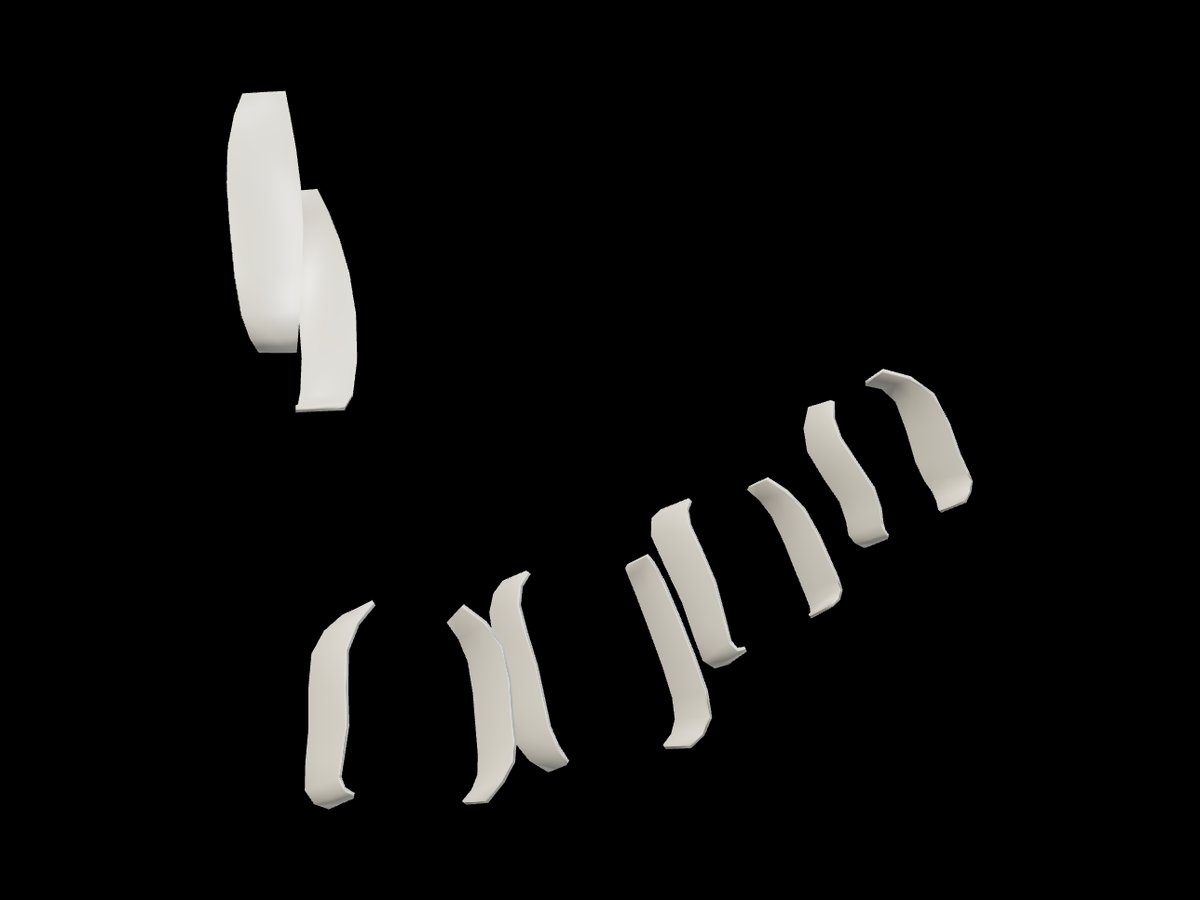
The collateral ligaments of the metacarpophalangeal joints run on each side of the knuckles. They are slack when the knuckle is straight and tight when it is bent, because the metacarpal head is cam-shaped.
Other names: Ligamenta metacarpophalangea collateralia (Latin) · Ligaments métacarpophalangiens collatéraux (French) · Ligamentos metacarpofalángicos colaterales (Spanish) · Ligamentos metacarpofalangeanos colaterais (Portuguese)
Key facts
- Type
- Collateral ligaments (proper and accessory parts)
- Function
- Stabilise the joint against sideways forces, especially when the knuckle is bent.
Location and relations
Sides of each metacarpophalangeal joint.
Clinical notes
- Tear of the ulnar collateral ligament of the thumb (gamekeeper's or skier's thumb) makes pinch unstable and may need surgery
- Immobilising the knuckles straight lets the ligaments shorten, causing stiffness
Quick answers
Where are the collateral metacarpophalangeal ligaments located?
Sides of each metacarpophalangeal joint.
What do the collateral metacarpophalangeal ligaments do?
Stabilise the joint against sideways forces, especially when the knuckle is bent.
Notes written for anatmy3d and checked against Gray’s Anatomy, Moore’s Clinically Oriented Anatomy and Netter. Last reviewed .