Costal cartilage of tenth rib
Cartilago costae decimae costae
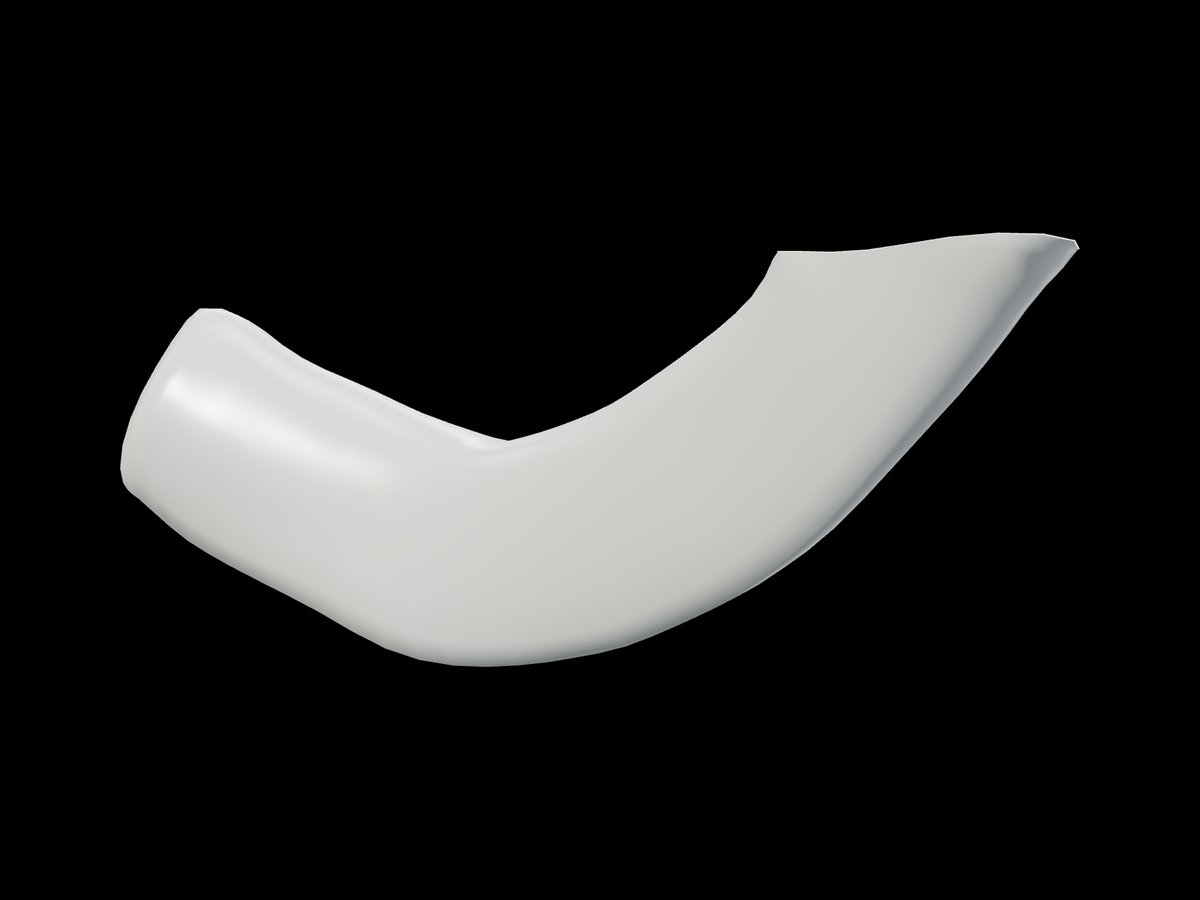
The tenth costal cartilage joins the ninth cartilage (in most people) and forms the lowest part of the costal margin.
Other names: Cartilago costae decimae costae (Latin) · Cartilage costal de la dixième côte (French) · Cartílago costal de la décima costilla (Spanish) · Cartilagem costal da décima costela (Portuguese)
Key facts
- Type
- Hyaline cartilage (costal cartilage)
- Arterial supply
- Musculophrenic and tenth posterior intercostal arteries
- Articulations
- Tenth rib; ninth costal cartilage
- Ligaments
- Interchondral ligament
- Ossification
- Remains cartilage
- Function
- The lowest part of the costal margin, usually joined to the ninth cartilage but free in some people; the diaphragm and transversus abdominis arise from its inner surface
Location and relations
Lowest part of the costal margin in the mid-axillary line.
Parts and features
- Tapering tip joining the ninth cartilage, or ending free in the abdominal wall in some people (a "floating" tenth rib)
Surface anatomy
The lowest point of the costal margin; the subcostal plane through it lies at L3.
Muscles attached to the costal cartilage of tenth rib
Origins
Insertions
Clinical notes
- The subcostal plane (L3) is used to divide the abdomen into regions; it passes near the origin of the inferior mesenteric artery
Quick answers
Where is the costal cartilage of tenth rib located?
Lowest part of the costal margin in the mid-axillary line.
What does the costal cartilage of tenth rib articulate with?
Tenth rib; ninth costal cartilage
When does the costal cartilage of tenth rib ossify?
Remains cartilage
What is the blood supply of the costal cartilage of tenth rib?
Musculophrenic and tenth posterior intercostal arteries
What does the costal cartilage of tenth rib do?
The lowest part of the costal margin, usually joined to the ninth cartilage but free in some people; the diaphragm and transversus abdominis arise from its inner surface
Notes written for anatmy3d and checked against Gray’s Anatomy, Moore’s Clinically Oriented Anatomy and Netter. Last reviewed .