External iliac artery
Arteria iliaca externa
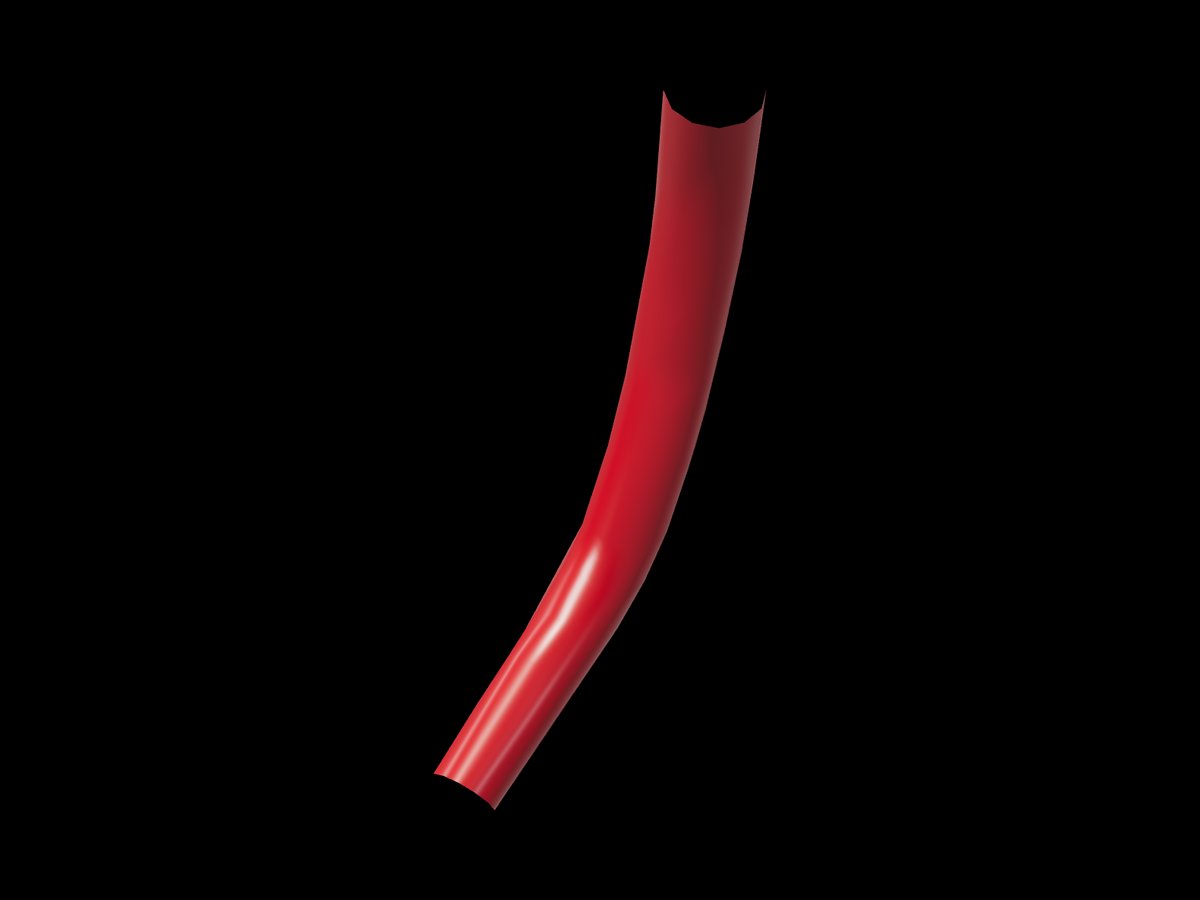
The external iliac artery is the main artery to the leg. It runs along the pelvic brim and becomes the femoral artery as it passes under the inguinal ligament.
Other names: Arteria iliaca externa (Latin, Spanish) · Artère iliaque externe (French) · Artéria externa / ilíaca (Portuguese)
Key facts
- Type
- Muscular artery
- Supplies
- Lower abdominal wall and most of the lower limb (the gluteal region is supplied by internal iliac branches)
- Branches
- Inferior epigastric artery, deep circumflex iliac artery
- Course
- Begins at the common iliac bifurcation in front of the sacro-iliac joint and runs down along the inner border of psoas to pass under the inguinal ligament halfway between the anterior superior iliac spine and the pubic symphysis.
- Function
- The main supply of the lower limb, it carries oxygen-rich blood along the pelvic brim and becomes the femoral artery under the inguinal ligament; it also gives the inferior epigastric and deep circumflex iliac arteries.
Clinical notes
- A transplanted kidney is usually connected to it
- Competitive cyclists can develop narrowing from thickening of its wall (external iliac endofibrosis), causing leg pain at high effort
- It is the route for large catheters in aortic stent and valve procedures
Quick answers
What is the course of the external iliac artery?
Begins at the common iliac bifurcation in front of the sacro-iliac joint and runs down along the inner border of psoas to pass under the inguinal ligament halfway between the anterior superior iliac spine and the pubic symphysis.
What are the branches of the external iliac artery?
Inferior epigastric artery, deep circumflex iliac artery
What does the external iliac artery supply?
Lower abdominal wall and most of the lower limb (the gluteal region is supplied by internal iliac branches)
Notes written for anatmy3d and checked against Gray’s Anatomy, Moore’s Clinically Oriented Anatomy and Netter. Last reviewed .