VeinsSystemic veins
Femoral vein
Vena femoralis
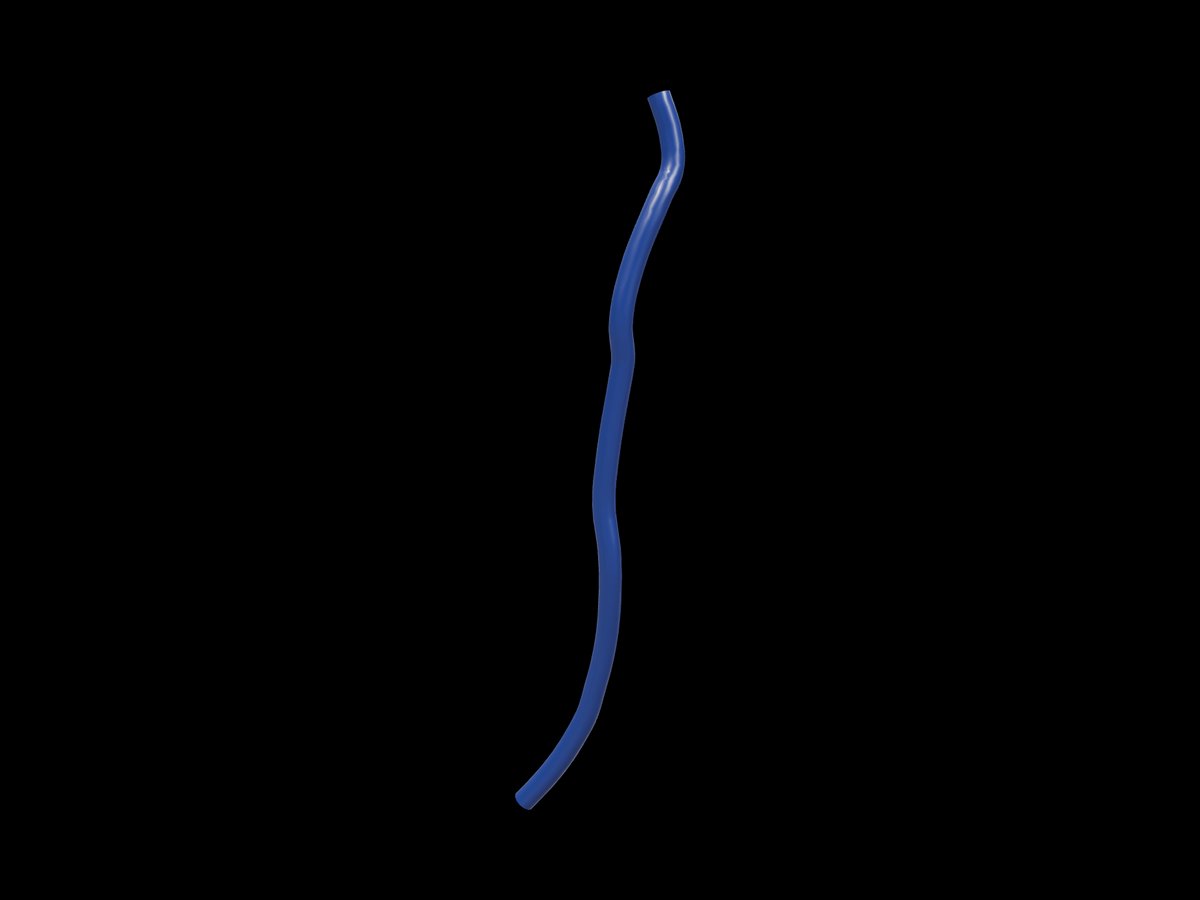
The femoral vein is the main deep vein of the thigh. It continues the popliteal vein and becomes the external iliac vein at the inguinal ligament.
Other names: Vena femoralis (Latin) · Veine fémorale (French) · Vena femoral (Spanish) · Veia femoral (Portuguese)
Key facts
- Type
- Deep vein
- Drains
- Most of the lower limb (the gluteal region drains to the internal iliac vein)
- Tributaries
- Deep femoral vein, great saphenous vein, circumflex femoral veins, muscular veins
- Course
- Begins at the adductor hiatus, ascends through the adductor canal behind the femoral artery and through the femoral triangle on the inner side of the artery, and passes under the inguinal ligament.
- Function
- Carries the blood of the leg and most of the thigh up to the inguinal ligament, where it becomes the external iliac vein; valves in it and the squeeze of surrounding muscles keep the blood moving upwards against gravity.
Clinical notes
- A common site of deep vein thrombosis, which can break off and travel to the lungs (pulmonary embolism)
- Used for central venous access in emergencies, just medial to the femoral pulse
- Despite its older name "superficial femoral vein", it is a deep vein
Quick answers
What is the course of the femoral vein?
Begins at the adductor hiatus, ascends through the adductor canal behind the femoral artery and through the femoral triangle on the inner side of the artery, and passes under the inguinal ligament.
What are the tributaries of the femoral vein?
Deep femoral vein, great saphenous vein, circumflex femoral veins, muscular veins
What does the femoral vein drain?
Most of the lower limb (the gluteal region drains to the internal iliac vein)
Notes written for anatmy3d and checked against Gray’s Anatomy, Moore’s Clinically Oriented Anatomy and Netter. Last reviewed .