Frontalis muscle
Musculus frontalis
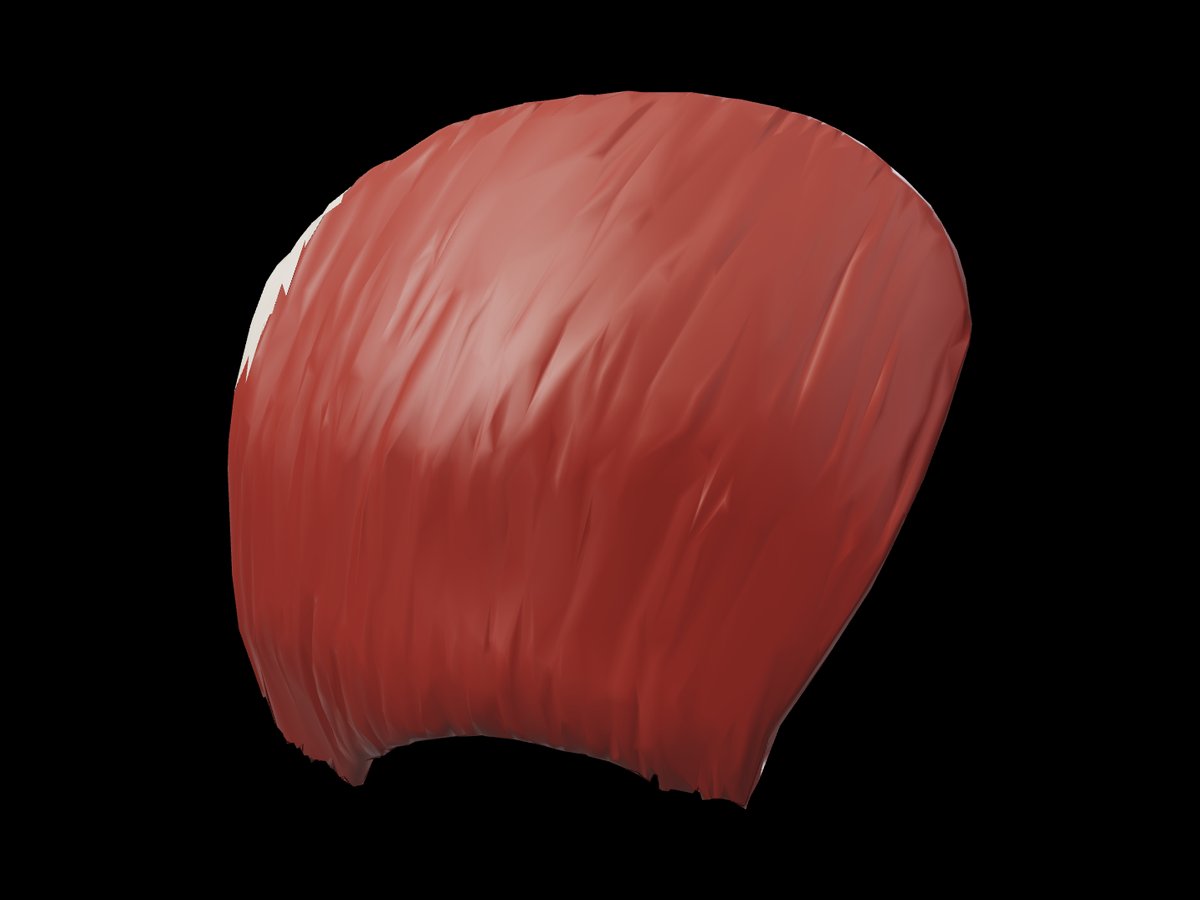
Frontalis is the front belly of the occipitofrontalis (epicranius) muscle. It raises the eyebrows and wrinkles the forehead, as in surprise.
Other names: Musculus frontalis (Latin) · Muscle frontal (French) · Músculo frontal (Spanish, Portuguese)
Key facts
- Origin
- Epicranial aponeurosis
- Insertion
- Skin and subcutaneous tissue of the eyebrows and forehead
- Action
- Raises the eyebrows; wrinkles the forehead
- Nerve supply
- Temporal branch of the facial nerve (CN VII)
- Arterial supply
- Supra-orbital, supratrochlear and superficial temporal arteries
- Function
- Elevates the eyebrows and wrinkles the forehead; with occipitalis it moves the scalp.
Location and relations
Forehead, from the epicranial aponeurosis to the skin of the eyebrows; it has no bony attachment.
Surface anatomy
Its action is seen as horizontal forehead lines.
Clinical notes
- Spared in central (upper motor neuron) facial palsy, such as a stroke, because the forehead has nerve supply from both sides of the brain; paralysed in Bell's palsy (lower motor neuron)
- A common site for botulinum toxin injection for forehead lines
Quick answers
What are the origin and insertion of the frontalis muscle?
Origin: Epicranial aponeurosis. Insertion: Skin and subcutaneous tissue of the eyebrows and forehead.
What does the frontalis muscle do?
Raises the eyebrows; wrinkles the forehead
What is the nerve supply of the frontalis muscle?
Temporal branch of the facial nerve (CN VII)
What is the blood supply of the frontalis muscle?
Supra-orbital, supratrochlear and superficial temporal arteries
Where is the frontalis muscle located?
Forehead, from the epicranial aponeurosis to the skin of the eyebrows; it has no bony attachment.
Notes written for anatmy3d and checked against Gray’s Anatomy, Moore’s Clinically Oriented Anatomy and Netter. Last reviewed .