Infraspinatus muscle
Musculus infraspinatus
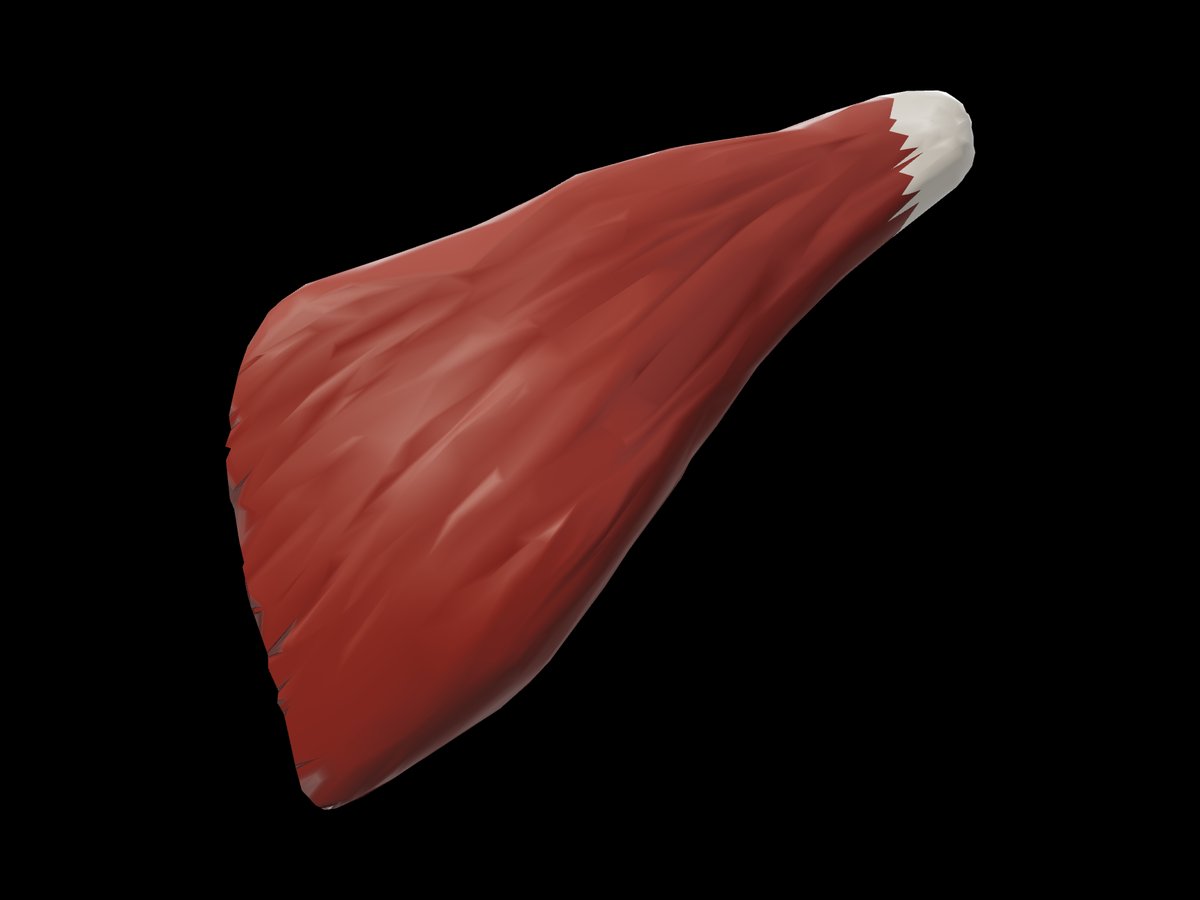
Infraspinatus is the thick triangular rotator cuff muscle below the spine of the scapula. It is the main lateral (external) rotator of the arm and steadies the humeral head.
Other names: Musculus infraspinatus (Latin) · Muscle infra-épineux (French) · Músculo infraespinoso (Spanish) · Músculo infraespinhal (Portuguese)
The same notes are on the main page: Infraspinatus muscle (Muscles).
Key facts
- Origin
- Infraspinous fossa of the scapula
- Insertion
- Middle facet of the greater tubercle of the humerus
- Action
- Laterally rotates the arm; stabilises the shoulder (rotator cuff)
- Nerve supply
- Suprascapular nerve (C5–C6)
- Arterial supply
- Suprascapular and circumflex scapular arteries
- Function
- Turns the arm outwards (as when bringing the hand back from the chest) and resists the humeral head sliding backwards.
Location and relations
Fills most of the infraspinous fossa; its tendon passes behind the shoulder joint to the middle facet of the greater tubercle.
Surface anatomy
Felt below the spine of the scapula, partly covered by trapezius and deltoid.
Clinical notes
- Suprascapular nerve entrapment at the spinoglenoid notch can weaken infraspinatus alone, seen in volleyball players and overhead athletes
- Weak external rotation is a sign of a large rotator cuff tear involving infraspinatus
Quick answers
What are the origin and insertion of the infraspinatus muscle?
Origin: Infraspinous fossa of the scapula. Insertion: Middle facet of the greater tubercle of the humerus.
What does the infraspinatus muscle do?
Laterally rotates the arm; stabilises the shoulder (rotator cuff)
What is the nerve supply of the infraspinatus muscle?
Suprascapular nerve (C5–C6)
What is the blood supply of the infraspinatus muscle?
Suprascapular and circumflex scapular arteries
Where is the infraspinatus muscle located?
Fills most of the infraspinous fossa; its tendon passes behind the shoulder joint to the middle facet of the greater tubercle.
Notes written for anatmy3d and checked against Gray’s Anatomy, Moore’s Clinically Oriented Anatomy and Netter. Last reviewed .