Brain and spinal cordTelencephalon
Insula (Subcentral gyrus and ant. and post. sulci)
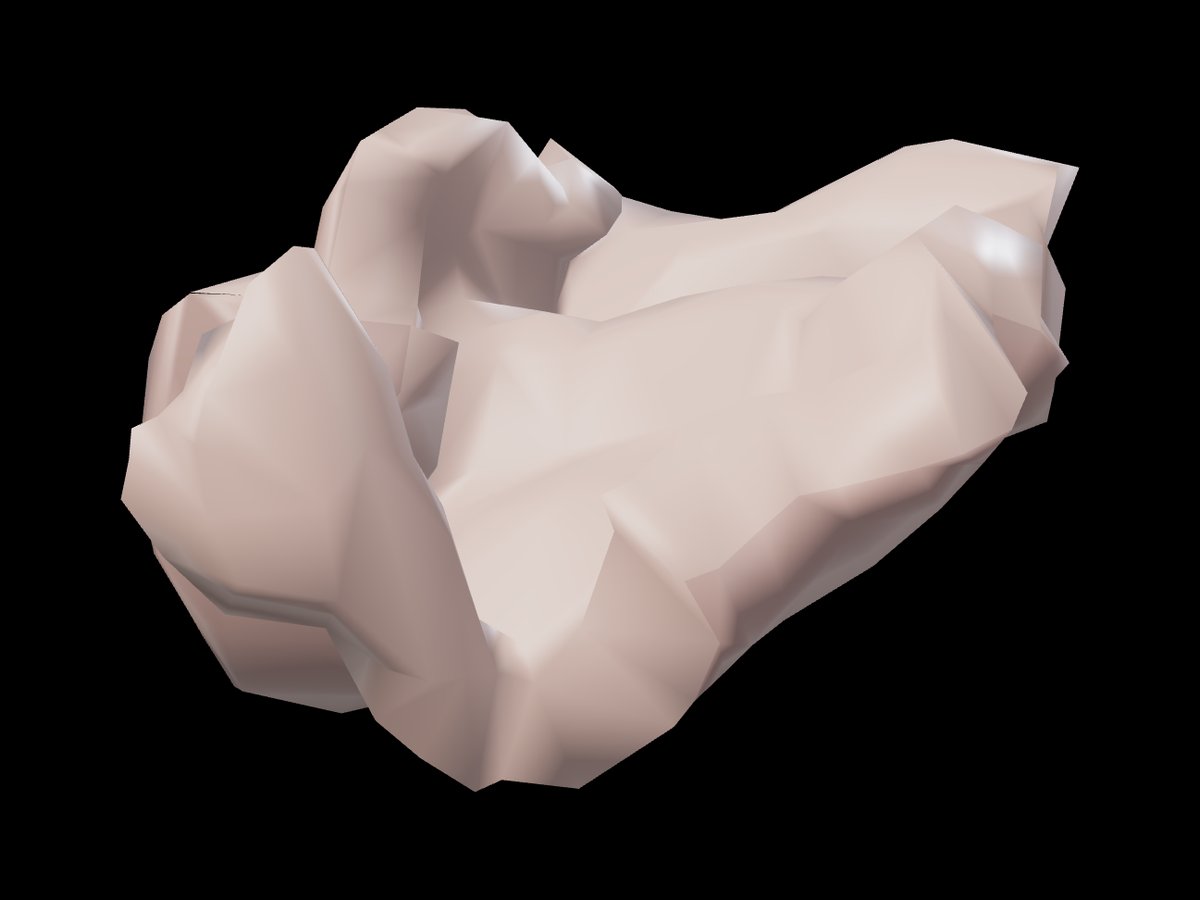
The subcentral gyrus is where the lower ends of the motor and sensory strips meet, at the bottom of the central sulcus just above the insula. It controls movement and sensation of the face, mouth and throat.
Key facts
- Type
- Gyrus of the frontoparietal operculum
- Arterial supply
- Middle cerebral artery (opercular branches)
- Function
- Movement and sensation of the face, tongue, lips, jaw and larynx; involved in speech and swallowing.
Location and relations
Lower end of the central sulcus, bordered by the anterior and posterior subcentral sulci, just above the lateral sulcus and overlying the insula.
Clinical notes
- Damage on both sides causes the opercular syndrome, with inability to move the face and tongue on command although automatic movements like yawning are preserved
Quick answers
Where is the insula (Subcentral gyrus and ant. and post. sulci) located?
Lower end of the central sulcus, bordered by the anterior and posterior subcentral sulci, just above the lateral sulcus and overlying the insula.
What does the insula (Subcentral gyrus and ant. and post. sulci) do?
Movement and sensation of the face, tongue, lips, jaw and larynx; involved in speech and swallowing.
What is the blood supply of the insula (Subcentral gyrus and ant. and post. sulci)?
Middle cerebral artery (opercular branches)
Notes written for anatmy3d and checked against Gray’s Anatomy, Moore’s Clinically Oriented Anatomy and Netter. Last reviewed .