Joints and ligamentsFibrous joints of the free lower limb
Interosseous membrane of leg
Membrana interossea cruris
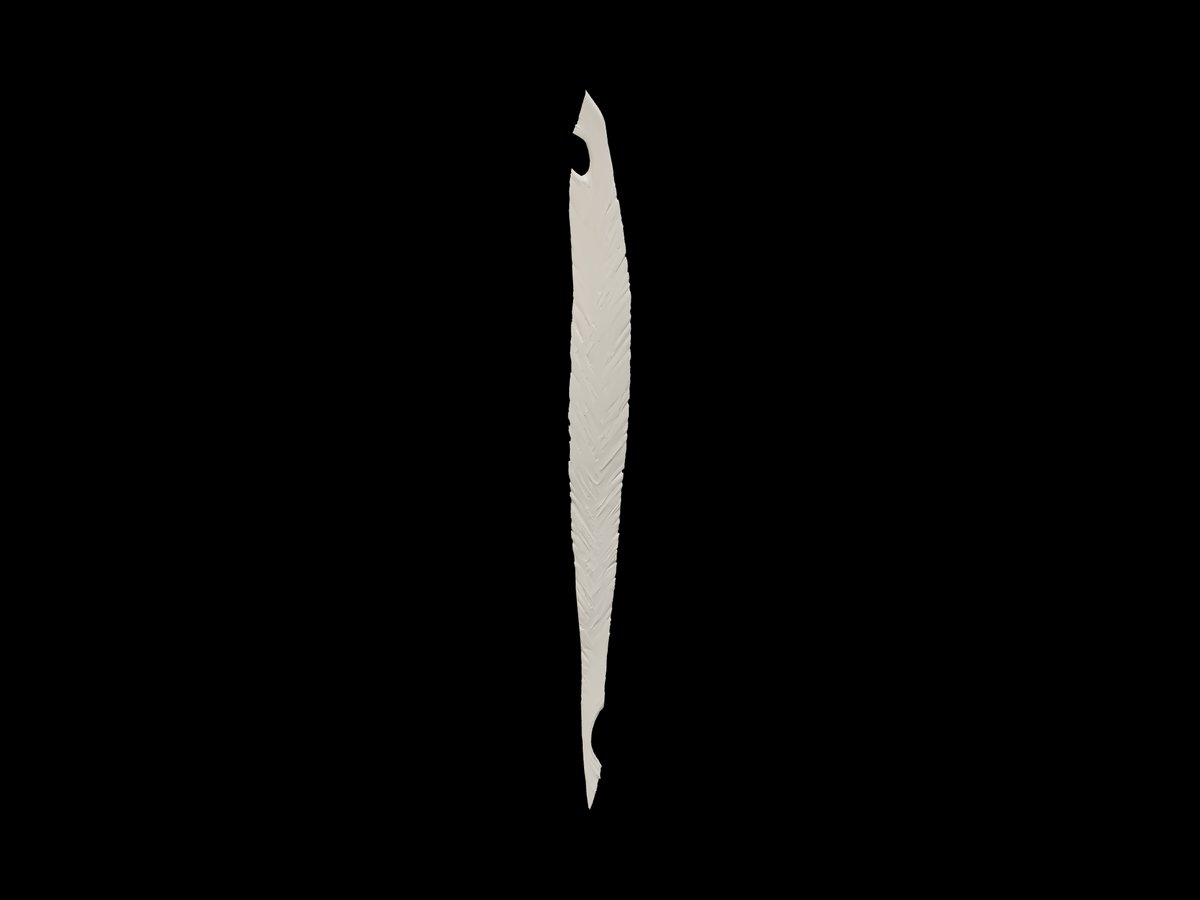
The interosseous membrane of the leg is a strong sheet of fibres joining the interosseous borders of the tibia and fibula. It separates the front and back muscle compartments of the leg.
Other names: Membrana interossea cruris (Latin) · Membrane interosseuse de la jambe (French) · Membrana interósea de la pierna (Spanish) · Membrana interóssea da perna (Portuguese)
Key facts
- Type
- Syndesmosis (fibrous joint)
- Function
- Binds the bones, gives attachment to leg muscles (tibialis anterior and posterior, toe extensors) and continues below as the ligaments of the tibiofibular syndesmosis.
Location and relations
Between the shafts of the tibia and fibula; an opening near the top lets the anterior tibial vessels through, and a lower opening carries the perforating branch of the fibular artery.
Clinical notes
- In a Maisonneuve injury, an ankle twist tears the syndesmosis and membrane and breaks the upper fibula
- It forms a wall of the tight leg compartments in which compartment syndrome develops
Quick answers
Where is the interosseous membrane of leg located?
Between the shafts of the tibia and fibula; an opening near the top lets the anterior tibial vessels through, and a lower opening carries the perforating branch of the fibular artery.
What does the interosseous membrane of leg do?
Binds the bones, gives attachment to leg muscles (tibialis anterior and posterior, toe extensors) and continues below as the ligaments of the tibiofibular syndesmosis.
Notes written for anatmy3d and checked against Gray’s Anatomy, Moore’s Clinically Oriented Anatomy and Netter. Last reviewed .