Intrarenal arteries of right kidney
Arteriae intrarenales renis dextri
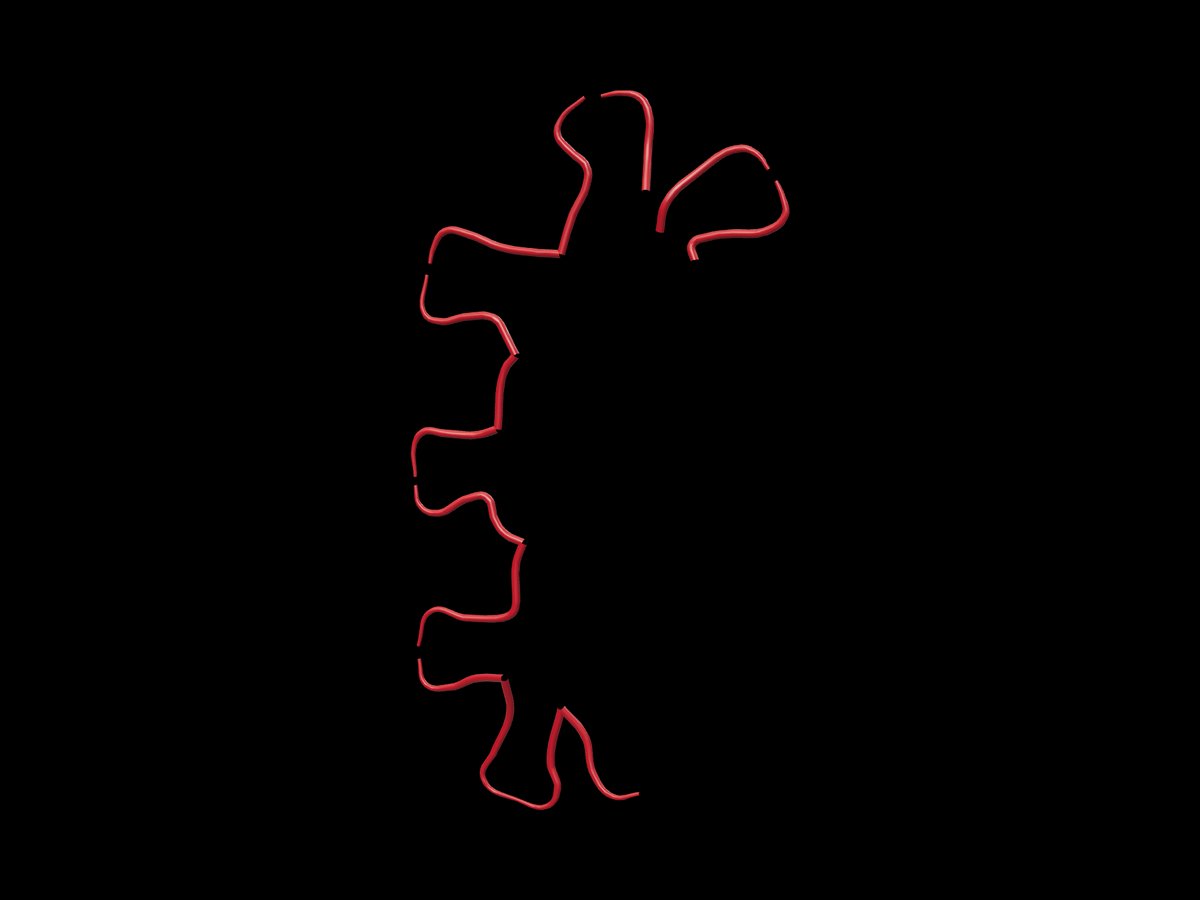
The intrarenal arteries of the right kidney form a branching tree from the segmental arteries down to the tiny arterioles of the filtering units (glomeruli).
Other names: Arteriae intrarenales renis dextri (Latin) · Artères intrarénales du rein droit (French) · Arterias intrarrenales del riñón derecho (Spanish) · Artérias intra-renais do rim direito (Portuguese)
Key facts
- Type
- Intrarenal arterial tree
- Supplies
- Renal cortex and medulla; the kidneys receive about a fifth of the heart's output
- Course
- Segmental arteries give interlobar arteries running between the pyramids, which become arcuate arteries at the junction of cortex and medulla; these give interlobular (cortical radiate) arteries, from which the afferent arterioles enter the glomeruli.
- Function
- Distribute renal blood from the segmental arteries through interlobar, arcuate and interlobular arteries to the afferent arterioles of the glomeruli, where filtration begins.
Clinical notes
- Because these are end arteries, emboli cause wedge-shaped infarcts
- Damage to the small arteries from high blood pressure or diabetes is a major cause of kidney failure
Quick answers
What is the course of the intrarenal arteries of right kidney?
Segmental arteries give interlobar arteries running between the pyramids, which become arcuate arteries at the junction of cortex and medulla; these give interlobular (cortical radiate) arteries, from which the afferent arterioles enter the glomeruli.
What do the intrarenal arteries of right kidney supply?
Renal cortex and medulla; the kidneys receive about a fifth of the heart's output
Notes written for anatmy3d and checked against Gray’s Anatomy, Moore’s Clinically Oriented Anatomy and Netter. Last reviewed .