ArteriesSystemic arteries
Lateral plantar artery
Arteria plantaris lateralis
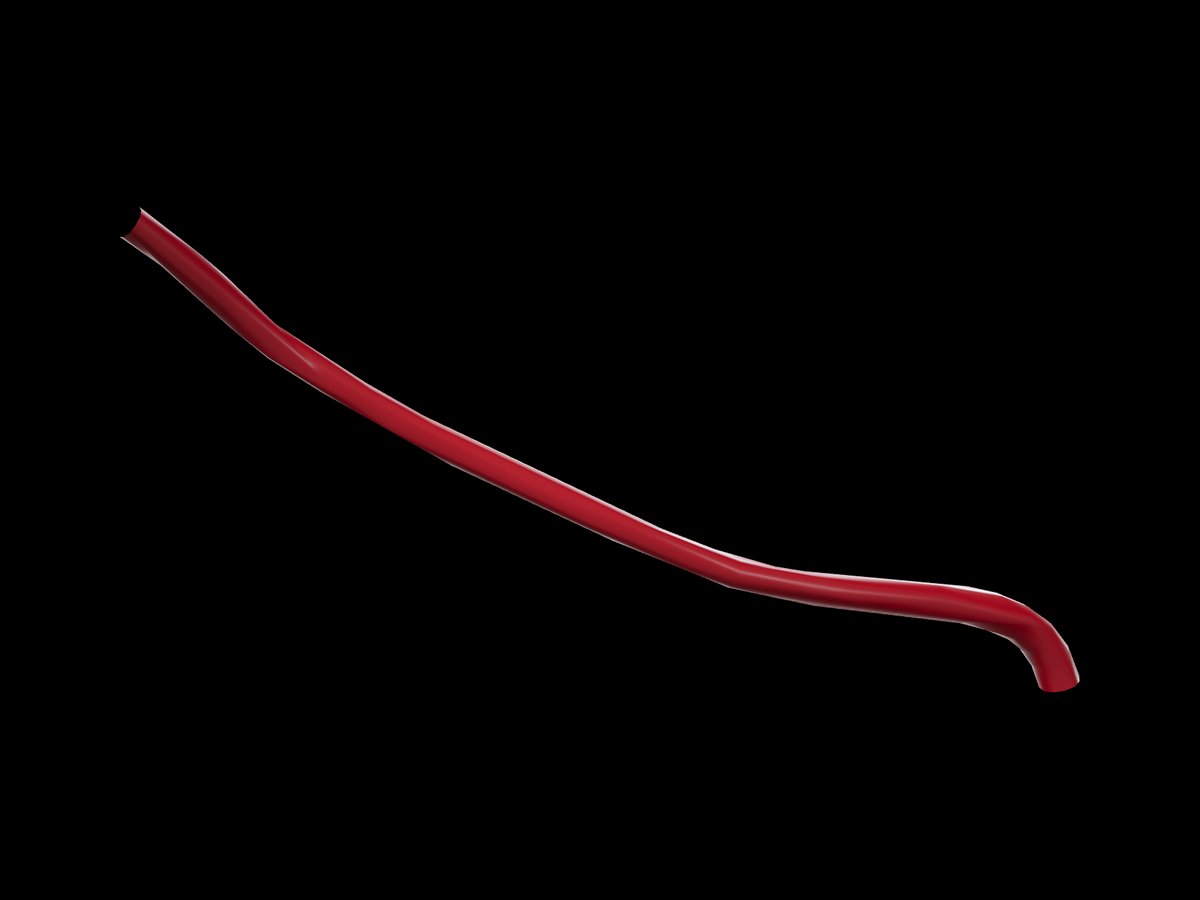
The lateral plantar artery is the larger end branch of the posterior tibial artery. It crosses the sole and curves back to form the plantar arch.
Other names: Arteria plantaris lateralis (Latin) · Artère plantaire latérale (French) · Arteria plantar lateral (Spanish) · Artéria plantar lateral (Portuguese)
Key facts
- Type
- Muscular artery
- Supplies
- Most of the sole, including the deep muscles
- Branches
- Muscular and skin branches, plantar arch
- Course
- Runs forward and outwards between flexor digitorum brevis and quadratus plantae with the lateral plantar nerve to the base of the fifth metatarsal, then curves medially deep in the sole as the plantar arch.
- Function
- Carries oxygen-rich blood across the sole, supplying most of it including the deep muscles, then curves medially deep in the foot as the plantar arch.
Clinical notes
- Deep infections of the sole in diabetes can threaten it and the plantar arch
Quick answers
What is the course of the lateral plantar artery?
Runs forward and outwards between flexor digitorum brevis and quadratus plantae with the lateral plantar nerve to the base of the fifth metatarsal, then curves medially deep in the sole as the plantar arch.
What are the branches of the lateral plantar artery?
Muscular and skin branches, plantar arch
What does the lateral plantar artery supply?
Most of the sole, including the deep muscles
Notes written for anatmy3d and checked against Gray’s Anatomy, Moore’s Clinically Oriented Anatomy and Netter. Last reviewed .