Median nerve
Nervus medianus
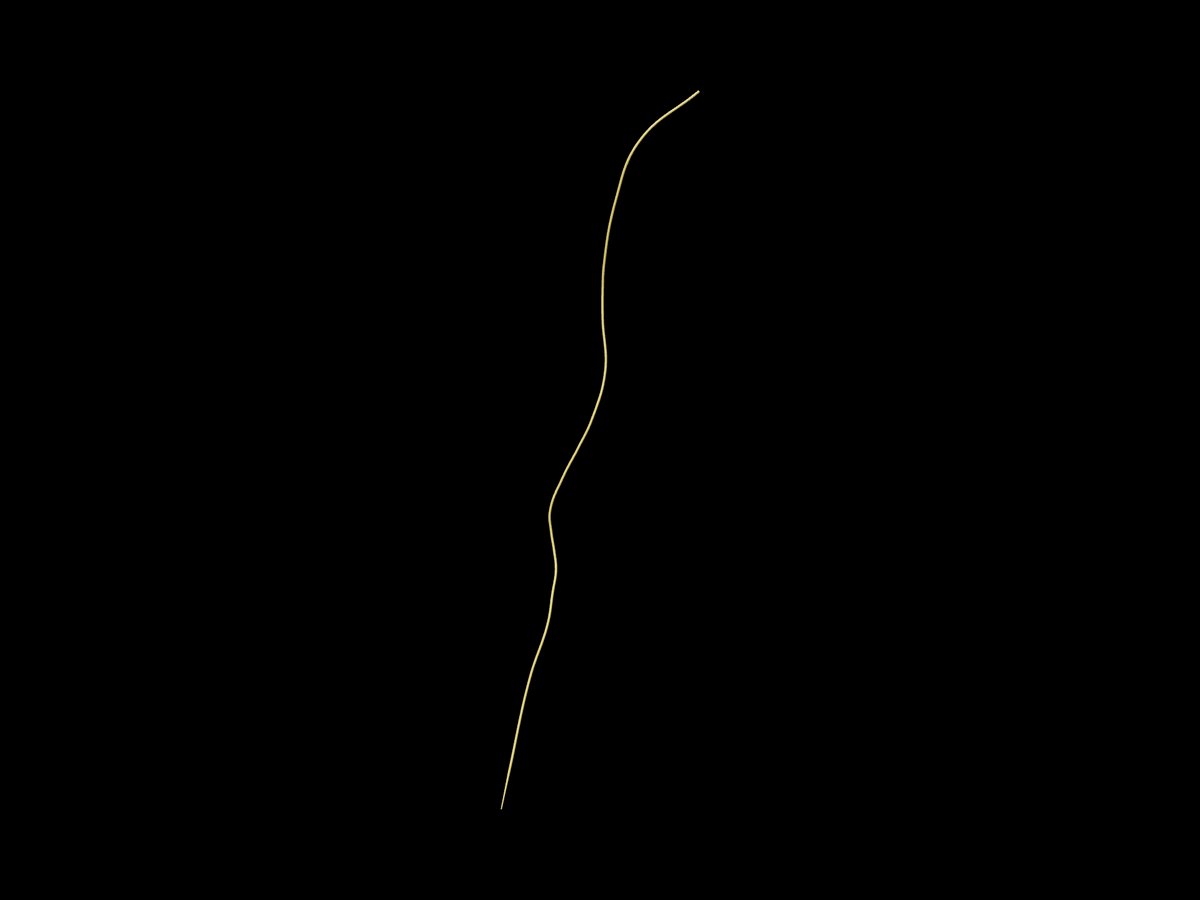
The median nerve supplies most of the flexor muscles of the forearm and the thumb muscles, and carries sensation from the palm side of the thumb, index, middle and half the ring finger. It passes through the carpal tunnel at the wrist.
Other names: Nervus medianus (Latin) · Nerf médian (French) · Nervio mediano (Spanish) · Nervo mediano (Portuguese)
Key facts
- Type
- Branch of the lateral and medial cords (C5–T1)
- Branches
- Muscular branches, anterior interosseous nerve, palmar cutaneous branch, recurrent (thenar) branch, common and proper palmar digital nerves
- Course
- Formed by roots from the lateral and medial cords in front of the axillary artery, descends beside the brachial artery (crossing from its outer to inner side), passes between the heads of pronator teres, runs down under flexor digitorum superficialis and enters the hand through the carpal tunnel.
- Function
- Forearm pronation and wrist and finger flexion; thumb opposition; precise grip; sensation of the lateral palm and fingers.
Clinical notes
- Compression in the carpal tunnel (carpal tunnel syndrome) causes night-time tingling of the thumb, index and middle fingers and, later, thenar wasting
- Damage above the elbow causes the "hand of benediction" when trying to make a fist
Quick answers
What is the course of the median nerve?
Formed by roots from the lateral and medial cords in front of the axillary artery, descends beside the brachial artery (crossing from its outer to inner side), passes between the heads of pronator teres, runs down under flexor digitorum superficialis and enters the hand through the carpal tunnel.
What does the median nerve do?
Forearm pronation and wrist and finger flexion; thumb opposition; precise grip; sensation of the lateral palm and fingers.
What are the branches of the median nerve?
Muscular branches, anterior interosseous nerve, palmar cutaneous branch, recurrent (thenar) branch, common and proper palmar digital nerves
Notes written for anatmy3d and checked against Gray’s Anatomy, Moore’s Clinically Oriented Anatomy and Netter. Last reviewed .