Joints and ligamentsIntervertebral symphysis
Nucleus pulposus C4-C5
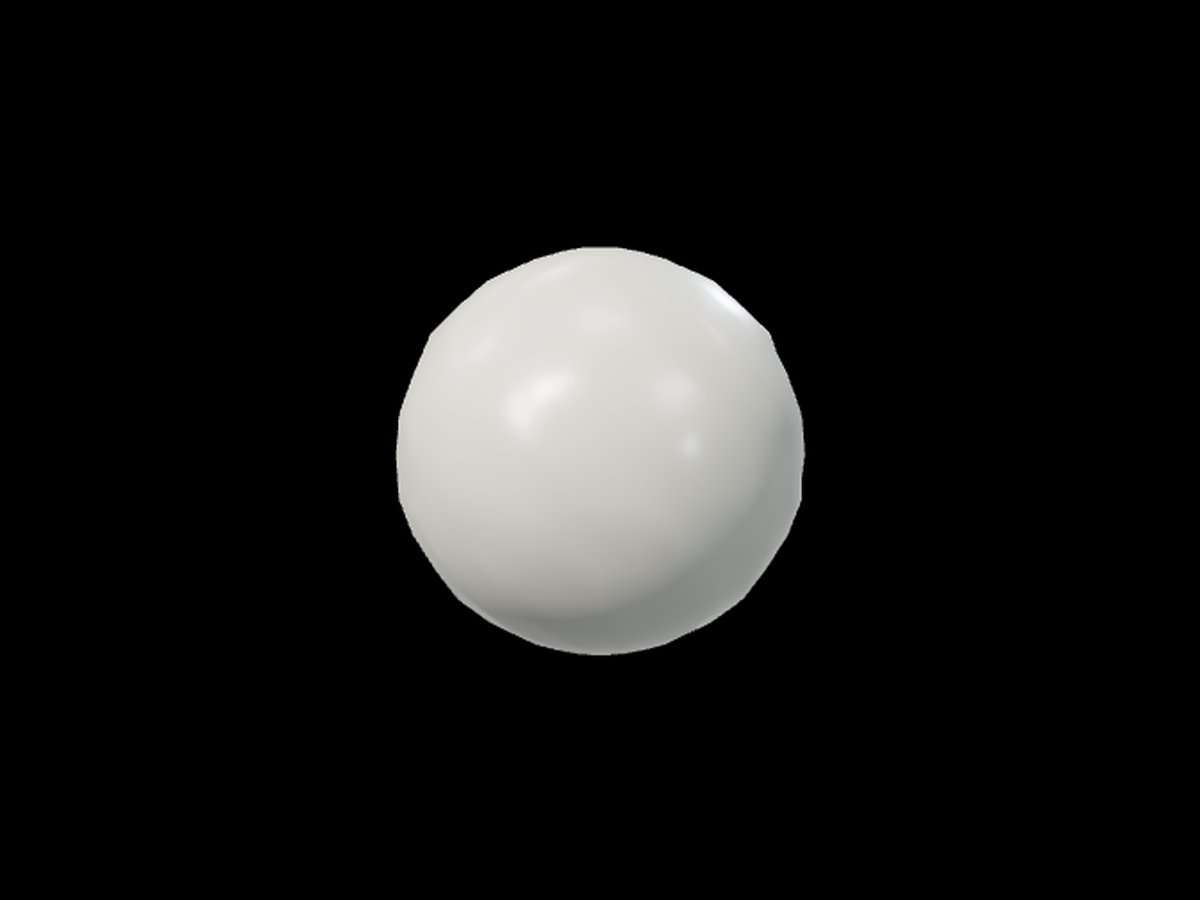
The nucleus pulposus of the C4–C5 disc is its soft, gel-like centre. Under load it spreads pressure evenly onto the surrounding annulus fibrosus, like a water cushion.
Other names: Noyau pulpeux C4-C5 (French) · Núcleo pulposo C4-C5 (Spanish, Portuguese)
Key facts
- Type
- Gelatinous core of an intervertebral disc, developed from the embryonic notochord
- Function
- In the neck the nucleus is small and becomes more fibrous from early adulthood, so in older people nerve and cord problems come more often from bony spurs than from soft herniations.
Location and relations
Centre of the C4–C5 disc, slightly towards the back, enclosed by the annulus fibrosus and the end plates.
Parts and features
Water-binding proteoglycans (mainly aggrecan) in a loose network of type II collagen; its water content falls with age
Clinical notes
- Prolapse may irritate the C5 root (deltoid weakness and outer-arm numbness)
- When the annulus tears, nucleus material can bulge or escape (disc herniation or "slipped disc")
Quick answers
Where is the nucleus pulposus C4-C5 located?
Centre of the C4–C5 disc, slightly towards the back, enclosed by the annulus fibrosus and the end plates.
What does the nucleus pulposus C4-C5 do?
In the neck the nucleus is small and becomes more fibrous from early adulthood, so in older people nerve and cord problems come more often from bony spurs than from soft herniations.
Notes written for anatmy3d and checked against Gray’s Anatomy, Moore’s Clinically Oriented Anatomy and Netter. Last reviewed .