Joints and ligamentsIntervertebral symphysis
Nucleus pulposus T6-T7
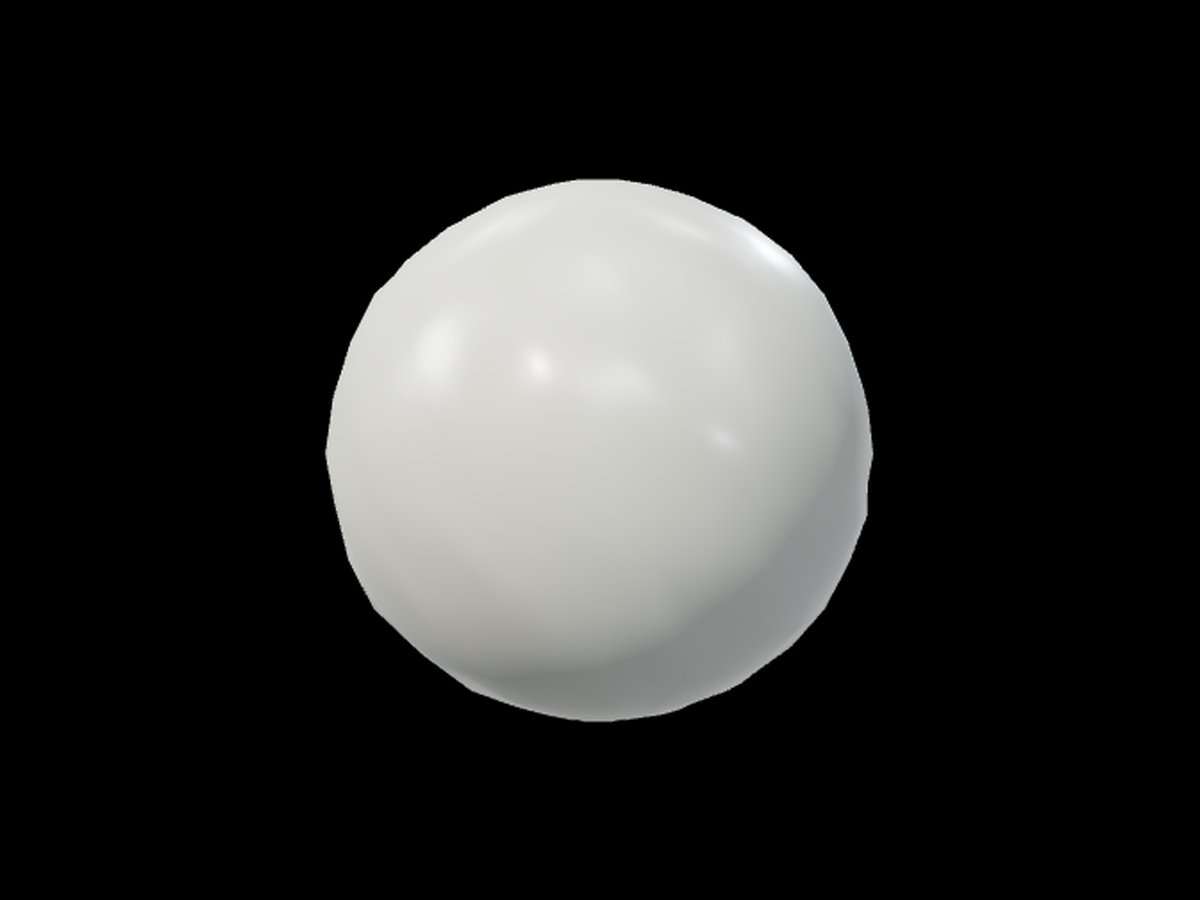
The nucleus pulposus of the T6–T7 disc is its soft, gel-like centre. Under load it spreads pressure evenly onto the surrounding annulus fibrosus, like a water cushion.
Other names: Noyau pulpeux T6-T7 (French) · Núcleo pulposo T6-T7 (Spanish, Portuguese)
Key facts
- Type
- Gelatinous core of an intervertebral disc, developed from the embryonic notochord
- Function
- Thoracic nuclei are small and move little because the rib cage stiffens the spine; they sometimes calcify.
Location and relations
Centre of the T6–T7 disc, slightly towards the back, enclosed by the annulus fibrosus and the end plates.
Parts and features
Water-binding proteoglycans (mainly aggrecan) in a loose network of type II collagen; its water content falls with age
Clinical notes
- Schmorl's nodes, where the nucleus pushes into the vertebral body, are common in the mid and lower thoracic spine
Quick answers
Where is the nucleus pulposus T6-T7 located?
Centre of the T6–T7 disc, slightly towards the back, enclosed by the annulus fibrosus and the end plates.
What does the nucleus pulposus T6-T7 do?
Thoracic nuclei are small and move little because the rib cage stiffens the spine; they sometimes calcify.
Notes written for anatmy3d and checked against Gray’s Anatomy, Moore’s Clinically Oriented Anatomy and Netter. Last reviewed .