Oblique head of adductor hallucis
Caput obliquum adductoris hallucis
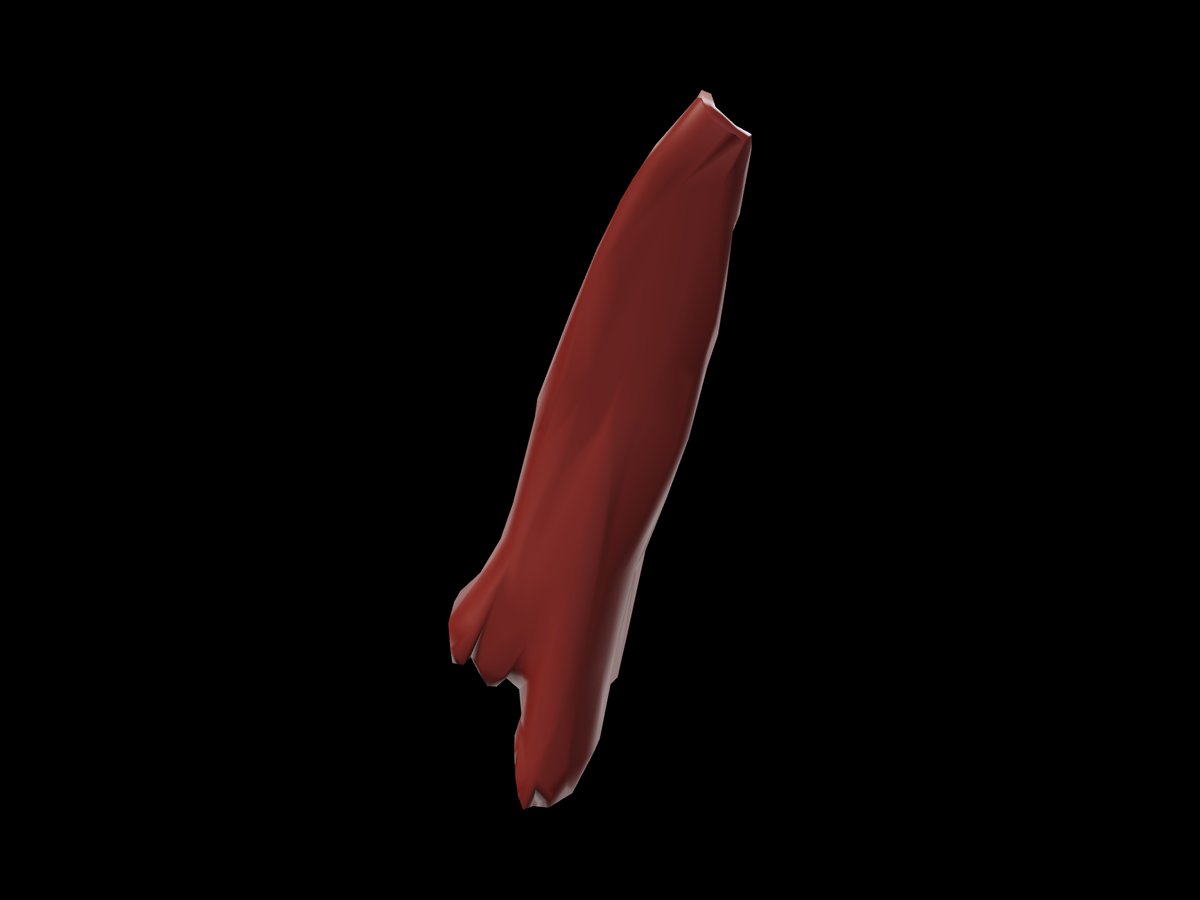
The oblique head of adductor hallucis is a thick muscle running from the bases of the second to fourth metatarsals to the lateral sesamoid of the great toe.
Other names: Caput obliquum adductoris hallucis (Latin) · Chef oblique de l'adducteur de l'hallux (French) · Cabeza oblicua del aductor del hállux (Spanish) · Cabeça oblíqua do adutor do hálux (Portuguese)
The same notes are on the main page: Oblique head of adductor hallucis (Muscles).
Key facts
- Origin
- Bases of the 2nd–4th metatarsals
- Insertion
- Lateral side of the base of the proximal phalanx of the great toe (lateral sesamoid)
- Action
- Adducts the great toe; supports the transverse arch
- Nerve supply
- Deep branch of the lateral plantar nerve (S2–S3)
- Arterial supply
- Plantar arch and plantar metatarsal arteries
- Function
- Adducts the great toe towards the second toe; supports the transverse arch.
Location and relations
Third layer of the sole, deep in the forefoot.
Clinical notes
- Its pull contributes to hallux valgus; it is released in some bunion operations
Quick answers
What are the origin and insertion of the oblique head of adductor hallucis?
Origin: Bases of the 2nd–4th metatarsals. Insertion: Lateral side of the base of the proximal phalanx of the great toe (lateral sesamoid).
What does the oblique head of adductor hallucis do?
Adducts the great toe; supports the transverse arch
What is the nerve supply of the oblique head of adductor hallucis?
Deep branch of the lateral plantar nerve (S2–S3)
What is the blood supply of the oblique head of adductor hallucis?
Plantar arch and plantar metatarsal arteries
Where is the oblique head of adductor hallucis located?
Third layer of the sole, deep in the forefoot.
Notes written for anatmy3d and checked against Gray’s Anatomy, Moore’s Clinically Oriented Anatomy and Netter. Last reviewed .