NervesBranches of the anterior part of the lumbar plexus
Obturator nerve
Nervus obturatorius
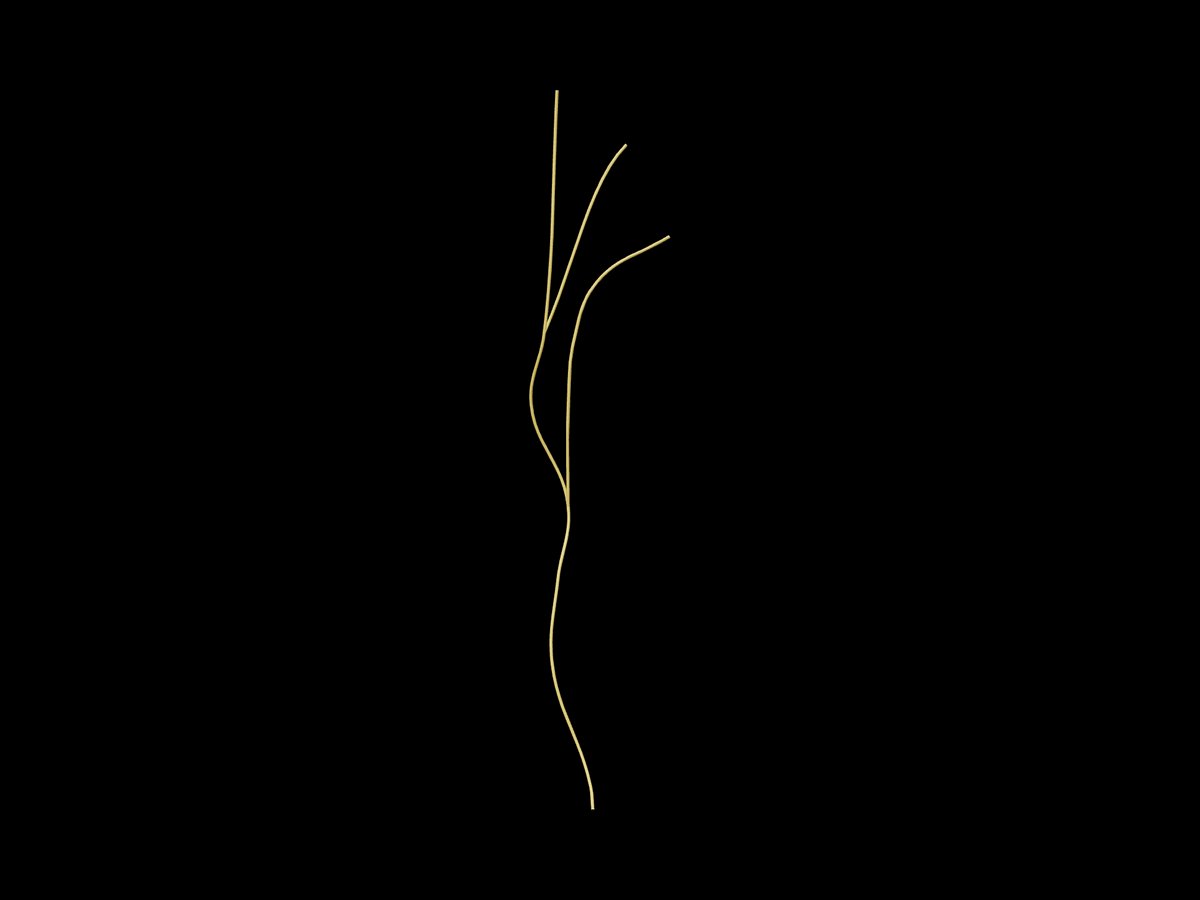
The obturator nerve supplies the adductor muscles of the inner thigh. It leaves the pelvis through the obturator canal.
Other names: Nervus obturatorius (Latin) · Nerf obturateur (French) · Nervio obturador (Spanish) · Nervo obturador (Portuguese)
Key facts
- Type
- Branch of the lumbar plexus (L2–L4)
- Branches
- Anterior and posterior branches; branches to the hip and knee joints
- Course
- Emerges from the inner border of psoas, runs along the side wall of the pelvis and passes through the obturator canal into the thigh, dividing into anterior and posterior branches around adductor brevis.
- Function
- Adduction of the thigh; sensation of the skin of the inner thigh.
Clinical notes
- Can be injured in pelvic surgery or by childbirth, causing weakness bringing the leg inwards and an unsteady gait
- Hip pain referred to the knee travels partly through this nerve
- An obturator hernia presses on it, causing pain down the inner thigh
Quick answers
What is the course of the obturator nerve?
Emerges from the inner border of psoas, runs along the side wall of the pelvis and passes through the obturator canal into the thigh, dividing into anterior and posterior branches around adductor brevis.
What does the obturator nerve do?
Adduction of the thigh; sensation of the skin of the inner thigh.
What are the branches of the obturator nerve?
Anterior and posterior branches; branches to the hip and knee joints
Notes written for anatmy3d and checked against Gray’s Anatomy, Moore’s Clinically Oriented Anatomy and Netter. Last reviewed .