Lymphatic systemPharyngeal lymphoid ring
Palatine tonsil
Tonsilla palatina
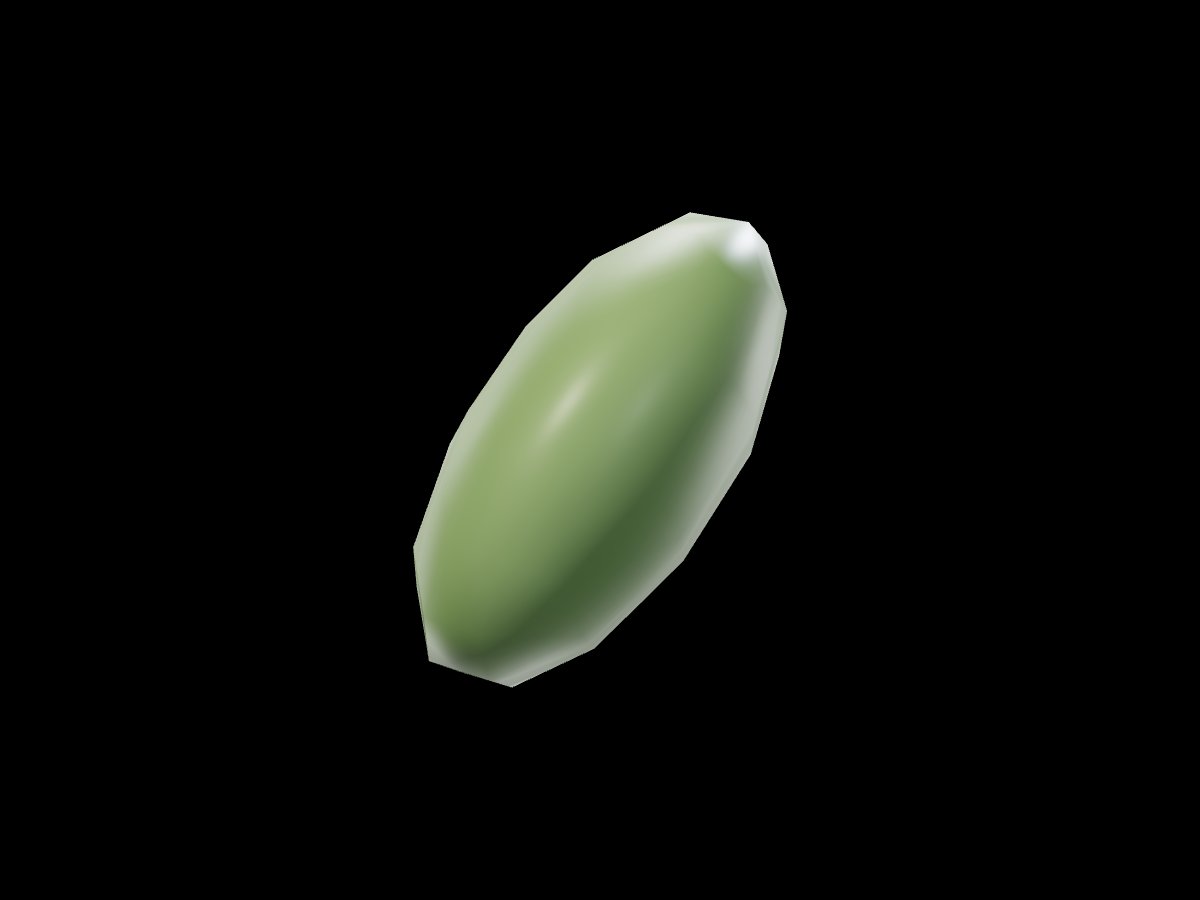
The palatine tonsils are two masses of lymphoid tissue at the back of the mouth, on each side of the throat. They help fight infection entering through the mouth.
Other names: Tonsilla palatina (Latin) · Tonsille palatine (French) · Tonsila palatina (Spanish) · Amígdala palatina (Portuguese)
Key facts
- Type
- Lymphoid organ (part of Waldeyer's ring)
- Nerve supply
- Glossopharyngeal nerve (so tonsil pain is often felt in the ear)
- Arterial supply
- Tonsillar branch of the facial artery (main), with other small arteries
- Function
- Samples swallowed and inhaled microbes and helps start immune responses; largest in childhood, shrinking with age.
Location and relations
In the tonsillar fossa on each side of the oropharynx, between the palatoglossal (front) and palatopharyngeal (back) arches.
Parts and features
- Surface lining with deep pits (crypts)
- Lymphoid follicles
- Capsule separating it from the superior constrictor muscle
Clinical notes
- Tonsillitis causes sore throat, fever and swollen neck nodes
- A collection of pus beside the tonsil (quinsy) causes severe one-sided pain, trismus and a muffled voice
- Bleeding after tonsillectomy usually comes from the paratonsillar vein or tonsillar artery
- Cancer of the tonsil is increasingly linked to HPV infection
Quick answers
Where is the palatine tonsil located?
In the tonsillar fossa on each side of the oropharynx, between the palatoglossal (front) and palatopharyngeal (back) arches.
What does the palatine tonsil do?
Samples swallowed and inhaled microbes and helps start immune responses; largest in childhood, shrinking with age.
Notes written for anatmy3d and checked against Gray’s Anatomy, Moore’s Clinically Oriented Anatomy and Netter. Last reviewed .