ArteriesSystemic arteries
Perforating femoral arteries
Arteriae perforantes femoris
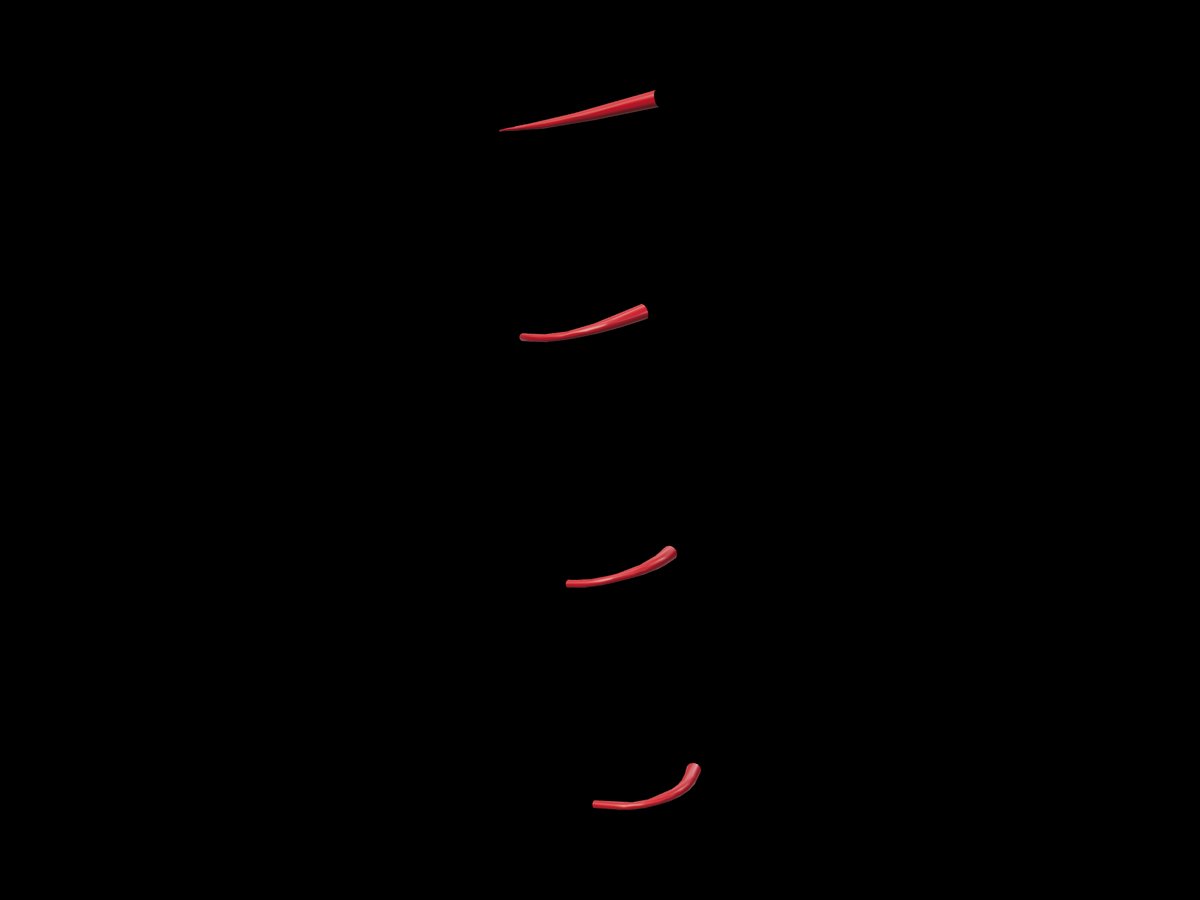
The perforating arteries are usually three or four branches of the deep femoral artery that pierce the adductor magnus near the femur to reach the back of the thigh.
Other names: Arteriae perforantes femoris (Latin) · Artères fémorales perforantes (French) · Arterias femorales perforantes (Spanish) · Artérias femorais perfurantes (Portuguese)
Key facts
- Type
- Muscular arteries
- Supplies
- Hamstrings, adductor magnus, vastus lateralis, the femur (nutrient arteries) and the skin of the back of the thigh
- Course
- Arise in turn from the deep femoral artery, pass back through the adductor muscles close to the linea aspera and wind laterally around the femur.
- Function
- Carry oxygen-rich blood through adductor magnus to the hamstrings, the back of the thigh and the femur, linking above with the inferior gluteal and below with the popliteal artery.
Clinical notes
- They link with the inferior gluteal and popliteal arteries, forming a chain of backup routes down the thigh
Quick answers
What is the course of the perforating femoral arteries?
Arise in turn from the deep femoral artery, pass back through the adductor muscles close to the linea aspera and wind laterally around the femur.
What do the perforating femoral arteries supply?
Hamstrings, adductor magnus, vastus lateralis, the femur (nutrient arteries) and the skin of the back of the thigh
Notes written for anatmy3d and checked against Gray’s Anatomy, Moore’s Clinically Oriented Anatomy and Netter. Last reviewed .