Joints and ligamentsMetatarsophalangeal joints
Plantar metatarsophalangeal ligaments
Ligamenta metatarsophalangea plantaria
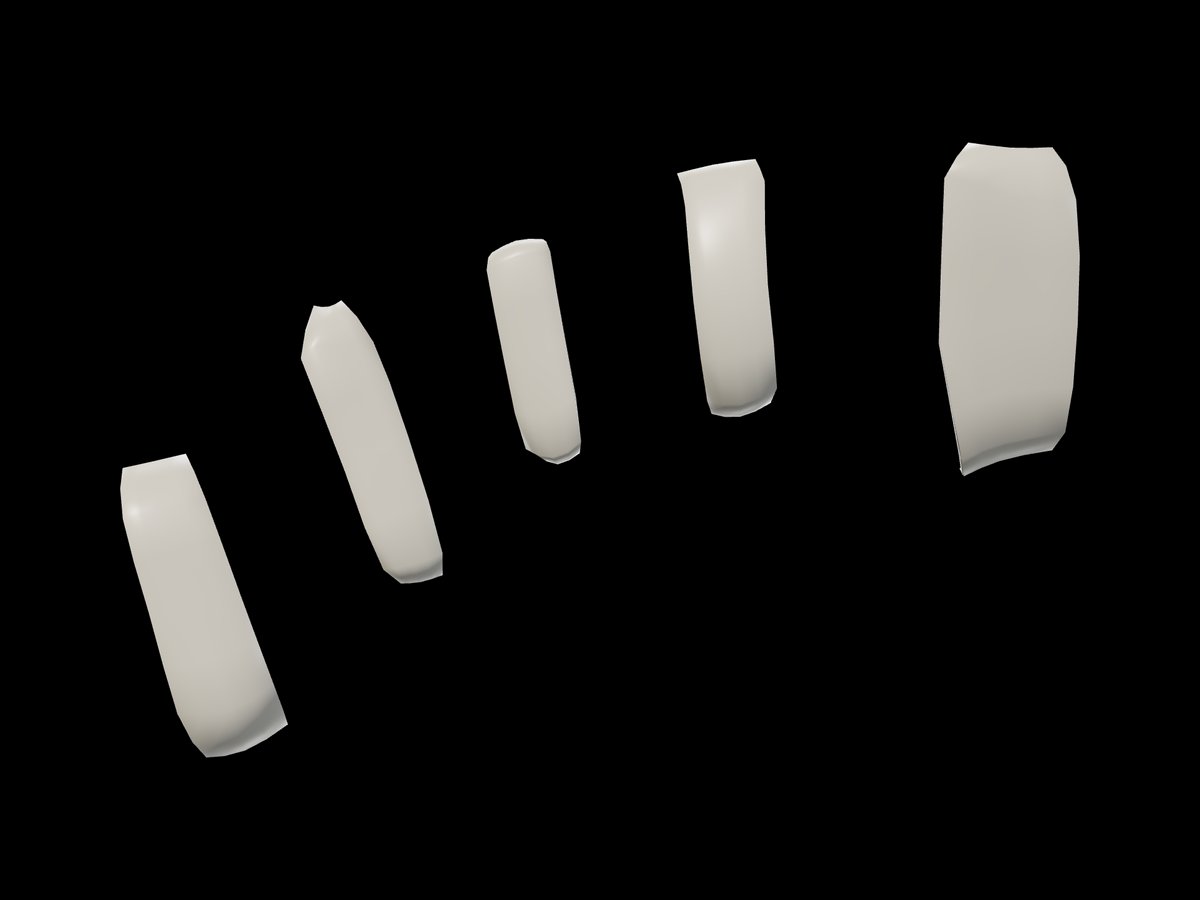
The plantar ligaments (plantar plates) of the metatarsophalangeal joints are thick fibrocartilage plates on the underside of the toe joints at the ball of the foot.
Other names: Ligamenta metatarsophalangea plantaria (Latin) · Ligaments métatarsophalangiens plantaires (French) · Ligamentos metatarsofalángicos plantares (Spanish) · Ligamentos metatarsofalangeanos plantares (Portuguese)
Key facts
- Type
- Plantar plates
- Function
- Prevent the toes bending too far upwards and cushion the metatarsal heads.
Location and relations
Beneath each metatarsophalangeal joint, forming a groove for the long flexor tendons; at the big toe they contain the sesamoid bones.
Clinical notes
- Plantar plate tears, especially of the second toe, cause pain under the ball of the foot and drifting of the toe
- Tears at the big toe are called turf toe
Quick answers
Where are the plantar metatarsophalangeal ligaments located?
Beneath each metatarsophalangeal joint, forming a groove for the long flexor tendons; at the big toe they contain the sesamoid bones.
What do the plantar metatarsophalangeal ligaments do?
Prevent the toes bending too far upwards and cushion the metatarsal heads.
Notes written for anatmy3d and checked against Gray’s Anatomy, Moore’s Clinically Oriented Anatomy and Netter. Last reviewed .