Brain and spinal cordLateral funiculus
Posterior spinocerebellar tract
Tractus spinocerebellaris posterior
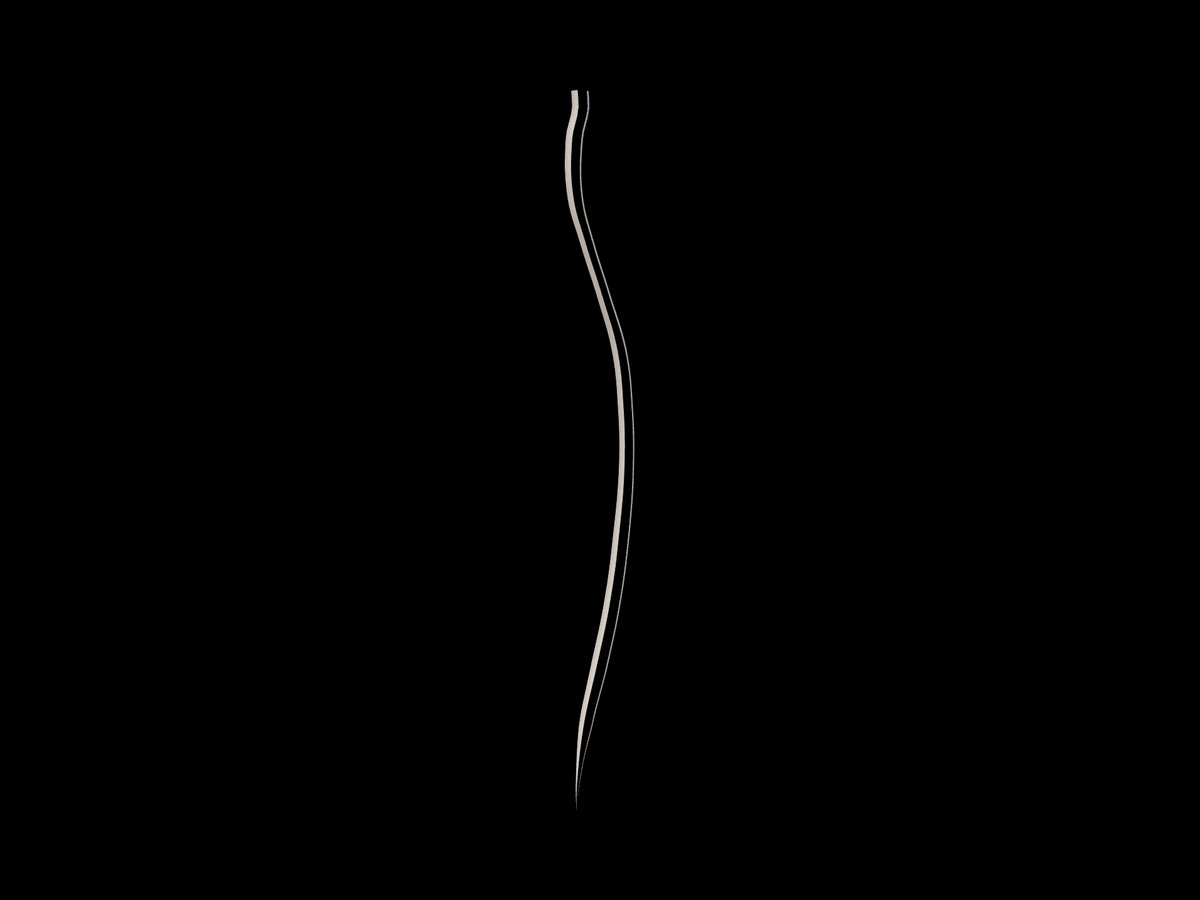
The posterior spinocerebellar tract carries unconscious position sense from the legs and lower trunk to the cerebellum on the same side.
Other names: Tractus spinocerebellaris posterior (Latin) · Tractus spinocérébelleux postérieur (French) · Tracto espinocerebeloso posterior (Spanish) · Trato espinocerebelar posterior (Portuguese)
Key facts
- Type
- Ascending tract (spinocerebellar)
- Function
- Arises from the thoracic nucleus (Clarke column, C8–L2) and enters the cerebellum through the inferior cerebellar peduncle, reporting muscle and joint information.
Location and relations
Back of the lateral funiculus near the surface, from the upper lumbar cord upwards.
Clinical notes
- Loss of this and other pathways causes unsteady, uncoordinated walking (sensory and cerebellar ataxia)
Quick answers
Where is the posterior spinocerebellar tract located?
Back of the lateral funiculus near the surface, from the upper lumbar cord upwards.
What does the posterior spinocerebellar tract do?
Arises from the thoracic nucleus (Clarke column, C8–L2) and enters the cerebellum through the inferior cerebellar peduncle, reporting muscle and joint information.
Notes written for anatmy3d and checked against Gray’s Anatomy, Moore’s Clinically Oriented Anatomy and Netter. Last reviewed .