Joints and ligamentsFibrous joints of the pelvic girdle
Sacrotuberous ligament
Ligamentum sacrotuberale
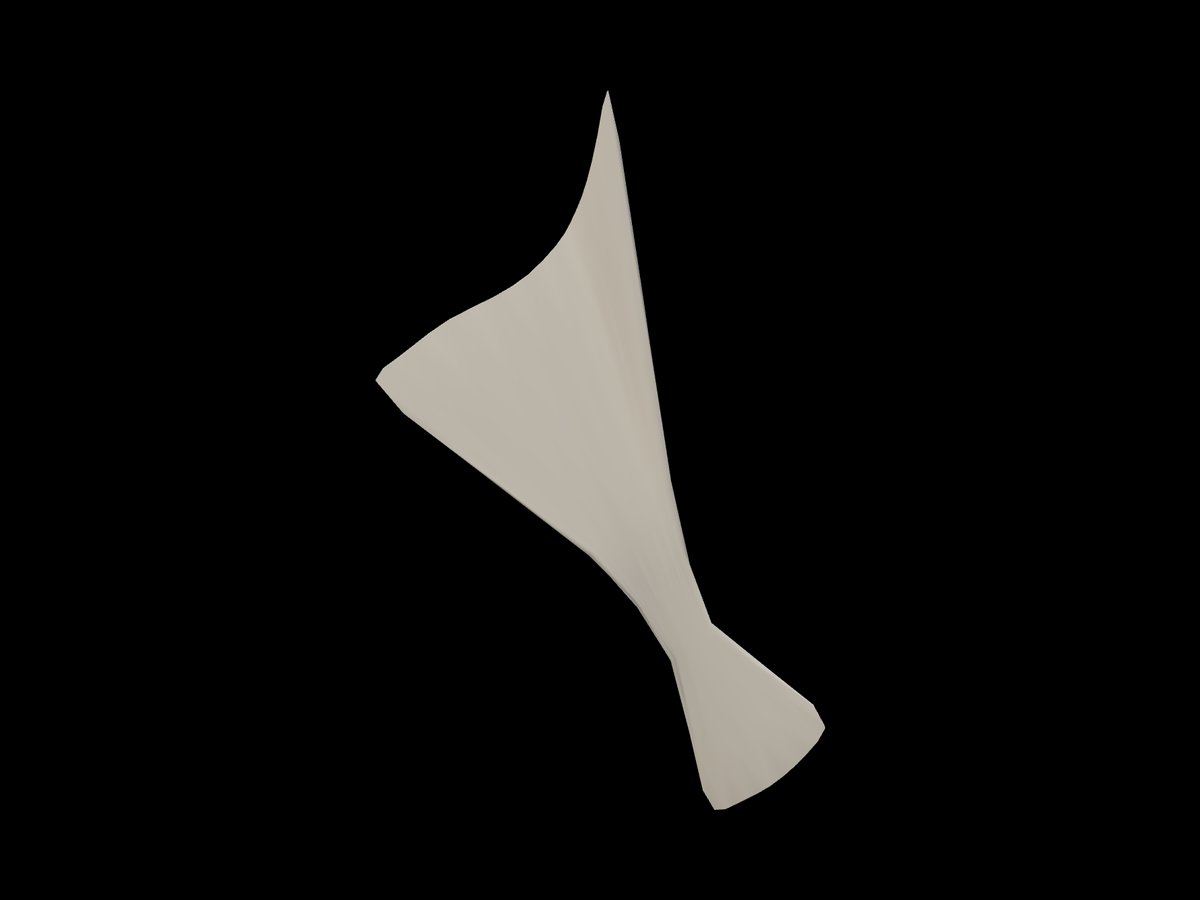
The sacrotuberous ligament is a long, fan-shaped band from the side of the sacrum and coccyx to the ischial tuberosity. With the sacrospinous ligament it turns the sciatic notches into the greater and lesser sciatic foramina.
Other names: Ligamentum sacrotuberale (Latin) · Ligament sacrotubéral (French) · Ligamento sacrotuberoso (Spanish, Portuguese)
Key facts
- Type
- Accessory ligament of the sacro-iliac joint
- Function
- Resists forward tipping of the upper sacrum (nutation) under body weight; gives origin to part of gluteus maximus and sometimes to the long head of biceps femoris.
Location and relations
Back of the pelvis, deep to gluteus maximus, from the posterior iliac spines, sacrum and coccyx to the medial ischial tuberosity.
Clinical notes
- The pudendal nerve can be trapped between the sacrotuberous and sacrospinous ligaments, causing pudendal neuralgia (perineal pain worse on sitting)
- It is pierced by the perforating cutaneous nerve
Quick answers
Where is the sacrotuberous ligament located?
Back of the pelvis, deep to gluteus maximus, from the posterior iliac spines, sacrum and coccyx to the medial ischial tuberosity.
What does the sacrotuberous ligament do?
Resists forward tipping of the upper sacrum (nutation) under body weight; gives origin to part of gluteus maximus and sometimes to the long head of biceps femoris.
Notes written for anatmy3d and checked against Gray’s Anatomy, Moore’s Clinically Oriented Anatomy and Netter. Last reviewed .