Soleus muscle
Musculus soleus
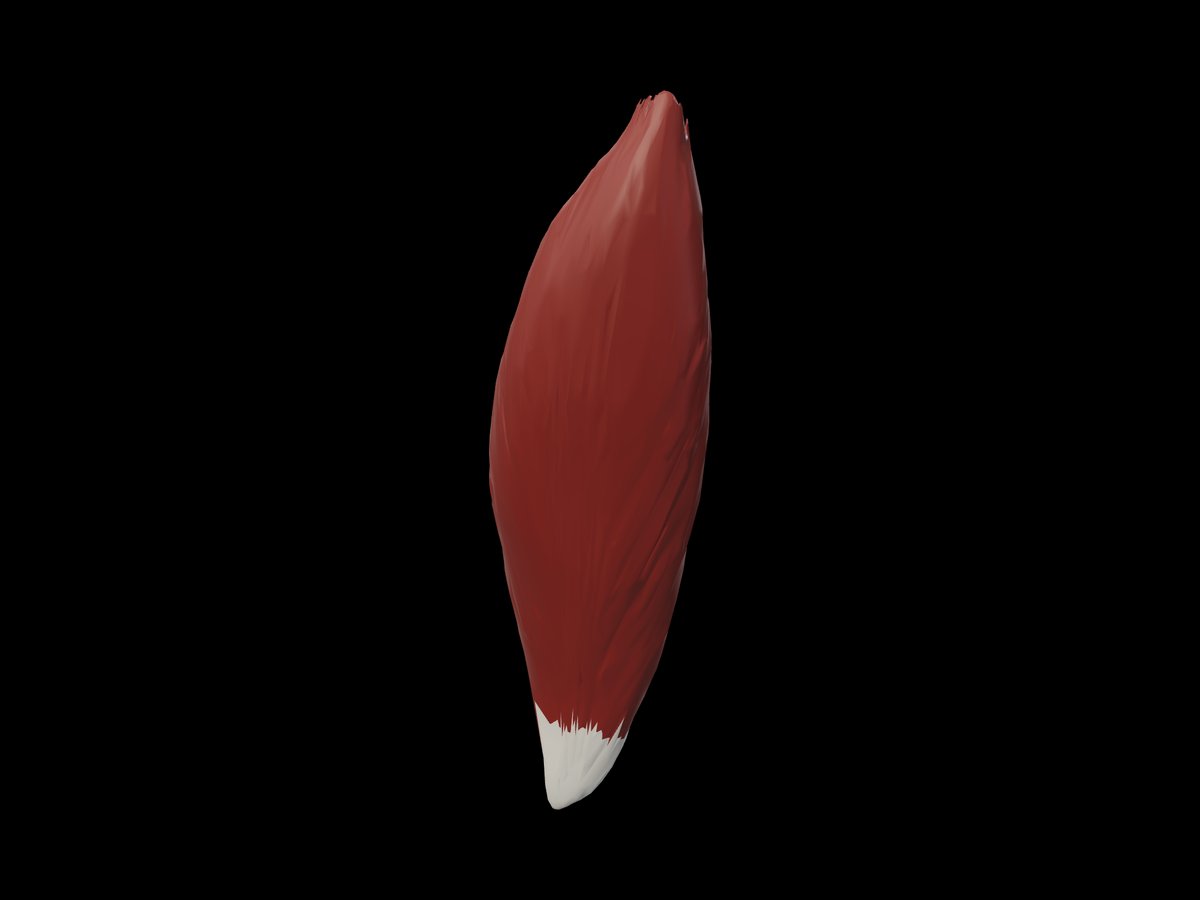
Soleus is a broad, flat muscle deep to gastrocnemius. It is a postural muscle that keeps the body from falling forwards when standing, and its veins act as a "second heart" pumping blood back from the legs.
Other names: Musculus soleus (Latin) · Muscle soléaire (French) · Músculo sóleo (Spanish, Portuguese)
The same notes are on the main page: Soleus muscle (Muscles).
Key facts
- Origin
- Posterior head and upper quarter of the fibula; soleal line and medial border of the tibia; tendinous arch between them
- Insertion
- Posterior calcaneus via the calcaneal tendon
- Action
- Plantar flexes the ankle; steadies the leg over the foot in standing
- Nerve supply
- Tibial nerve (S1–S2)
- Arterial supply
- Posterior tibial, fibular and sural arteries
- Function
- Plantarflexes the ankle; active continuously in standing; its contractions pump venous blood upwards (calf muscle pump).
Location and relations
Deep calf, from the back of the tibia (soleal line) and fibula; it joins gastrocnemius in the calcaneal tendon.
Surface anatomy
Seen on each side of the lower gastrocnemius when standing on tiptoe.
Clinical notes
- Deep vein thrombosis often starts in the soleal venous sinuses, especially during immobility
- Accessory soleus muscle can present as a lump at the ankle
Quick answers
What are the origin and insertion of the soleus muscle?
Origin: Posterior head and upper quarter of the fibula; soleal line and medial border of the tibia; tendinous arch between them. Insertion: Posterior calcaneus via the calcaneal tendon.
What does the soleus muscle do?
Plantar flexes the ankle; steadies the leg over the foot in standing
What is the nerve supply of the soleus muscle?
Tibial nerve (S1–S2)
What is the blood supply of the soleus muscle?
Posterior tibial, fibular and sural arteries
Where is the soleus muscle located?
Deep calf, from the back of the tibia (soleal line) and fibula; it joins gastrocnemius in the calcaneal tendon.
Notes written for anatmy3d and checked against Gray’s Anatomy, Moore’s Clinically Oriented Anatomy and Netter. Last reviewed .