Lymphatic systemSecondary lymphoid organs
Spleen
Lien
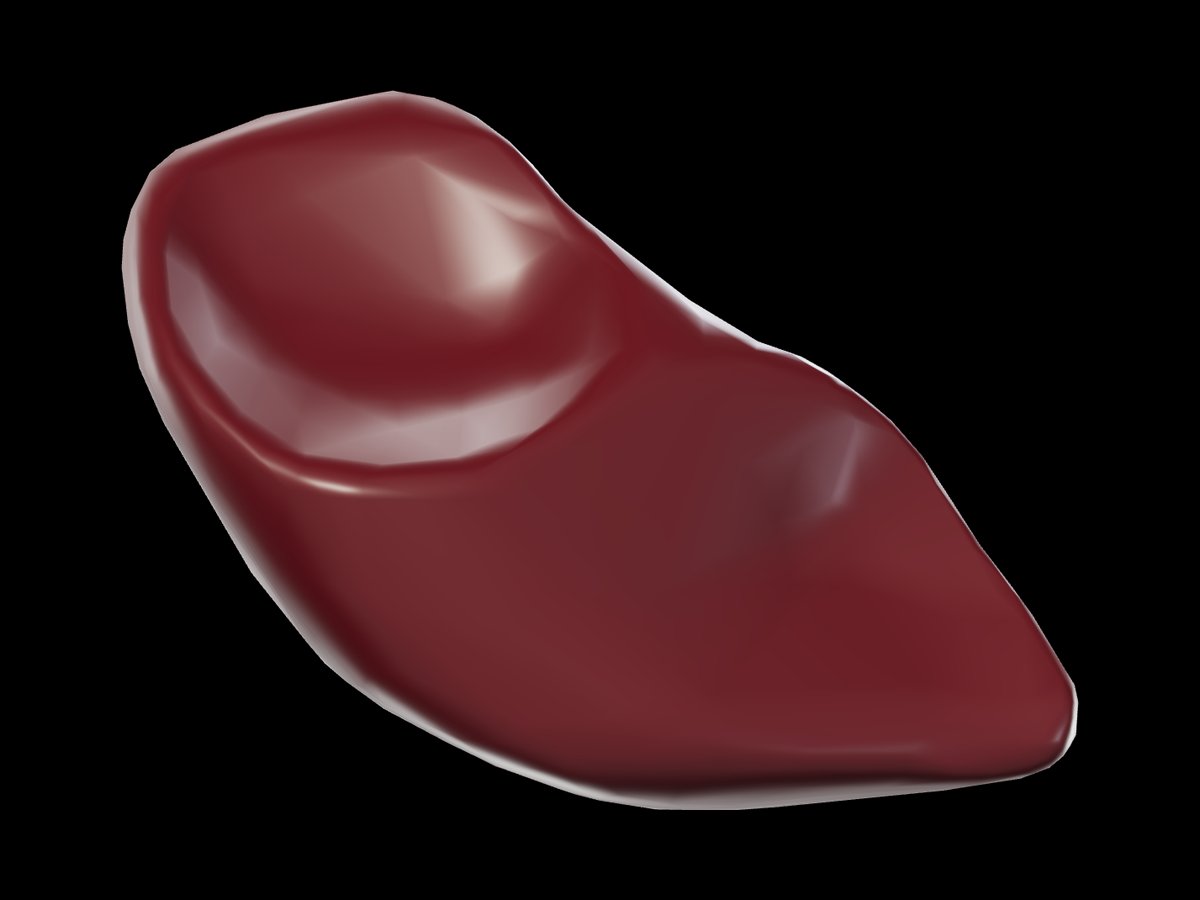
The spleen is the largest lymphoid organ. It filters the blood, removing old red blood cells and bacteria, and helps the immune system respond to blood-borne infections.
Other names: Lien (Latin) · Rate (French) · Bazo (Spanish) · Baço (Portuguese)
Key facts
- Type
- Secondary lymphoid organ
- Arterial supply
- Splenic artery
- Function
- Filters blood, recycles iron, stores platelets and immune cells, and makes antibodies, especially against encapsulated bacteria.
Location and relations
Left upper abdomen under the 9th to 11th ribs, behind the stomach, above the left kidney and the splenic flexure; it is normally not felt below the ribs.
Parts and features
- Red pulp (filters blood and removes old red cells)
- White pulp (lymphoid tissue around arterioles)
- Hilum with the splenic artery and vein
Clinical notes
- A blow to the lower left ribs can rupture it, causing internal bleeding
- An enlarged spleen can result from infection (for example glandular fever), blood disorders and portal hypertension; people with glandular fever should avoid contact sports
- After removal, vaccines and sometimes antibiotics are needed to prevent overwhelming infection
Quick answers
Where is the spleen located?
Left upper abdomen under the 9th to 11th ribs, behind the stomach, above the left kidney and the splenic flexure; it is normally not felt below the ribs.
What does the spleen do?
Filters blood, recycles iron, stores platelets and immune cells, and makes antibodies, especially against encapsulated bacteria.
Notes written for anatmy3d and checked against Gray’s Anatomy, Moore’s Clinically Oriented Anatomy and Netter. Last reviewed .