Superior gluteal artery
Arteria glutea superior
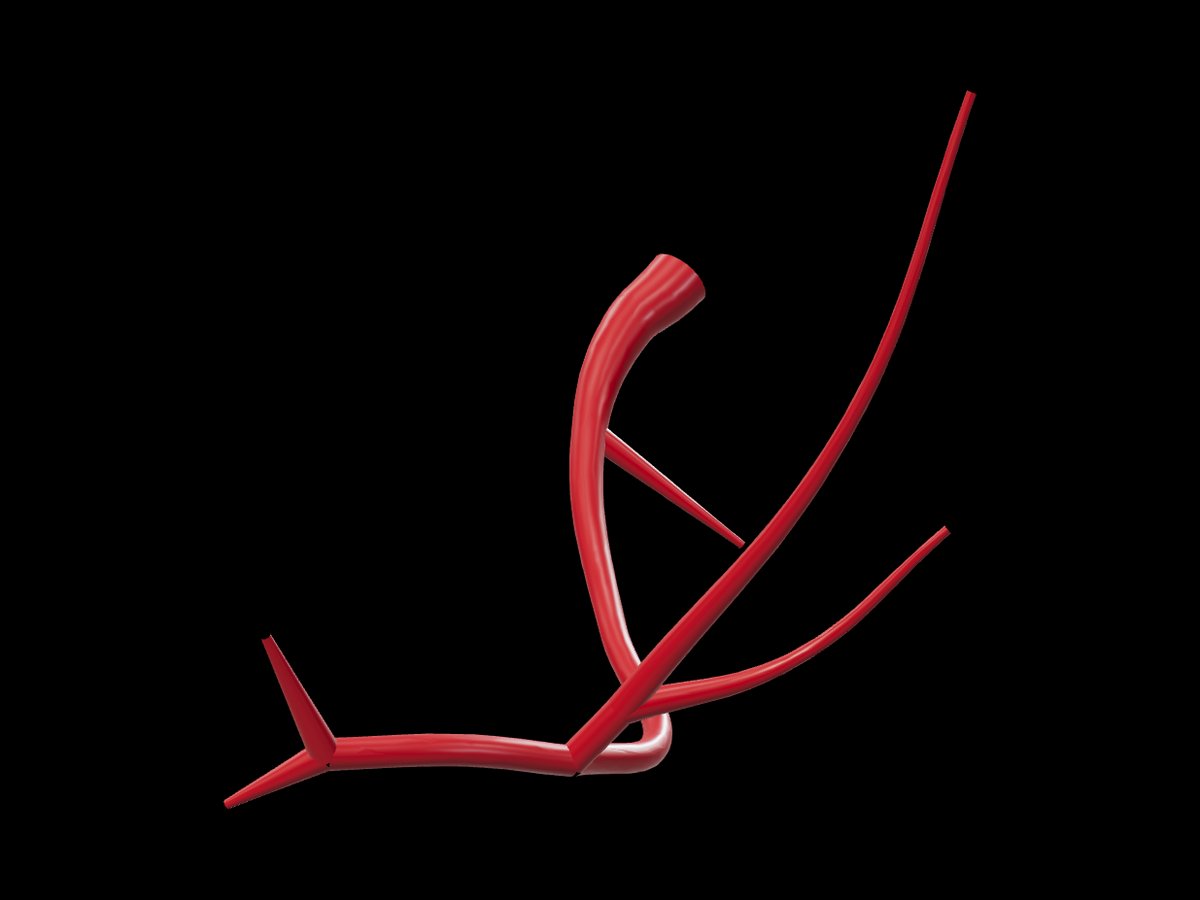
The superior gluteal artery is the largest branch of the internal iliac artery. It leaves the pelvis above piriformis to supply the gluteal muscles.
Other names: Arteria glutea superior (Latin) · Artère glutéale supérieure (French) · Arteria glútea superior (Spanish) · Artéria glútea superior (Portuguese)
Key facts
- Type
- Muscular artery
- Supplies
- Gluteal muscles, hip joint and skin of the upper buttock
- Branches
- Superficial branch (to gluteus maximus), deep branch (to gluteus medius, minimus and tensor fasciae latae)
- Course
- Passes back between the lumbosacral trunk and the first sacral nerve and leaves the pelvis through the greater sciatic foramen above piriformis, with the superior gluteal nerve, dividing into superficial and deep branches.
- Function
- Carries oxygen-rich blood out above piriformis to the gluteal muscles, hip joint and upper buttock skin, through a superficial branch for gluteus maximus and a deep branch for gluteus medius and minimus.
Clinical notes
- Torn in pelvic fractures involving the sciatic notch, causing severe bleeding that may need embolisation
- The superior gluteal artery perforator (SGAP) flap is used for breast reconstruction
Quick answers
What is the course of the superior gluteal artery?
Passes back between the lumbosacral trunk and the first sacral nerve and leaves the pelvis through the greater sciatic foramen above piriformis, with the superior gluteal nerve, dividing into superficial and deep branches.
What are the branches of the superior gluteal artery?
Superficial branch (to gluteus maximus), deep branch (to gluteus medius, minimus and tensor fasciae latae)
What does the superior gluteal artery supply?
Gluteal muscles, hip joint and skin of the upper buttock
Notes written for anatmy3d and checked against Gray’s Anatomy, Moore’s Clinically Oriented Anatomy and Netter. Last reviewed .