Teres major muscle
Musculus teres major
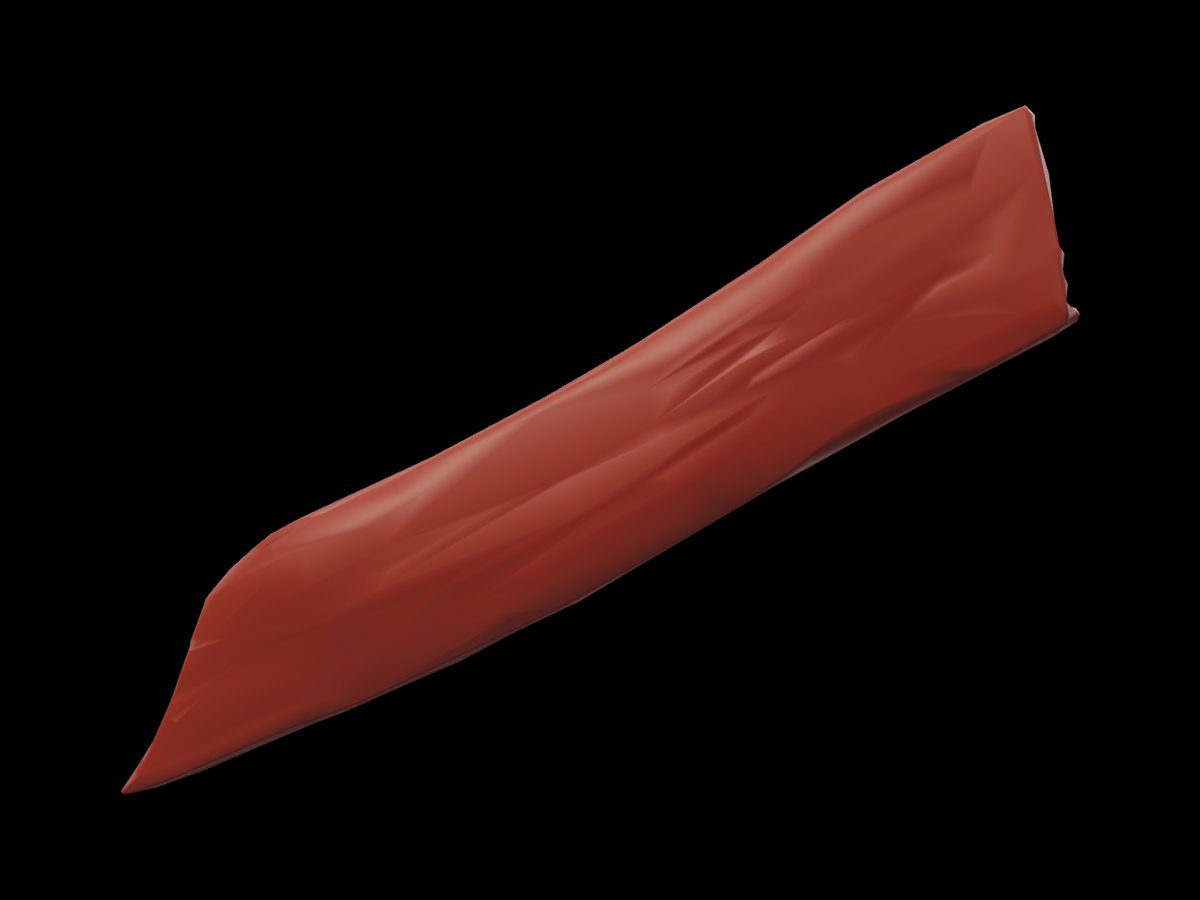
Teres major is a thick, rounded muscle running from the inferior angle of the scapula to the front of the humerus. It works with latissimus dorsi to pull the arm down, back and inwards, and forms part of the posterior wall of the armpit.
Other names: Musculus teres major (Latin) · Muscle grand rond (French) · Músculo redondo mayor (Spanish) · Músculo redondo maior (Portuguese)
Key facts
- Origin
- Posterior surface of the inferior angle of the scapula
- Insertion
- Medial lip of the intertubercular sulcus of the humerus
- Action
- Adducts, medially rotates and extends the arm
- Nerve supply
- Lower subscapular nerve (C5–C6)
- Arterial supply
- Thoracodorsal and circumflex scapular arteries
- Function
- Adducts, extends and medially rotates the arm, as in rowing, climbing and swimming strokes. Teres major is called latissimus dorsi's "little helper" because the two act together.
Location and relations
Lies along the lower lateral border of the scapula; it forms the lower boundary of the quadrangular and triangular spaces and the upper boundary of the triangular interval.
Surface anatomy
Felt as part of the posterior fold of the armpit near the inferior angle of the scapula.
Clinical notes
- The radial nerve and profunda brachii artery pass below its lower border through the triangular interval
Quick answers
What are the origin and insertion of the teres major muscle?
Origin: Posterior surface of the inferior angle of the scapula. Insertion: Medial lip of the intertubercular sulcus of the humerus.
What does the teres major muscle do?
Adducts, medially rotates and extends the arm
What is the nerve supply of the teres major muscle?
Lower subscapular nerve (C5–C6)
What is the blood supply of the teres major muscle?
Thoracodorsal and circumflex scapular arteries
Where is the teres major muscle located?
Lies along the lower lateral border of the scapula; it forms the lower boundary of the quadrangular and triangular spaces and the upper boundary of the triangular interval.
Notes written for anatmy3d and checked against Gray’s Anatomy, Moore’s Clinically Oriented Anatomy and Netter. Last reviewed .