Endocrine glandsHypophysis
Adenohypophysis
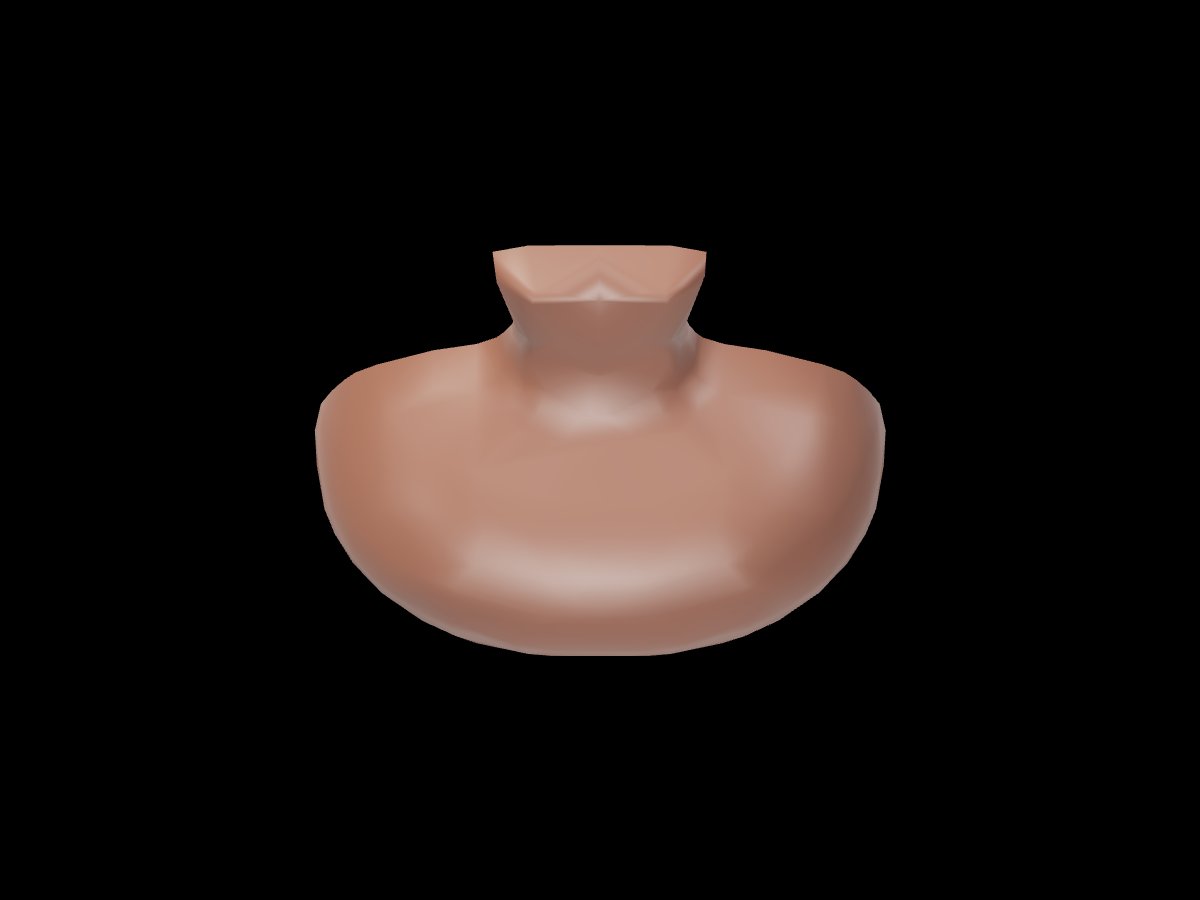
The adenohypophysis (anterior pituitary) is the glandular front part of the pituitary. It releases hormones that control the thyroid, adrenals, gonads, growth and milk production.
Other names: Adénohypophyse (French) · Adenohipófisis (Spanish) · Adenohipófise (Portuguese)
Key facts
- Type
- Endocrine gland (anterior lobe of the pituitary)
- Arterial supply
- Hypophysial portal system from the superior hypophysial arteries
- Function
- Releases growth hormone, prolactin, TSH, ACTH, FSH and LH under control of hormones carried from the hypothalamus by the portal blood vessels of the stalk.
Location and relations
In the sella turcica of the sphenoid bone, below the optic chiasm, in front of the neurohypophysis; it is connected to the hypothalamus by the pituitary stalk.
Parts and features
Pars distalis, pars intermedia and pars tuberalis
Clinical notes
- Pituitary tumours can overproduce hormones (for example prolactinoma, acromegaly or Cushing disease) or press on the optic chiasm, causing loss of outer vision in both eyes
- Severe bleeding after childbirth can damage it (Sheehan syndrome), causing failure to breastfeed and loss of periods
- Most tumours are removed through the nose and sphenoid sinus
Quick answers
Where is the adenohypophysis located?
In the sella turcica of the sphenoid bone, below the optic chiasm, in front of the neurohypophysis; it is connected to the hypothalamus by the pituitary stalk.
What does the adenohypophysis do?
Releases growth hormone, prolactin, TSH, ACTH, FSH and LH under control of hormones carried from the hypothalamus by the portal blood vessels of the stalk.
What is the blood supply of the adenohypophysis?
Hypophysial portal system from the superior hypophysial arteries
Notes written for anatmy3d and checked against Gray’s Anatomy, Moore’s Clinically Oriented Anatomy and Netter. Last reviewed .