Brain and spinal cordDiencephalon
Hypothalamus
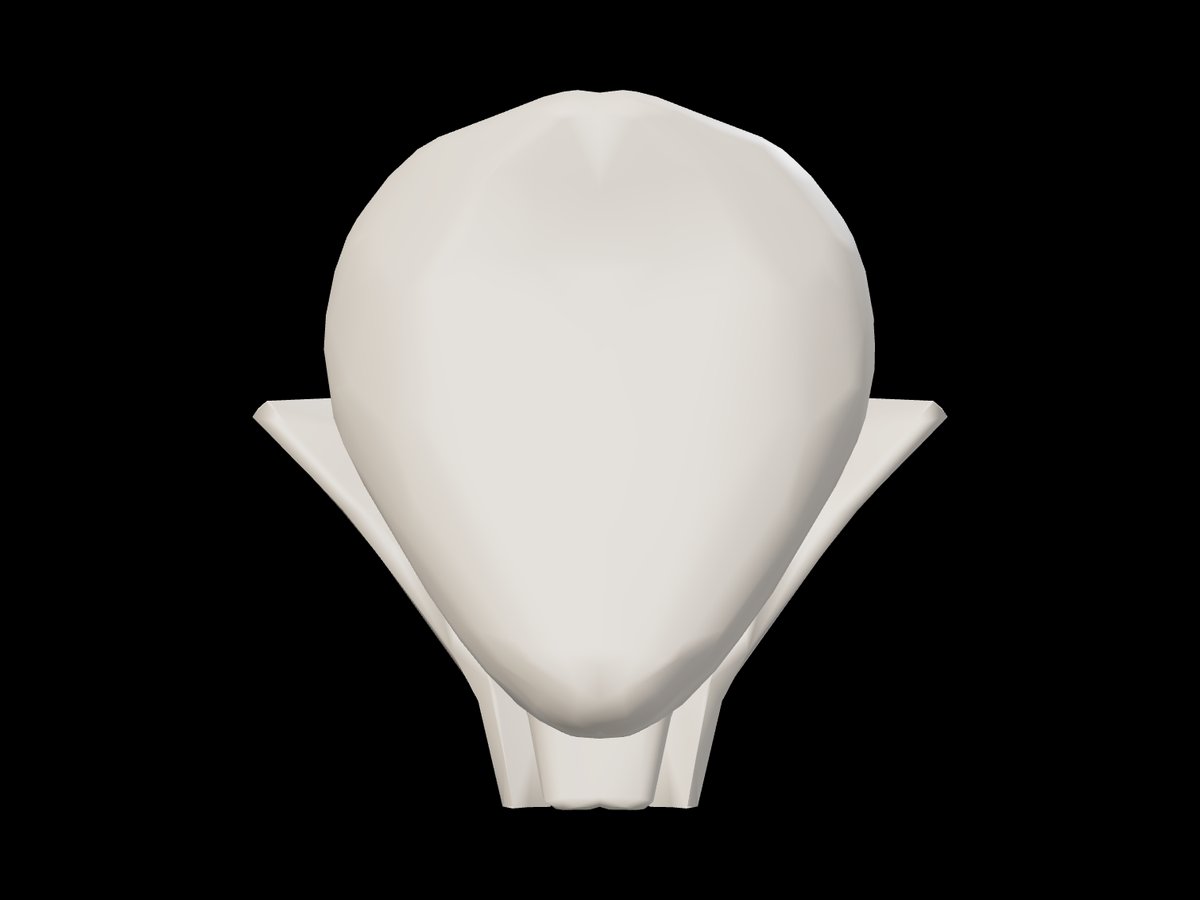
The hypothalamus is a small region below the thalamus that controls the body's internal balance: temperature, hunger, thirst, sleep, hormones and the stress response.
Other names: Hipotálamo (Spanish, Portuguese)
Key facts
- Type
- Diencephalon
- Arterial supply
- Branches of the circle of Willis
- Function
- Controls the pituitary gland, body temperature, appetite, thirst, water balance (vasopressin), sleep–wake rhythms, sexual behaviour and the autonomic nervous system.
Location and relations
Floor and lower walls of the third ventricle, above the pituitary gland, from the optic chiasm to the mamillary bodies.
Parts and features
- Nuclei controlling hormones (supraoptic, paraventricular, arcuate)
- Suprachiasmatic nucleus (body clock)
- Mamillary bodies at the back
Clinical notes
- Tumours near it (such as craniopharyngioma) can cause obesity, excessive thirst and urination (central diabetes insipidus, now called arginine vasopressin deficiency) and growth or puberty problems
- Damage can disturb temperature control and sleep
Quick answers
Where is the hypothalamus located?
Floor and lower walls of the third ventricle, above the pituitary gland, from the optic chiasm to the mamillary bodies.
What does the hypothalamus do?
Controls the pituitary gland, body temperature, appetite, thirst, water balance (vasopressin), sleep–wake rhythms, sexual behaviour and the autonomic nervous system.
What is the blood supply of the hypothalamus?
Branches of the circle of Willis
Notes written for anatmy3d and checked against Gray’s Anatomy, Moore’s Clinically Oriented Anatomy and Netter. Last reviewed .