Brain and spinal cordTelencephalon
Amygdaloid body
Corpus amygdaloideum
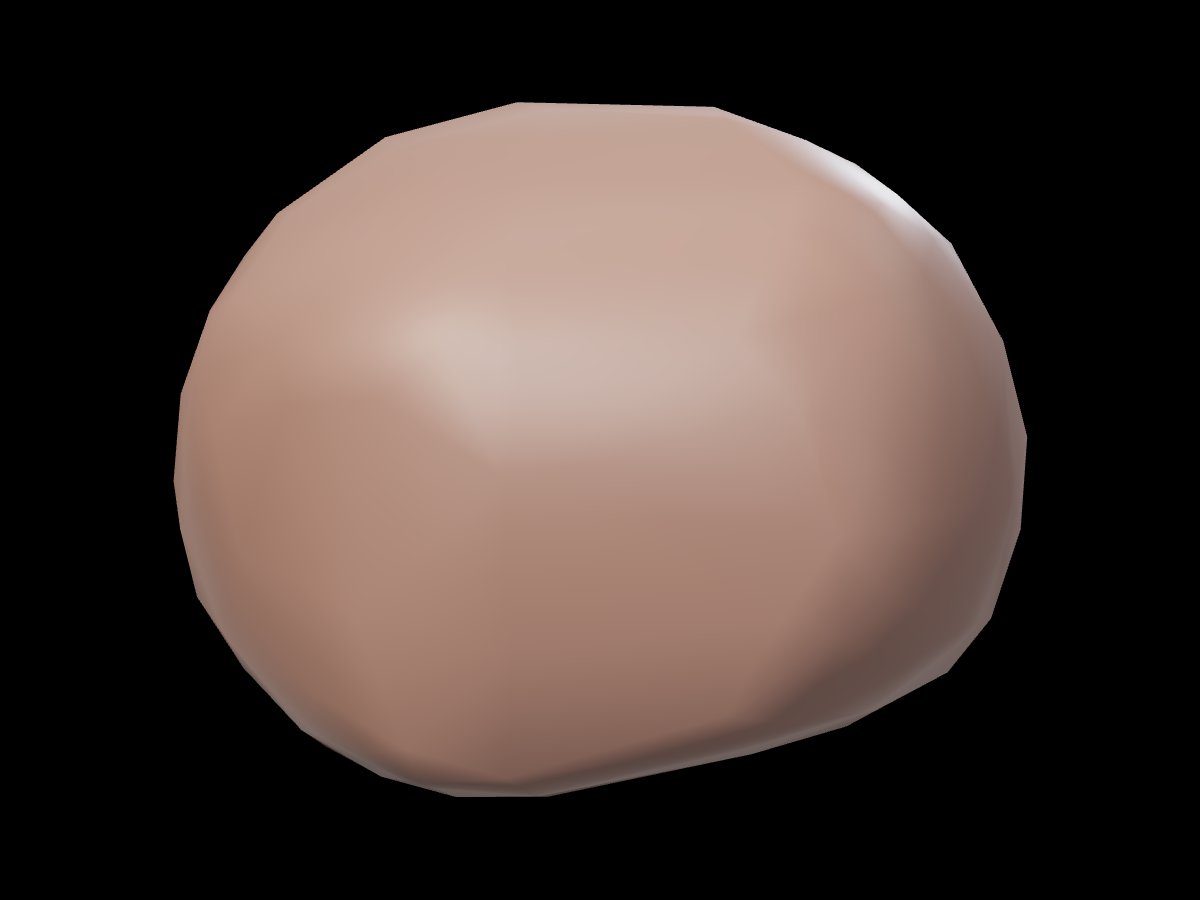
The amygdala (amygdaloid body) is an almond-shaped cluster of nuclei deep in the front of the temporal lobe. It detects threats and gives emotional significance to experiences, especially fear.
Other names: Corpus amygdaloideum (Latin) · Corps amygdaloïde (French) · Cuerpo amigdaloide (Spanish) · Corpo amigdalóide (Portuguese)
Key facts
- Type
- Nuclear complex of the limbic system
- Arterial supply
- Anterior choroidal artery and branches of the middle cerebral artery
- Function
- Fear and threat detection, emotional memory, social signals such as facial expressions, and triggering stress responses through the hypothalamus.
Location and relations
Medial temporal lobe, in front of the hippocampus and the tip of the temporal horn of the lateral ventricle, beneath the uncus.
Clinical notes
- Overactivity is linked to anxiety disorders and post-traumatic stress
- Seizures arising here often begin with a sudden feeling of fear or a rising sensation in the stomach
- Damage on both sides (as in Urbach–Wiethe disease) removes the ability to feel fear normally
Quick answers
Where is the amygdaloid body located?
Medial temporal lobe, in front of the hippocampus and the tip of the temporal horn of the lateral ventricle, beneath the uncus.
What does the amygdaloid body do?
Fear and threat detection, emotional memory, social signals such as facial expressions, and triggering stress responses through the hypothalamus.
What is the blood supply of the amygdaloid body?
Anterior choroidal artery and branches of the middle cerebral artery
Notes written for anatmy3d and checked against Gray’s Anatomy, Moore’s Clinically Oriented Anatomy and Netter. Last reviewed .