Joints and ligamentsTemporomandibular joint
Articular disc of temporomandibular joint
Discus articulationis temporomandibularis
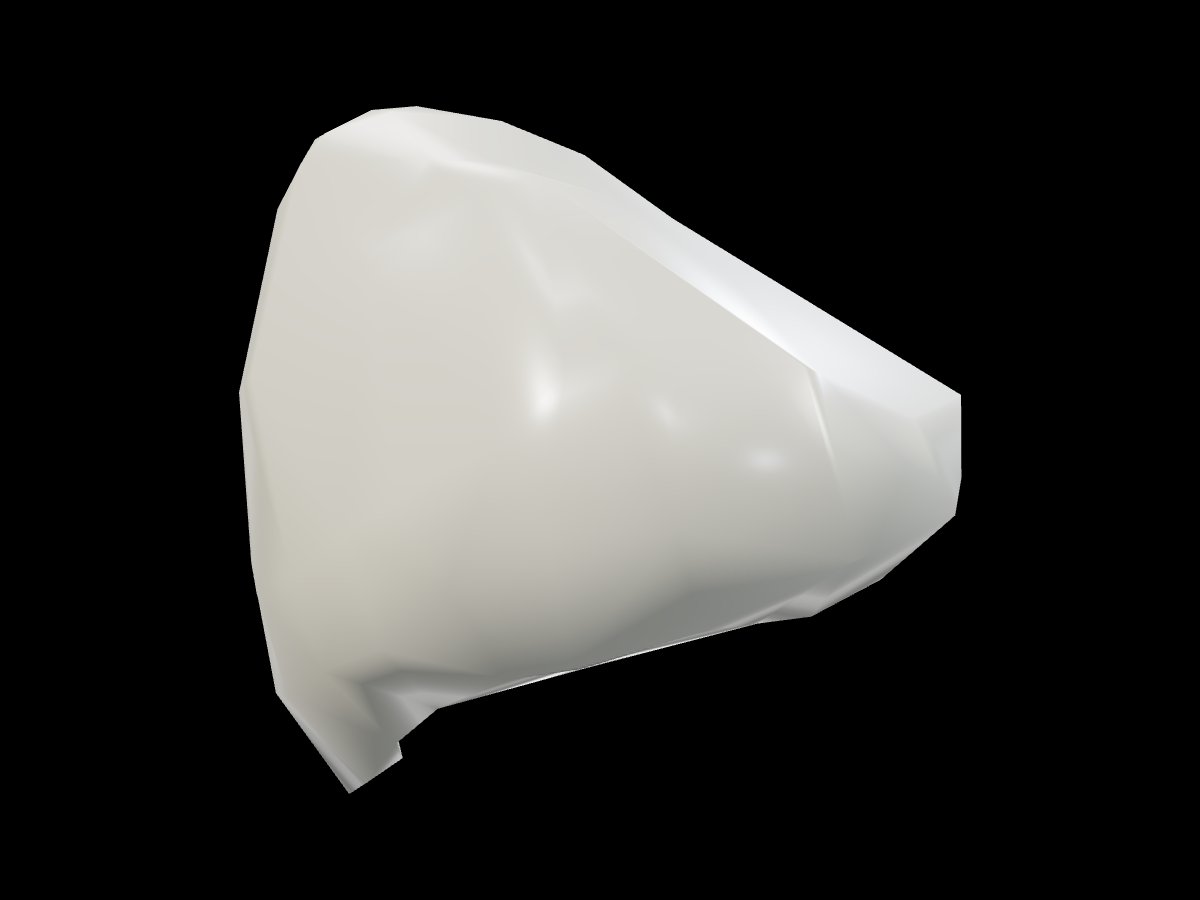
The articular disc of the temporomandibular joint is an oval plate of fibrocartilage, thin in the middle and thick at the edges, sitting between the condyle and the temporal bone.
Other names: Discus articulationis temporomandibularis (Latin) · Disque articulaire de l'articulation temporomandibulaire (French) · Disco articular de la articulación temporomandibular (Spanish) · Disco articular da articulação temporomandibular (Portuguese)
Key facts
- Type
- Fibrocartilaginous articular disc
- Function
- Divides the joint into two compartments, matches the curved surfaces and travels forward with the condyle during opening.
Location and relations
Inside the jaw joint; attached at its sides to the condyle, in front to the upper head of lateral pterygoid and behind to vascular, elastic retrodiscal tissue.
Clinical notes
- Forward slipping of the disc (anterior disc displacement) causes clicking on opening and closing
- If the disc fails to slip back into place, the mouth cannot open fully (closed lock)
Quick answers
Where is the articular disc of temporomandibular joint located?
Inside the jaw joint; attached at its sides to the condyle, in front to the upper head of lateral pterygoid and behind to vascular, elastic retrodiscal tissue.
What does the articular disc of temporomandibular joint do?
Divides the joint into two compartments, matches the curved surfaces and travels forward with the condyle during opening.
Notes written for anatmy3d and checked against Gray’s Anatomy, Moore’s Clinically Oriented Anatomy and Netter. Last reviewed .