Joints and ligamentsDistal radio-ulnar joint
Articular disc of distal radio-ulnar joint
Discus articulationis radioulnaris distalis
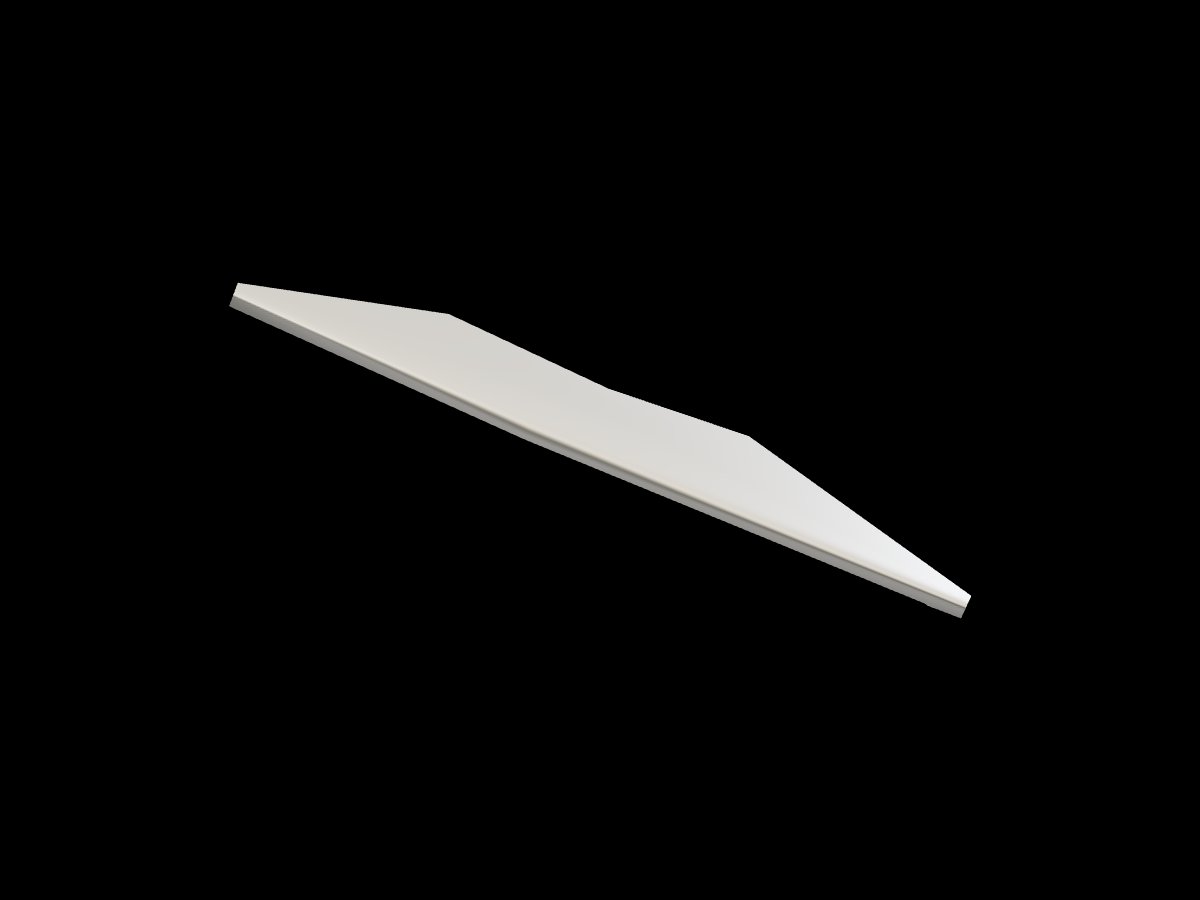
The articular disc of the distal radio-ulnar joint (triangular fibrocartilage) is a triangular pad between the head of the ulna and the carpal bones. It binds the lower ends of the radius and ulna together and cushions the ulnar side of the wrist.
Other names: Discus articulationis radioulnaris distalis (Latin) · Disque articulaire de l'articulation radio-ulnaire distale (French) · Disco articular de la articulación radio-ulnar distal (Spanish) · Disco articular da articulação radio-ulnar distal (Portuguese)
Key facts
- Type
- Fibrocartilaginous disc, the centre of the triangular fibrocartilage complex (TFCC)
- Function
- Main stabiliser of the distal radio-ulnar joint; transmits and absorbs load between the hand and the ulna; separates the distal radio-ulnar joint from the wrist joint.
Location and relations
From the edge of the ulnar notch of the radius to the base of the ulnar styloid.
Clinical notes
- TFCC tears (from falls or degeneration) cause pain on the little-finger side of the wrist, especially on twisting
- Its central part has a poor blood supply, so central tears heal poorly
Quick answers
Where is the articular disc of distal radio-ulnar joint located?
From the edge of the ulnar notch of the radius to the base of the ulnar styloid.
What does the articular disc of distal radio-ulnar joint do?
Main stabiliser of the distal radio-ulnar joint; transmits and absorbs load between the hand and the ulna; separates the distal radio-ulnar joint from the wrist joint.
Notes written for anatmy3d and checked against Gray’s Anatomy, Moore’s Clinically Oriented Anatomy and Netter. Last reviewed .