Ascending aorta
Aorta ascendens
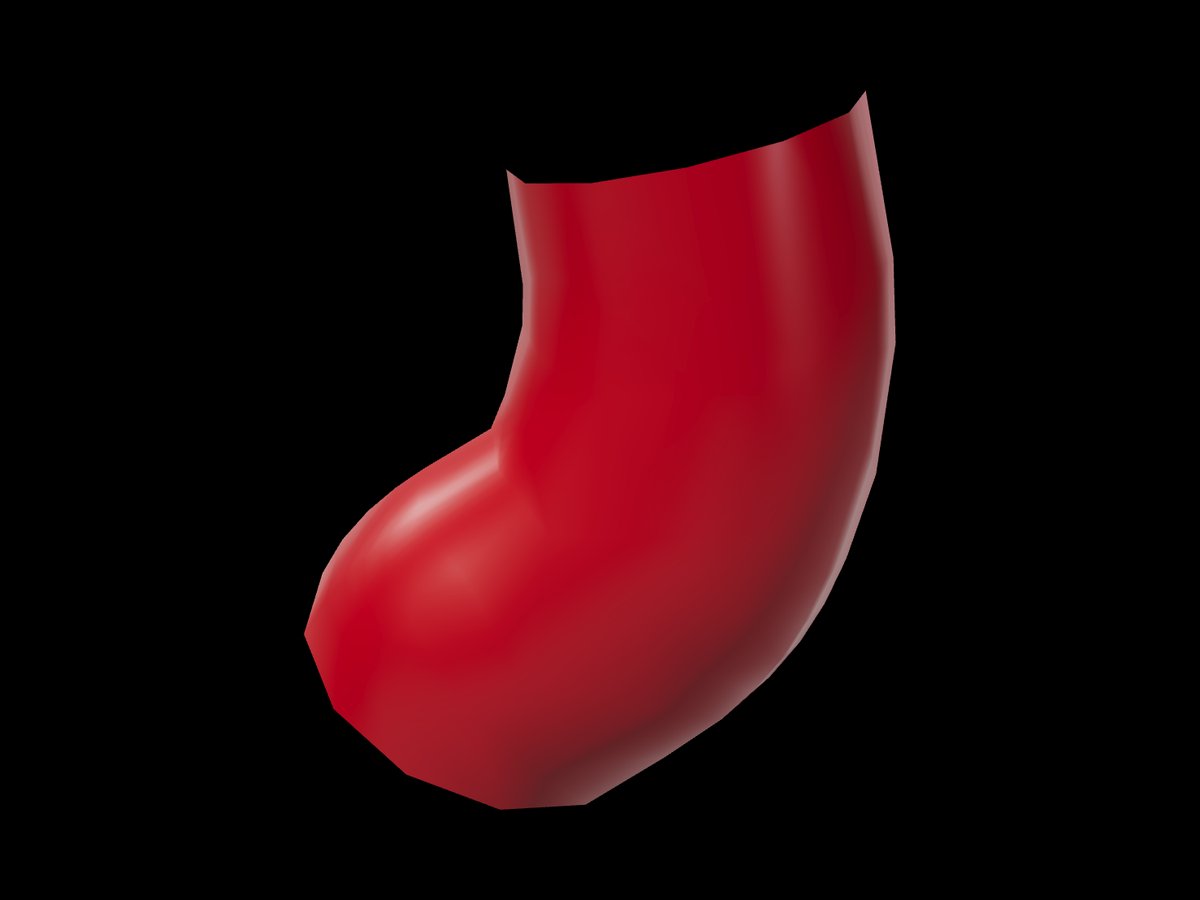
The ascending aorta is the first part of the aorta, rising from the left ventricle. Its only branches are the two coronary arteries, which leave from the bulging aortic sinuses just above the aortic valve.
Other names: Aorta ascendens (Latin) · Aorte ascendante (French) · Aorta ascendente (Spanish, Portuguese)
Key facts
- Type
- Elastic artery (part of the aorta)
- Supplies
- The heart muscle (through the coronary arteries) and, as the trunk of the systemic circulation, the whole body
- Branches
- Right and left coronary arteries
- Course
- Begins at the aortic valve behind the left half of the sternum at the level of the third costal cartilage, runs up, forwards and to the right for about 5 cm, and becomes the aortic arch at the level of the sternal angle.
- Function
- Carries the whole oxygen-rich output of the left ventricle into the systemic circulation. Its elastic wall stretches with each beat and recoils in diastole, keeping blood moving and filling the coronary arteries.
Location and relations
Inside the pericardium, with the pulmonary trunk on its left and the superior vena cava on its right.
Clinical notes
- Type A aortic dissection, a tear that involves this part of the aorta, is a surgical emergency causing sudden tearing chest pain
- Widening (aneurysm) occurs with high blood pressure, Marfan syndrome and bicuspid aortic valve, and is monitored by scans
- The aortic root is replaced surgically when it becomes too wide
Quick answers
What is the course of the ascending aorta?
Begins at the aortic valve behind the left half of the sternum at the level of the third costal cartilage, runs up, forwards and to the right for about 5 cm, and becomes the aortic arch at the level of the sternal angle.
What are the branches of the ascending aorta?
Right and left coronary arteries
What does the ascending aorta supply?
The heart muscle (through the coronary arteries) and, as the trunk of the systemic circulation, the whole body
Where is the ascending aorta located?
Inside the pericardium, with the pulmonary trunk on its left and the superior vena cava on its right.
Notes written for anatmy3d and checked against Gray’s Anatomy, Moore’s Clinically Oriented Anatomy and Netter. Last reviewed .