Brachiocephalic trunk
Truncus brachiocephalicus
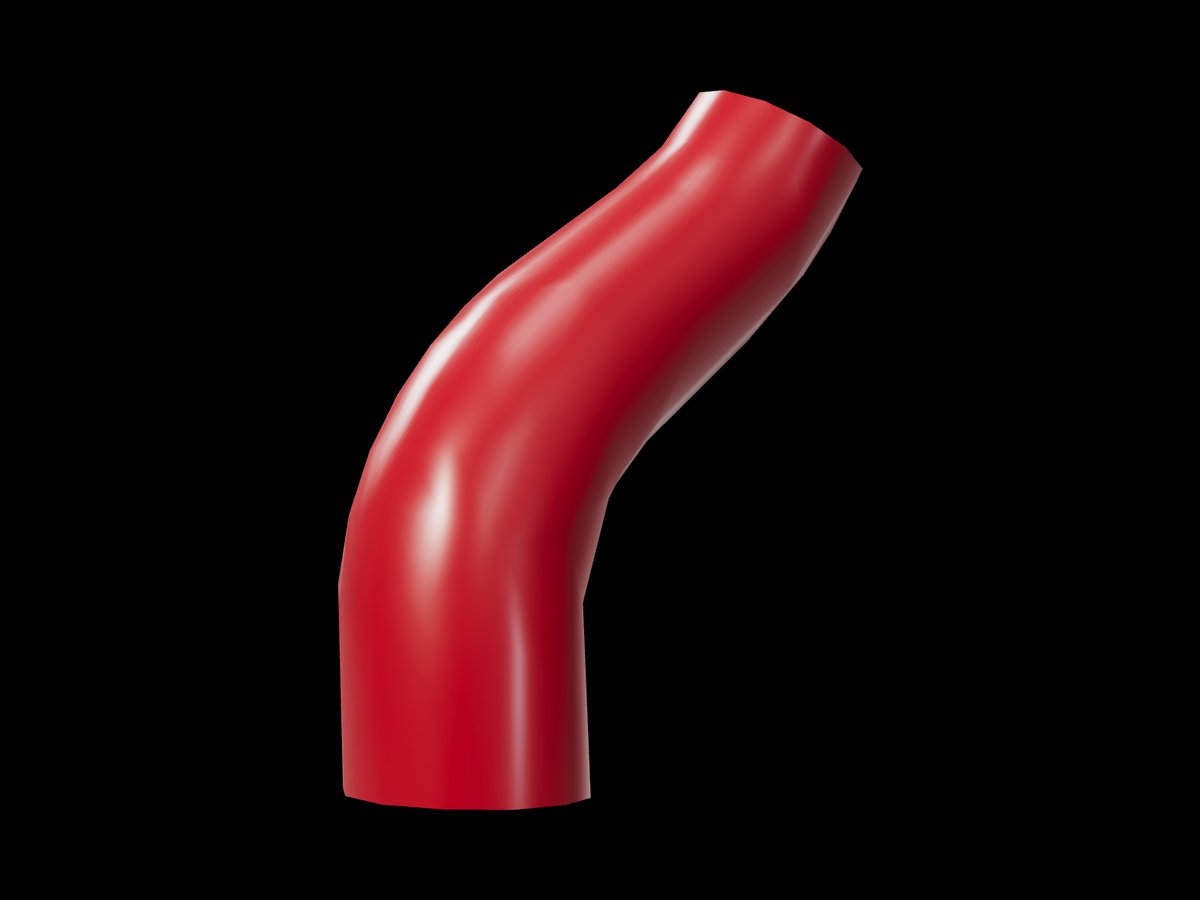
The brachiocephalic trunk is the first and largest branch of the aortic arch. It supplies the right side of the head, neck and right arm.
Other names: Truncus brachiocephalicus (Latin) · Tronc brachiocéphalique (French) · Tronco braquiocefálico (Spanish, Portuguese)
Key facts
- Type
- Elastic artery
- Supplies
- Right side of the head and neck, right upper limb and the upper right chest wall
- Branches
- Right common carotid artery, right subclavian artery (occasionally a small thyroid ima artery)
- Course
- Arises behind the manubrium, runs up and to the right, and divides behind the right sternoclavicular joint into the right common carotid and right subclavian arteries.
- Function
- Carries oxygen-rich blood from the aortic arch to the right side of the head, neck and brain and to the right upper limb, dividing behind the right sternoclavicular joint.
Location and relations
In front of the trachea, crossed in front by the left brachiocephalic vein.
Clinical notes
- A tracheostomy tube placed too low can erode into it, causing life-threatening bleeding
- In young children it can lie high in the neck, above the sternum
Quick answers
What is the course of the brachiocephalic trunk?
Arises behind the manubrium, runs up and to the right, and divides behind the right sternoclavicular joint into the right common carotid and right subclavian arteries.
What are the branches of the brachiocephalic trunk?
Right common carotid artery, right subclavian artery (occasionally a small thyroid ima artery)
What does the brachiocephalic trunk supply?
Right side of the head and neck, right upper limb and the upper right chest wall
Where is the brachiocephalic trunk located?
In front of the trachea, crossed in front by the left brachiocephalic vein.
Notes written for anatmy3d and checked against Gray’s Anatomy, Moore’s Clinically Oriented Anatomy and Netter. Last reviewed .