NervesBranches of the posterior cord of the brachial plexus
Axillary nerve
Nervus axillaris
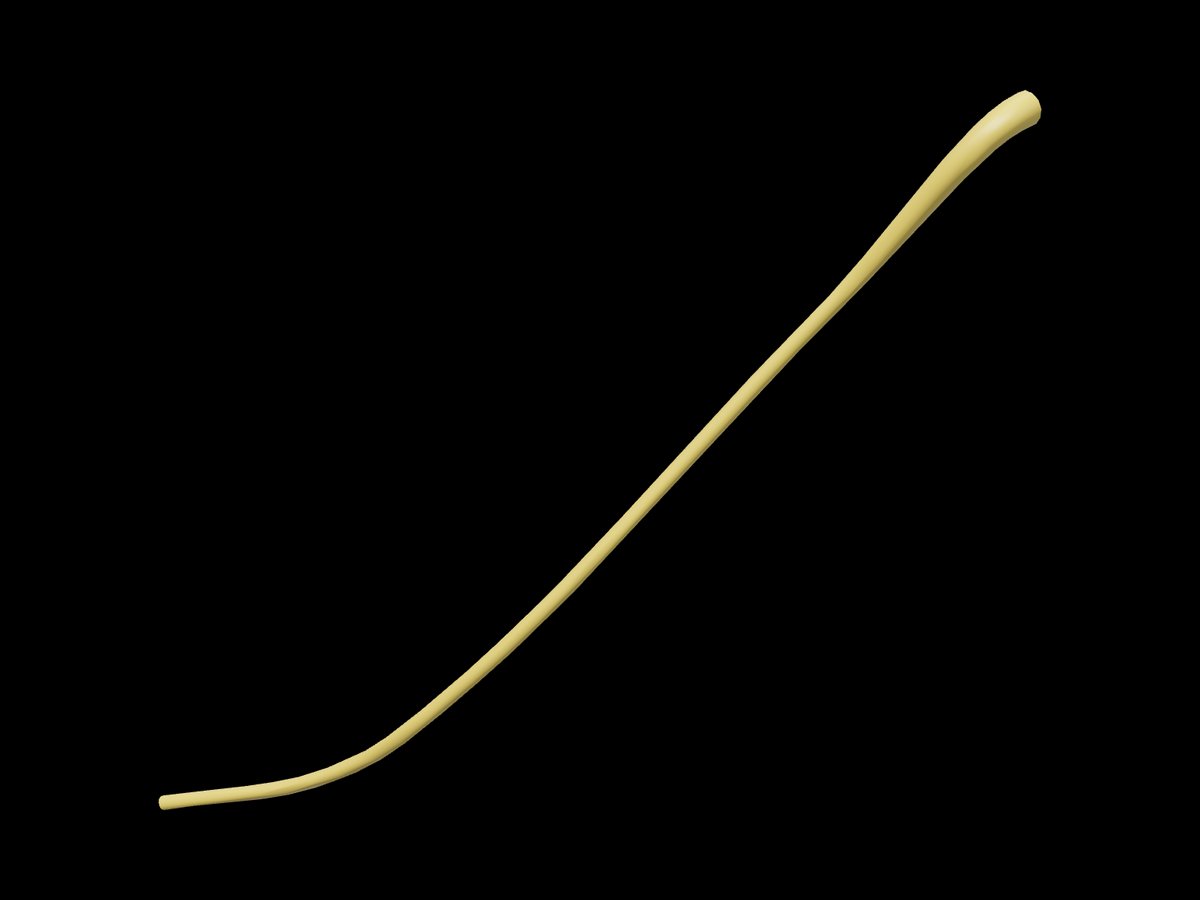
The axillary nerve supplies the deltoid and teres minor muscles and the skin over the lower deltoid. It winds around the neck of the humerus.
Other names: Nervus axillaris (Latin) · Nerf axillaire (French) · Nervio axilar (Spanish) · Nervo axilar (Portuguese)
Key facts
- Type
- Branch of the posterior cord (C5, C6)
- Branches
- Branch to teres minor, muscular branches to deltoid, superior lateral brachial cutaneous nerve
- Course
- Passes back through the quadrangular space with the posterior circumflex humeral artery and winds around the surgical neck of the humerus beneath the deltoid.
- Function
- Supplies deltoid (raising the arm) and teres minor (outward rotation); sensation of the "regimental badge" area of skin.
Clinical notes
- Damaged in shoulder dislocations and fractures of the surgical neck, causing weak arm raising and numbness over the outer shoulder
Quick answers
What is the course of the axillary nerve?
Passes back through the quadrangular space with the posterior circumflex humeral artery and winds around the surgical neck of the humerus beneath the deltoid.
What does the axillary nerve do?
Supplies deltoid (raising the arm) and teres minor (outward rotation); sensation of the "regimental badge" area of skin.
What are the branches of the axillary nerve?
Branch to teres minor, muscular branches to deltoid, superior lateral brachial cutaneous nerve
Notes written for anatmy3d and checked against Gray’s Anatomy, Moore’s Clinically Oriented Anatomy and Netter. Last reviewed .