NervesBranches of the posterior cord of the brachial plexus
Deep branch of radial nerve
Ramus profundus nervi radialis
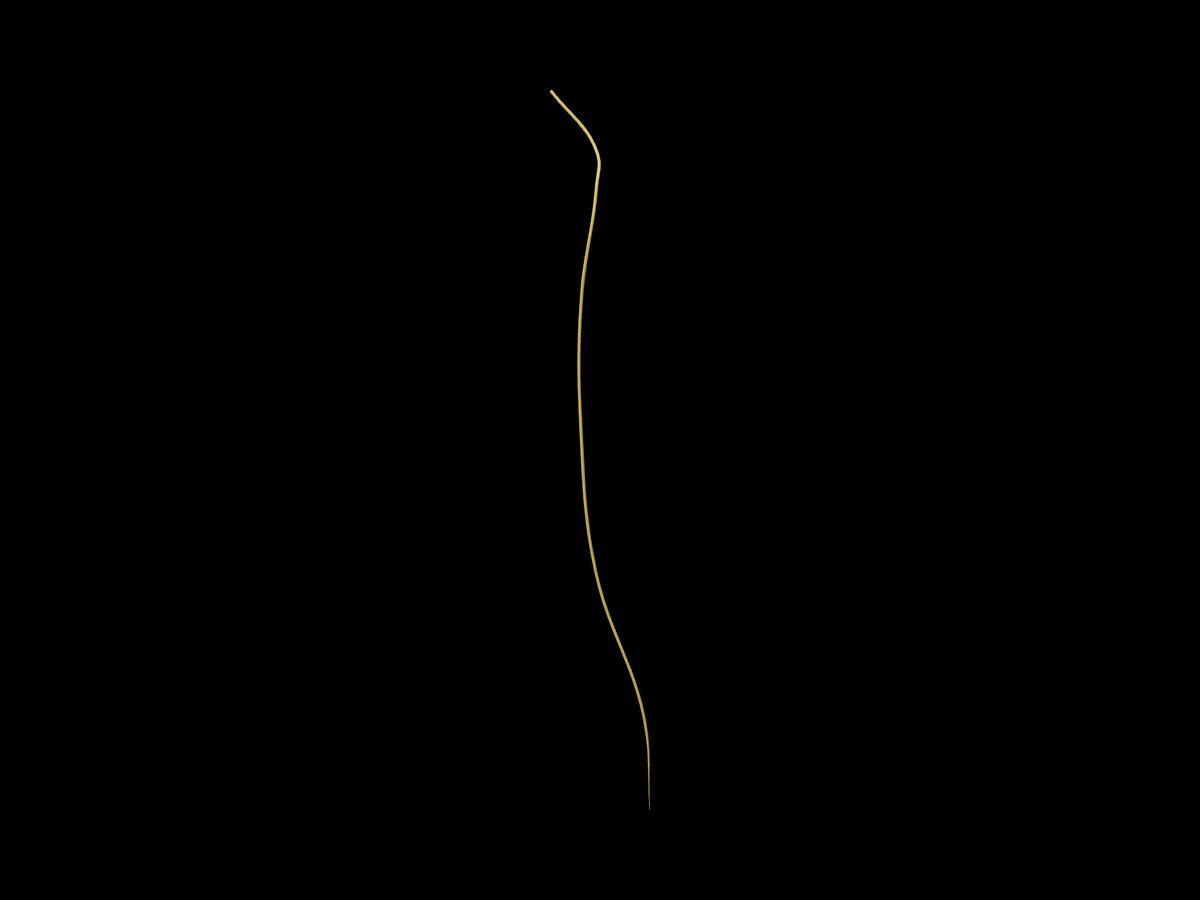
The deep branch of the radial nerve is its motor branch, which passes through the supinator to supply the extensor muscles of the forearm.
Other names: Ramus profundus nervi radialis (Latin) · Branche profonde du nerf radial (French) · Rama profunda del nervio radial (Spanish) · Ramo profundo do nervo radial (Portuguese)
Key facts
- Type
- Motor branch of the radial nerve
- Course
- Leaves the radial nerve in front of the lateral epicondyle, gives branches to extensor carpi radialis brevis and supinator, and winds around the neck of the radius through the supinator (under the arcade of Frohse), becoming the posterior interosseous nerve.
- Function
- Supplies supinator, extensor carpi radialis brevis and, as the posterior interosseous nerve, the remaining forearm extensors.
Clinical notes
- Can be compressed at the arcade of Frohse, causing weakness of finger extension without numbness
- At risk in fractures and surgery of the radial head and neck
Quick answers
What is the course of the deep branch of radial nerve?
Leaves the radial nerve in front of the lateral epicondyle, gives branches to extensor carpi radialis brevis and supinator, and winds around the neck of the radius through the supinator (under the arcade of Frohse), becoming the posterior interosseous nerve.
What does the deep branch of radial nerve do?
Supplies supinator, extensor carpi radialis brevis and, as the posterior interosseous nerve, the remaining forearm extensors.
Notes written for anatmy3d and checked against Gray’s Anatomy, Moore’s Clinically Oriented Anatomy and Netter. Last reviewed .