Brain and spinal cordTelencephalon
Fornix
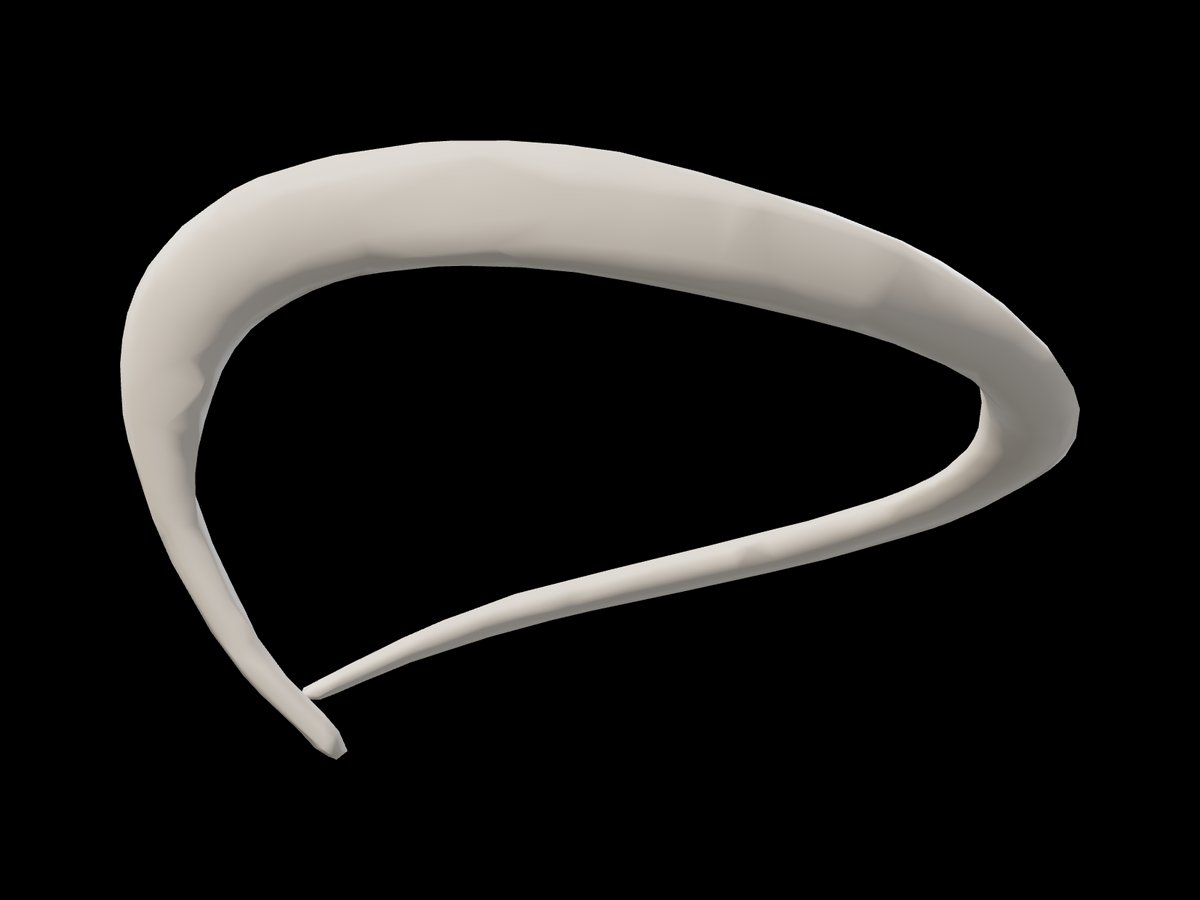
The fornix is an arched bundle of nerve fibres carrying output from the hippocampus to the mamillary bodies and septal area. It is a major pathway of the memory circuit.
Key facts
- Type
- White matter tract (limbic system)
- Arterial supply
- Branches of the anterior and posterior cerebral arteries
- Function
- Links the hippocampus with the mamillary bodies, thalamus and septal nuclei (Papez circuit), supporting memory.
Location and relations
Arches from the back of the hippocampus up beneath the corpus callosum, forward along the bottom of the septum pellucidum, then down in front of the interventricular foramen into the hypothalamus.
Parts and features
- Fimbria and crus (from each hippocampus)
- Body (where the two sides join)
- Columns (descending to the mamillary bodies)
Clinical notes
- Damage to both fornices, for example during surgery near the third ventricle, can cause severe memory loss
Quick answers
Where is the fornix located?
Arches from the back of the hippocampus up beneath the corpus callosum, forward along the bottom of the septum pellucidum, then down in front of the interventricular foramen into the hypothalamus.
What does the fornix do?
Links the hippocampus with the mamillary bodies, thalamus and septal nuclei (Papez circuit), supporting memory.
What is the blood supply of the fornix?
Branches of the anterior and posterior cerebral arteries
Notes written for anatmy3d and checked against Gray’s Anatomy, Moore’s Clinically Oriented Anatomy and Netter. Last reviewed .