Brain and spinal cordDiencephalon
Lateral geniculate body
Corpus geniculatum laterale
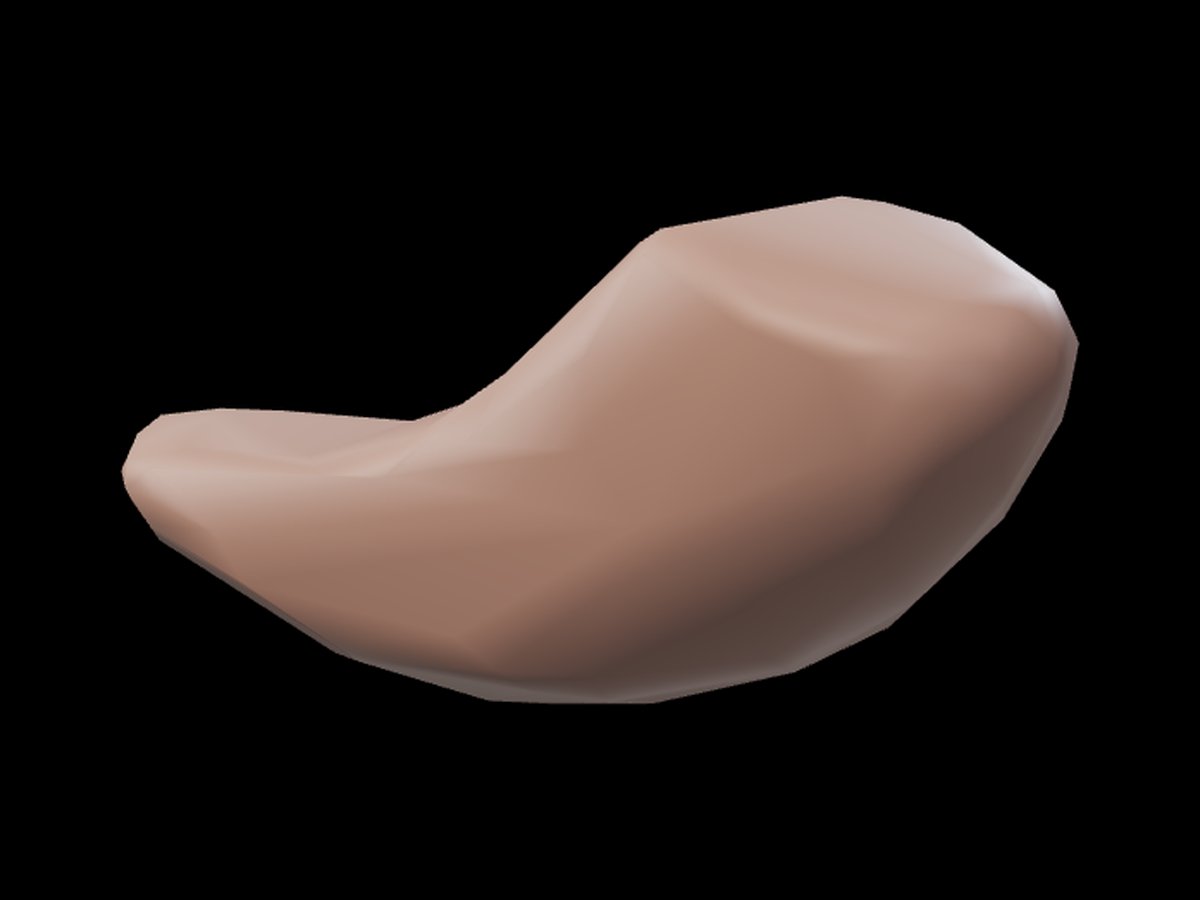
The lateral geniculate body (nucleus) is a small knee-shaped relay station in the thalamus where the optic tract ends. It passes visual information on to the visual cortex.
Other names: Corpus geniculatum laterale (Latin) · Corps géniculé latéral (French) · Cuerpo geniculado lateral (Spanish) · Corpo geniculado lateral (Portuguese)
Key facts
- Type
- Thalamic relay nucleus
- Arterial supply
- Anterior choroidal and posterior cerebral (lateral posterior choroidal) arteries
- Function
- Receives the optic tract and sends the optic radiation to the primary visual cortex; it has six layers receiving from the two eyes separately.
Location and relations
Underside of the back of the thalamus, below the pulvinar.
Clinical notes
- Damage causes a visual field defect on the opposite side, sometimes with a typical wedge-shaped pattern
Quick answers
Where is the lateral geniculate body located?
Underside of the back of the thalamus, below the pulvinar.
What does the lateral geniculate body do?
Receives the optic tract and sends the optic radiation to the primary visual cortex; it has six layers receiving from the two eyes separately.
What is the blood supply of the lateral geniculate body?
Anterior choroidal and posterior cerebral (lateral posterior choroidal) arteries
Notes written for anatmy3d and checked against Gray’s Anatomy, Moore’s Clinically Oriented Anatomy and Netter. Last reviewed .