Joints and ligamentsSacro-iliac joint
Interosseous sacro-iliac ligament
Ligamentum sacroiliacum interosseum
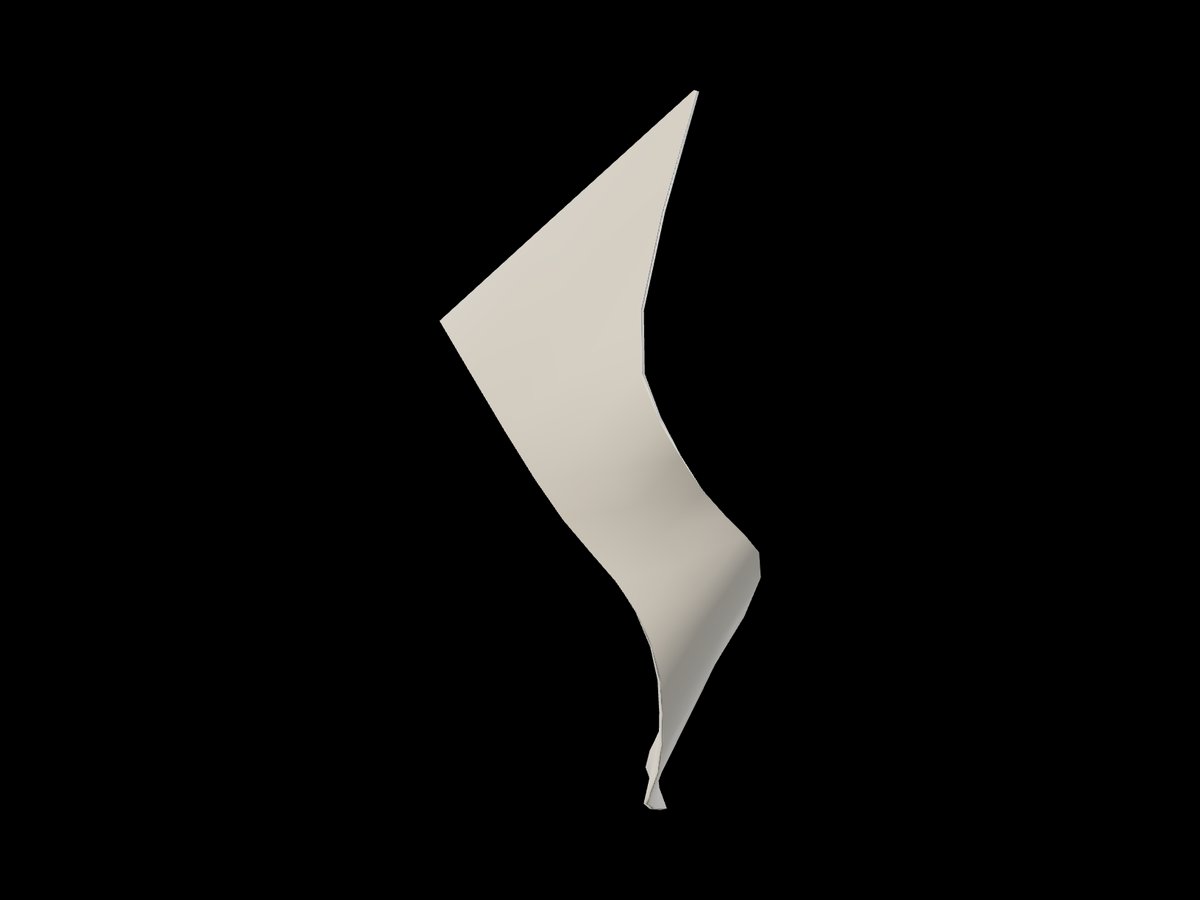
The interosseous sacro-iliac ligament is one of the strongest ligaments in the body. It fills the gap between the rough tuberosities of the sacrum and ilium, just behind the joint surfaces, and is the main bond holding the sacrum in place.
Other names: Ligamentum sacroiliacum interosseum (Latin) · Ligament sacro-iliaque interosseux (French) · Ligamento sacroilíaco interóseo (Spanish) · Ligamento sacro-ilíaco interósseo (Portuguese)
Key facts
- Type
- Syndesmotic ligament of the sacro-iliac joint
- Function
- Binds the sacrum to the ilia so that body weight is transferred from the spine to the pelvis.
Location and relations
Deep to the posterior sacro-iliac ligament, between the sacral and iliac tuberosities.
Clinical notes
- Usually stays intact in mild pelvic injuries; its tearing makes the pelvis vertically unstable
- Guided needle injections into the joint are used for sacro-iliac pain
Quick answers
Where is the interosseous sacro-iliac ligament located?
Deep to the posterior sacro-iliac ligament, between the sacral and iliac tuberosities.
What does the interosseous sacro-iliac ligament do?
Binds the sacrum to the ilia so that body weight is transferred from the spine to the pelvis.
Notes written for anatmy3d and checked against Gray’s Anatomy, Moore’s Clinically Oriented Anatomy and Netter. Last reviewed .