Joints and ligamentsIntervertebral symphysis
Intervertebral disc T10-T11
Discus intervertebralis T10-T11
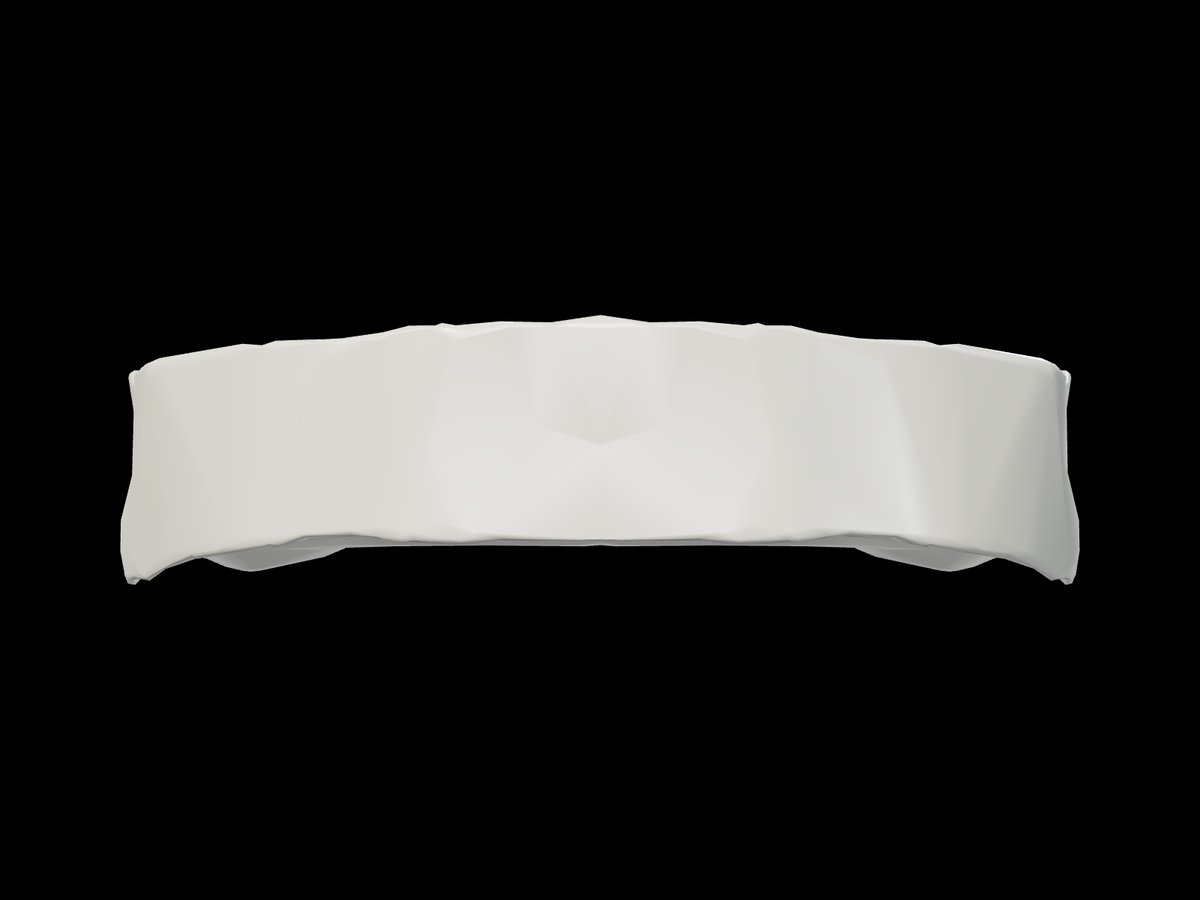
The T10–T11 intervertebral disc joins the bodies of the tenth and eleventh thoracic vertebrae. Unlike the discs above, it has no rib head attached: the 11th and 12th ribs meet only their own vertebrae.
Other names: Discus intervertebralis T10-T11 (Latin) · Disque intervertébral T10-T11 (French) · Disco intervertebral T10-T11 (Spanish, Portuguese)
Key facts
- Type
- Secondary cartilaginous joint (symphysis): annulus fibrosus around a nucleus pulposus between cartilage end plates
- Nerve supply
- Sinuvertebral (recurrent meningeal) nerves and sympathetic branches supply the outer annulus only
- Arterial supply
- The adult disc is almost avascular (small vessels reach only the outermost annulus); it is nourished mainly by diffusion through the end plates from the vertebral bodies
- Function
- Allows more bending and rotation than the discs above. Thoracic discs are thin and the ribs and sternum limit movement, so this region mainly rotates.
Location and relations
Lower thoracic spine behind the upper abdomen; the descending aorta lies on its left front, close to the diaphragm.
Parts and features
Annulus fibrosus (concentric rings of fibrocartilage), nucleus pulposus (gel-like core), cartilaginous end plates
Surface anatomy
Behind the upper abdomen, at about the level of the lower costal margins.
Clinical notes
- One of the commonest levels for thoracic disc herniation; it may cause band-like pain below the umbilicus or spinal cord compression with leg symptoms
Quick answers
Where is the intervertebral disc T10-T11 located?
Lower thoracic spine behind the upper abdomen; the descending aorta lies on its left front, close to the diaphragm.
What does the intervertebral disc T10-T11 do?
Allows more bending and rotation than the discs above. Thoracic discs are thin and the ribs and sternum limit movement, so this region mainly rotates.
What is the nerve supply of the intervertebral disc T10-T11?
Sinuvertebral (recurrent meningeal) nerves and sympathetic branches supply the outer annulus only
What is the blood supply of the intervertebral disc T10-T11?
The adult disc is almost avascular (small vessels reach only the outermost annulus); it is nourished mainly by diffusion through the end plates from the vertebral bodies
Notes written for anatmy3d and checked against Gray’s Anatomy, Moore’s Clinically Oriented Anatomy and Netter. Last reviewed .