Joints and ligamentsIntervertebral symphysis
Intervertebral disc T12-L1
Discus intervertebralis T12-L1
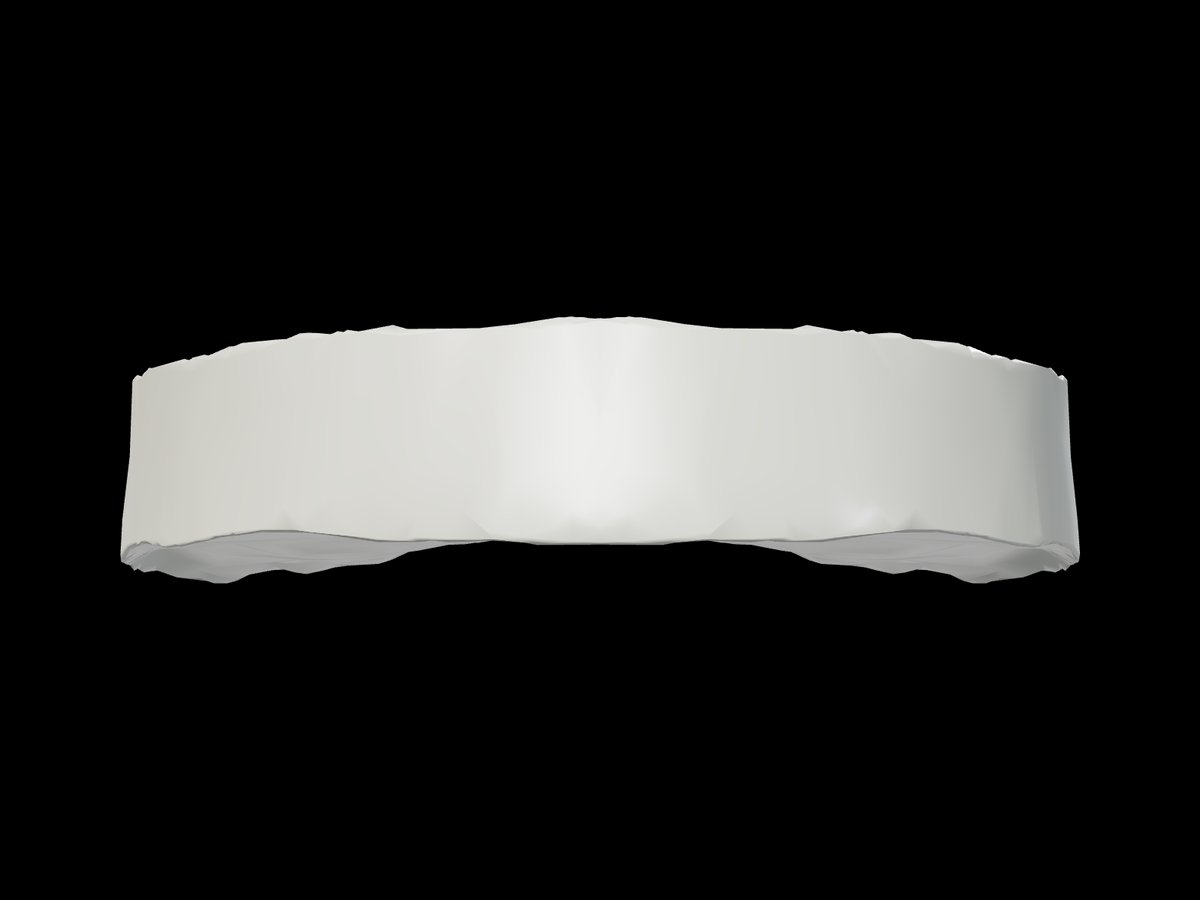
The T12–L1 intervertebral disc joins the bodies of the twelfth thoracic and first lumbar vertebrae. It lies at the thoracolumbar junction, where the stiff chest spine meets the mobile lumbar spine.
Other names: Discus intervertebralis T12-L1 (Latin) · Disque intervertébral T12-L1 (French) · Disco intervertebral T12-L1 (Spanish, Portuguese)
Key facts
- Type
- Secondary cartilaginous joint (symphysis): annulus fibrosus around a nucleus pulposus between cartilage end plates
- Nerve supply
- Sinuvertebral (recurrent meningeal) nerves and sympathetic branches supply the outer annulus only
- Arterial supply
- The adult disc is almost avascular (small vessels reach only the outermost annulus); it is nourished mainly by diffusion through the end plates from the vertebral bodies
- Function
- Transfers load between the thoracic and lumbar spines; the facet joints change here from the thoracic type, which allows rotation, to the lumbar type, which limits rotation and favours bending.
Location and relations
Thoracolumbar junction; the aorta passes through the diaphragm in front at T12, and the lower end of the spinal cord (conus medullaris) lies behind at about L1.
Parts and features
Annulus fibrosus (concentric rings of fibrocartilage), nucleus pulposus (gel-like core), cartilaginous end plates
Surface anatomy
At the back, just below the 12th ribs.
Clinical notes
- The thoracolumbar junction is the commonest site of spinal fractures (for example burst fractures from falls onto the feet)
- Herniation here can compress the conus medullaris, causing mixed leg weakness and bladder and bowel problems
Quick answers
Where is the intervertebral disc T12-L1 located?
Thoracolumbar junction; the aorta passes through the diaphragm in front at T12, and the lower end of the spinal cord (conus medullaris) lies behind at about L1.
What does the intervertebral disc T12-L1 do?
Transfers load between the thoracic and lumbar spines; the facet joints change here from the thoracic type, which allows rotation, to the lumbar type, which limits rotation and favours bending.
What is the nerve supply of the intervertebral disc T12-L1?
Sinuvertebral (recurrent meningeal) nerves and sympathetic branches supply the outer annulus only
What is the blood supply of the intervertebral disc T12-L1?
The adult disc is almost avascular (small vessels reach only the outermost annulus); it is nourished mainly by diffusion through the end plates from the vertebral bodies
Notes written for anatmy3d and checked against Gray’s Anatomy, Moore’s Clinically Oriented Anatomy and Netter. Last reviewed .