Lumbrical muscles of hand
Musculi lumbricales manus
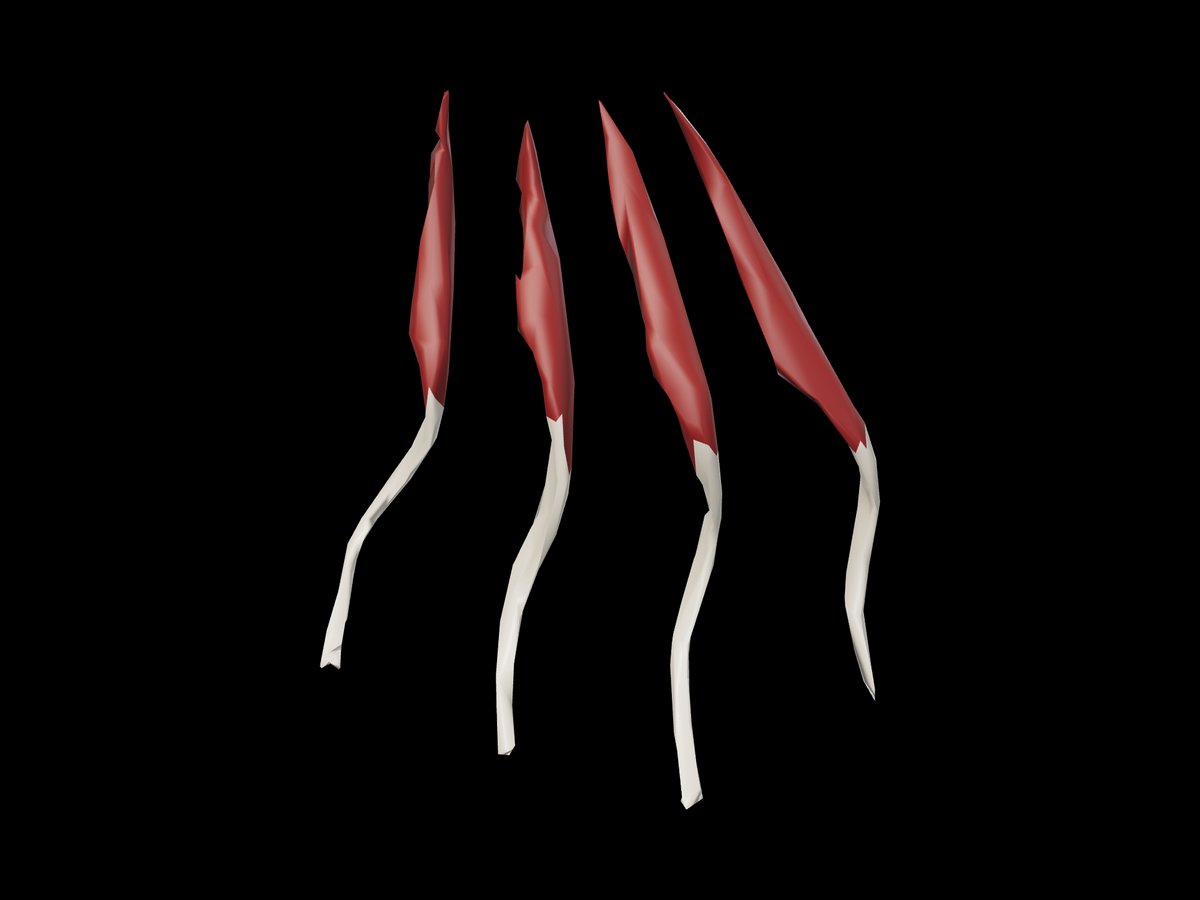
The four lumbricals are small worm-shaped muscles arising from the tendons of flexor digitorum profundus. They bend the knuckles while straightening the finger joints, the position used for holding a pen or a book.
Other names: Musculi lumbricales manus (Latin) · Muscles lombricaux de la main (French) · Músculos lumbricales de la mano (Spanish) · Músculos lumbricais da mão (Portuguese)
Key facts
- Origin
- Tendons of flexor digitorum profundus
- Insertion
- Radial sides of the extensor expansions of the 2nd–5th fingers
- Action
- Flex the MCP joints and extend the IP joints
- Nerve supply
- 1st and 2nd: median nerve. 3rd and 4th: deep branch of the ulnar nerve (C8–T1)
- Arterial supply
- Superficial and deep palmar arches; dorsal digital arteries
- Function
- Flex the metacarpophalangeal joints and extend the interphalangeal joints (the "table-top" position); they fine-tune finger movements.
Location and relations
In the palm, alongside the profundus tendons; their tendons pass on the thumb side of each finger into the extensor expansion.
Clinical notes
- The first and second lumbricals are supplied by the median nerve, the third and fourth by the ulnar nerve; loss of the ulnar ones causes clawing of the ring and little fingers
Quick answers
What are the origin and insertion of the lumbrical muscles of hand?
Origin: Tendons of flexor digitorum profundus. Insertion: Radial sides of the extensor expansions of the 2nd–5th fingers.
What do the lumbrical muscles of hand do?
Flex the MCP joints and extend the IP joints
What is the nerve supply of the lumbrical muscles of hand?
1st and 2nd: median nerve. 3rd and 4th: deep branch of the ulnar nerve (C8–T1)
What is the blood supply of the lumbrical muscles of hand?
Superficial and deep palmar arches; dorsal digital arteries
Where are the lumbrical muscles of hand located?
In the palm, alongside the profundus tendons; their tendons pass on the thumb side of each finger into the extensor expansion.
Notes written for anatmy3d and checked against Gray’s Anatomy, Moore’s Clinically Oriented Anatomy and Netter. Last reviewed .