VeinsSystemic veins
Occipital vein
Vena occipitalis
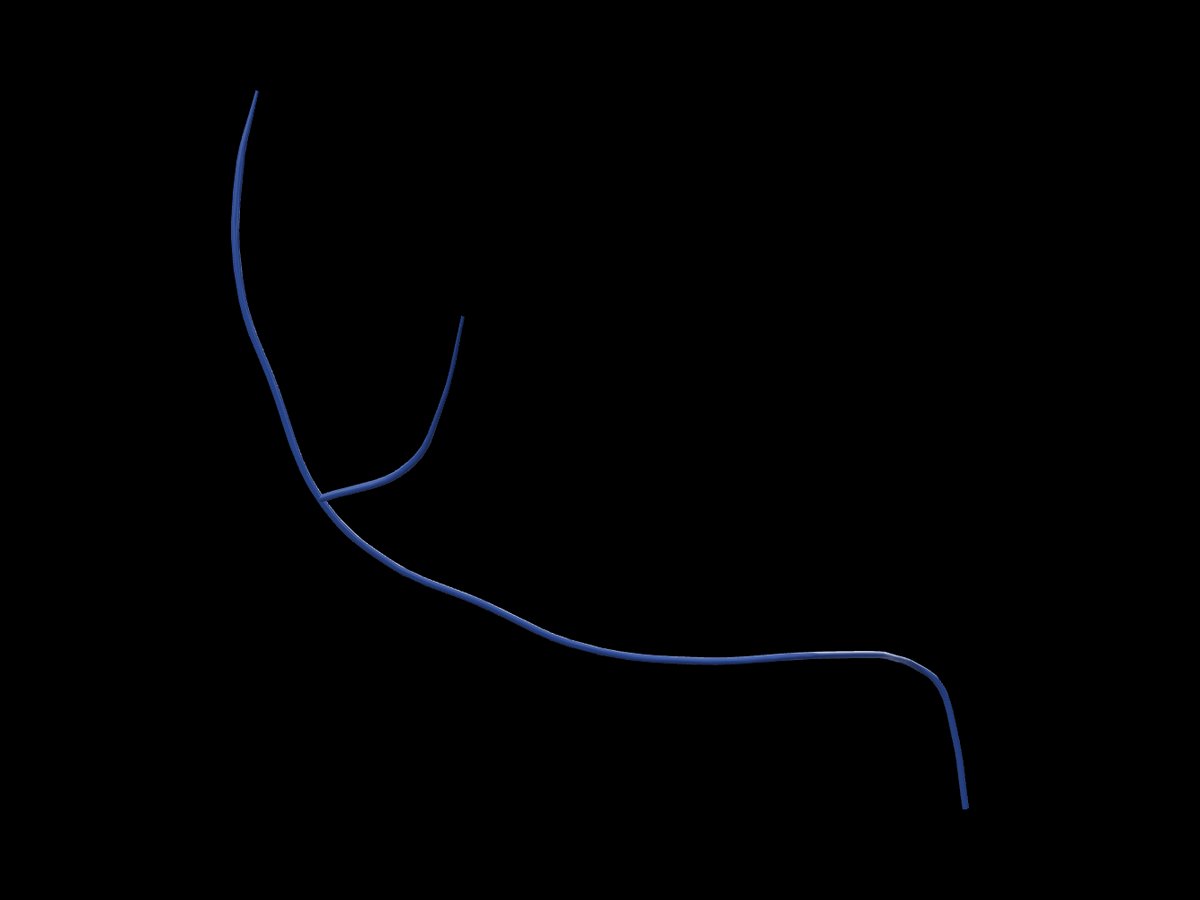
The occipital vein drains the back of the scalp.
Other names: Vena occipitalis (Latin) · Veine occipitale (French) · Vena occipital (Spanish) · Veia occipital (Portuguese)
Key facts
- Type
- Superficial vein
- Drains
- Back of the scalp
- Course
- Begins in a network on the back of the scalp, pierces the trapezius attachment and drains into the suboccipital venous plexus, the vertebral vein or the posterior auricular vein; a mastoid emissary vein links it to the sigmoid sinus.
- Function
- Drains the back of the scalp into the suboccipital plexus or nearby veins; a mastoid emissary vein joins it to the sigmoid sinus, a valveless path by which scalp infection can enter the skull.
Clinical notes
- Emissary veins connecting scalp veins to the dural sinuses allow scalp infections to spread inside the skull
Quick answers
What is the course of the occipital vein?
Begins in a network on the back of the scalp, pierces the trapezius attachment and drains into the suboccipital venous plexus, the vertebral vein or the posterior auricular vein; a mastoid emissary vein links it to the sigmoid sinus.
What does the occipital vein drain?
Back of the scalp
Notes written for anatmy3d and checked against Gray’s Anatomy, Moore’s Clinically Oriented Anatomy and Netter. Last reviewed .