Sigmoid sinus
Sinus sigmoideus
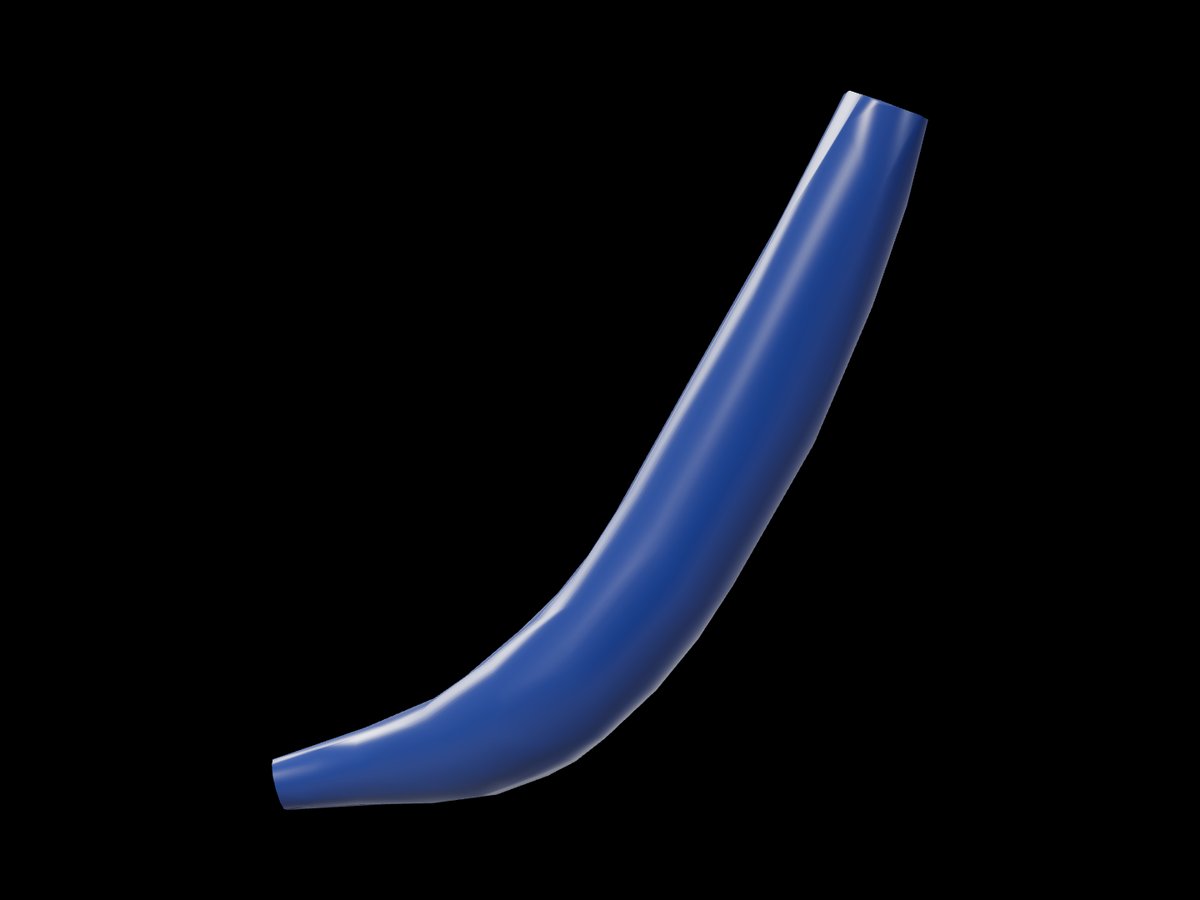
The sigmoid sinus is an S-shaped venous channel that runs down from the transverse sinus to the jugular foramen, where it becomes the internal jugular vein.
Other names: Sinus sigmoideus (Latin) · Sinus sigmoïde (French) · Seno sigmoideo (Spanish) · Seio sigmóide (Portuguese)
Key facts
- Type
- Dural venous sinus
- Drains
- Almost all the blood from the brain on that side passes through it
- Tributaries
- Transverse sinus, mastoid and condylar emissary veins, cerebellar veins
- Course
- Curves down in a deep groove on the inner surface of the mastoid part of the temporal bone and the occipital bone to the jugular foramen.
- Function
- Carries almost all the venous blood from its side of the brain down to the jugular foramen, where it becomes the internal jugular vein; valveless emissary veins link it to the scalp behind the ear.
Clinical notes
- It lies just behind the mastoid air cells, so mastoid infection can spread to it and cause thrombosis
- Surgeons drilling the mastoid must avoid it
Quick answers
What is the course of the sigmoid sinus?
Curves down in a deep groove on the inner surface of the mastoid part of the temporal bone and the occipital bone to the jugular foramen.
What are the tributaries of the sigmoid sinus?
Transverse sinus, mastoid and condylar emissary veins, cerebellar veins
What does the sigmoid sinus drain?
Almost all the blood from the brain on that side passes through it
Notes written for anatmy3d and checked against Gray’s Anatomy, Moore’s Clinically Oriented Anatomy and Netter. Last reviewed .