Reproductive systemFemale genital organs
Ovary
Ovarium
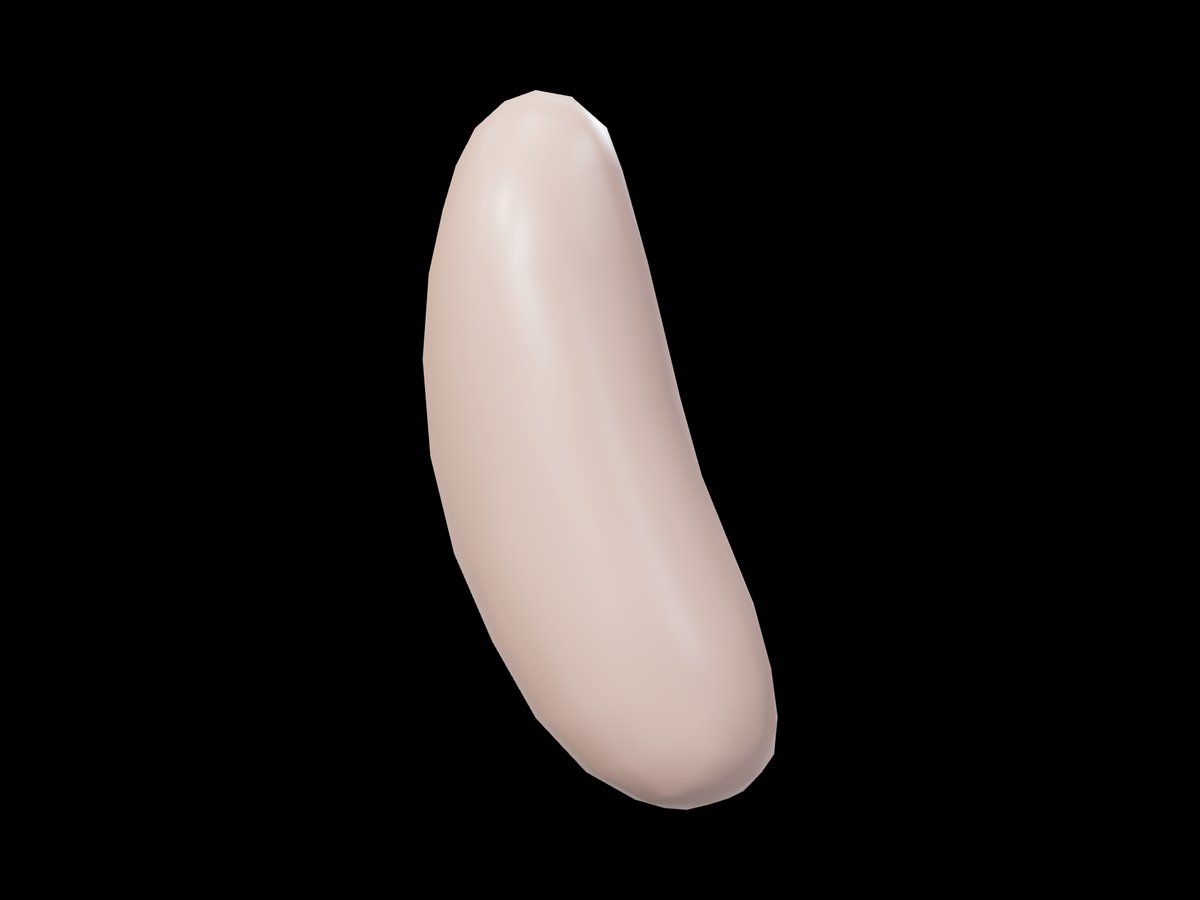
The ovaries are the female reproductive glands. They release eggs and produce the hormones oestrogen and progesterone.
Other names: Ovarium (Latin) · Ovaire (French) · Ovario (Spanish) · Ovário (Portuguese)
Key facts
- Type
- Female gonad
- Nerve supply
- Ovarian plexus (T10–T11)
- Arterial supply
- Ovarian artery (from the aorta) and ovarian branches of the uterine artery
- Function
- Matures and releases an egg each menstrual cycle and produces the hormones of the cycle and pregnancy.
Location and relations
On each side of the pelvis in the ovarian fossa on the side wall, attached to the back of the broad ligament, beside the fimbriated end of the uterine tube.
Parts and features
- Cortex with follicles at different stages
- Medulla with vessels and nerves
- Ligaments: suspensory ligament (carrying the ovarian vessels) and ovarian ligament (to the uterus)
Clinical notes
- Ovarian cysts are common; twisting (ovarian torsion) causes sudden pain and is an emergency
- Polycystic ovary syndrome causes irregular periods and reduced fertility
- Ovarian cancer often causes vague symptoms such as bloating and is frequently found late
Quick answers
Where is the ovary located?
On each side of the pelvis in the ovarian fossa on the side wall, attached to the back of the broad ligament, beside the fimbriated end of the uterine tube.
What does the ovary do?
Matures and releases an egg each menstrual cycle and produces the hormones of the cycle and pregnancy.
What is the nerve supply of the ovary?
Ovarian plexus (T10–T11)
What is the blood supply of the ovary?
Ovarian artery (from the aorta) and ovarian branches of the uterine artery
Notes written for anatmy3d and checked against Gray’s Anatomy, Moore’s Clinically Oriented Anatomy and Netter. Last reviewed .