Brain and spinal cordFrontal lobe
Paracentral gyrus and sulcus
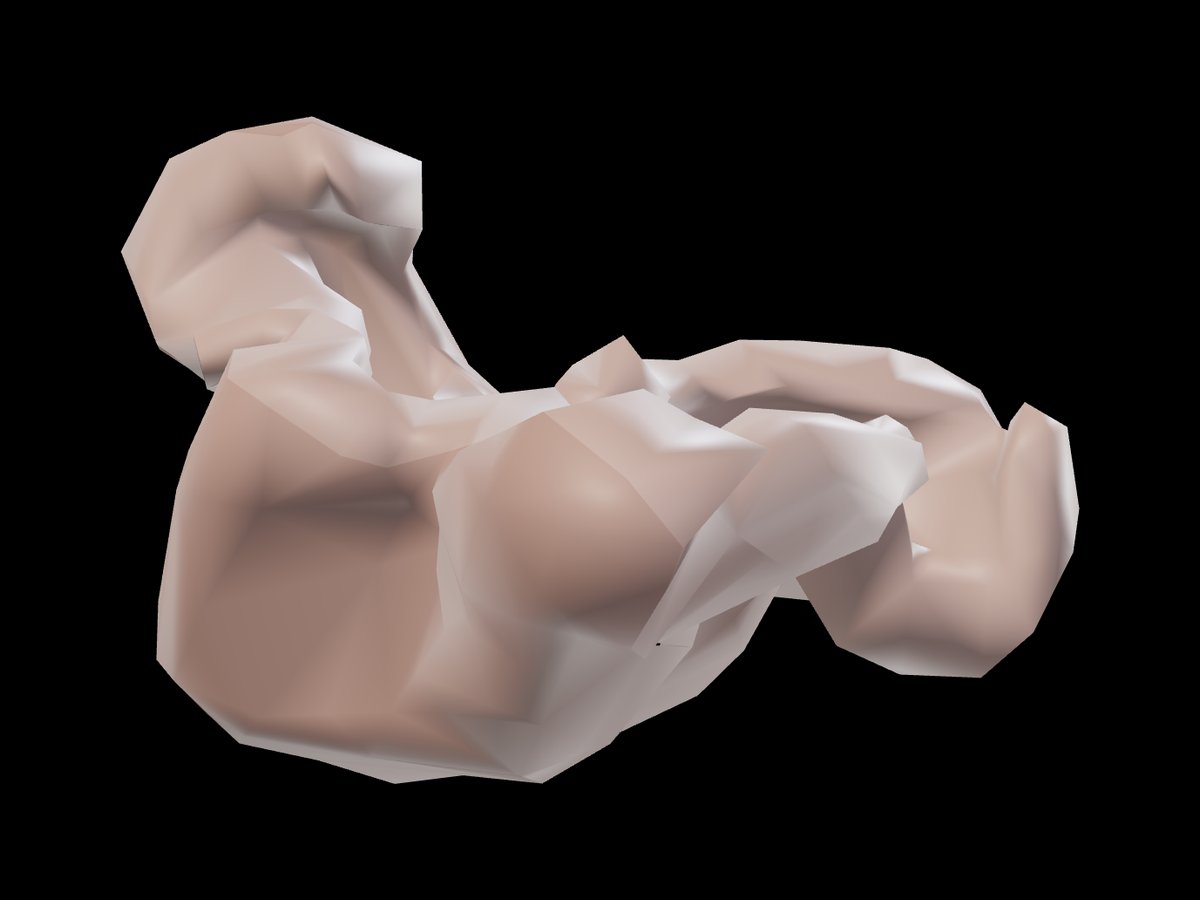
The paracentral lobule (gyrus) is on the inner surface of the hemisphere, wrapping around the top end of the central sulcus. It controls movement and sensation of the opposite leg and foot and helps control the bladder.
Key facts
- Type
- Lobule of the medial surface of the frontal and parietal lobes
- Arterial supply
- Anterior cerebral artery (callosomarginal and paracentral branches)
- Function
- Motor and sensory areas for the opposite leg and foot; voluntary control of urination and defecation.
Location and relations
Medial surface of the hemisphere, above the cingulate sulcus, between the paracentral sulcus in front and the marginal part of the cingulate sulcus behind.
Clinical notes
- A tumour pressing here from the midline (parasagittal meningioma) or an anterior cerebral artery stroke can cause leg weakness and loss of bladder control
Quick answers
Where is the paracentral gyrus and sulcus located?
Medial surface of the hemisphere, above the cingulate sulcus, between the paracentral sulcus in front and the marginal part of the cingulate sulcus behind.
What does the paracentral gyrus and sulcus do?
Motor and sensory areas for the opposite leg and foot; voluntary control of urination and defecation.
What is the blood supply of the paracentral gyrus and sulcus?
Anterior cerebral artery (callosomarginal and paracentral branches)
Notes written for anatmy3d and checked against Gray’s Anatomy, Moore’s Clinically Oriented Anatomy and Netter. Last reviewed .