Brain and spinal cordFrontal lobe
Precentral gyrus
Gyrus precentralis
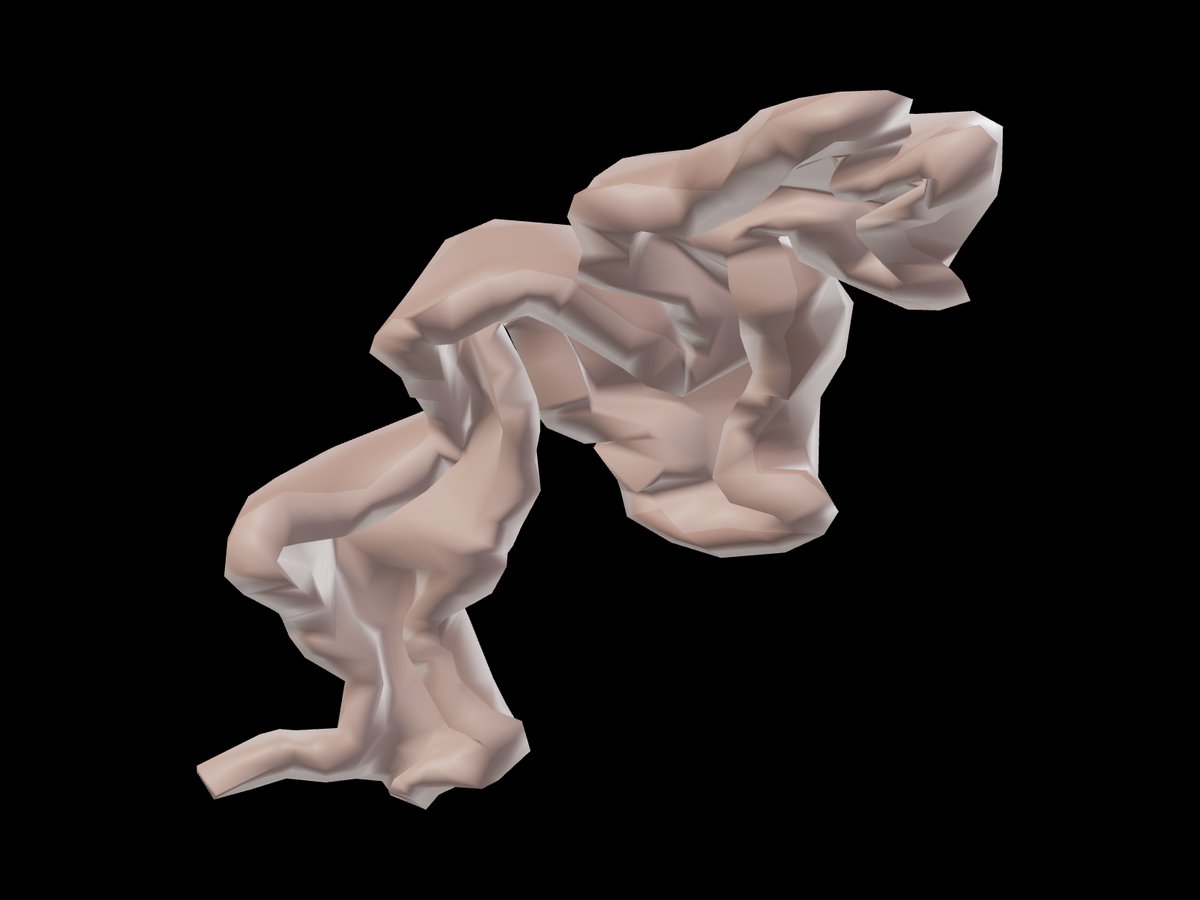
The precentral gyrus is the primary motor cortex. It sends the commands that move the opposite side of the body, mapped from the leg near the top to the face near the bottom.
Other names: Gyrus precentralis (Latin) · Gyrus précentral (French) · Giro precentral (Spanish, Portuguese)
Key facts
- Type
- Gyrus of the frontal lobe (Brodmann area 4)
- Arterial supply
- Middle cerebral artery (face, arm, hand); anterior cerebral artery (leg, on the medial surface)
- Function
- Starts voluntary movement; its pyramidal cells, including the giant Betz cells, are a major source of the corticospinal tract.
Location and relations
Directly in front of the central sulcus, running from the top of the hemisphere down to the lateral sulcus.
Clinical notes
- A stroke here causes weakness of the opposite side of the body, the pattern showing which part of the map is affected
- Seizures starting here can "march" from the hand to the arm and face (Jacksonian march)
Quick answers
Where is the precentral gyrus located?
Directly in front of the central sulcus, running from the top of the hemisphere down to the lateral sulcus.
What does the precentral gyrus do?
Starts voluntary movement; its pyramidal cells, including the giant Betz cells, are a major source of the corticospinal tract.
What is the blood supply of the precentral gyrus?
Middle cerebral artery (face, arm, hand); anterior cerebral artery (leg, on the medial surface)
Notes written for anatmy3d and checked against Gray’s Anatomy, Moore’s Clinically Oriented Anatomy and Netter. Last reviewed .