Brain and spinal cordBrainstem
Pons
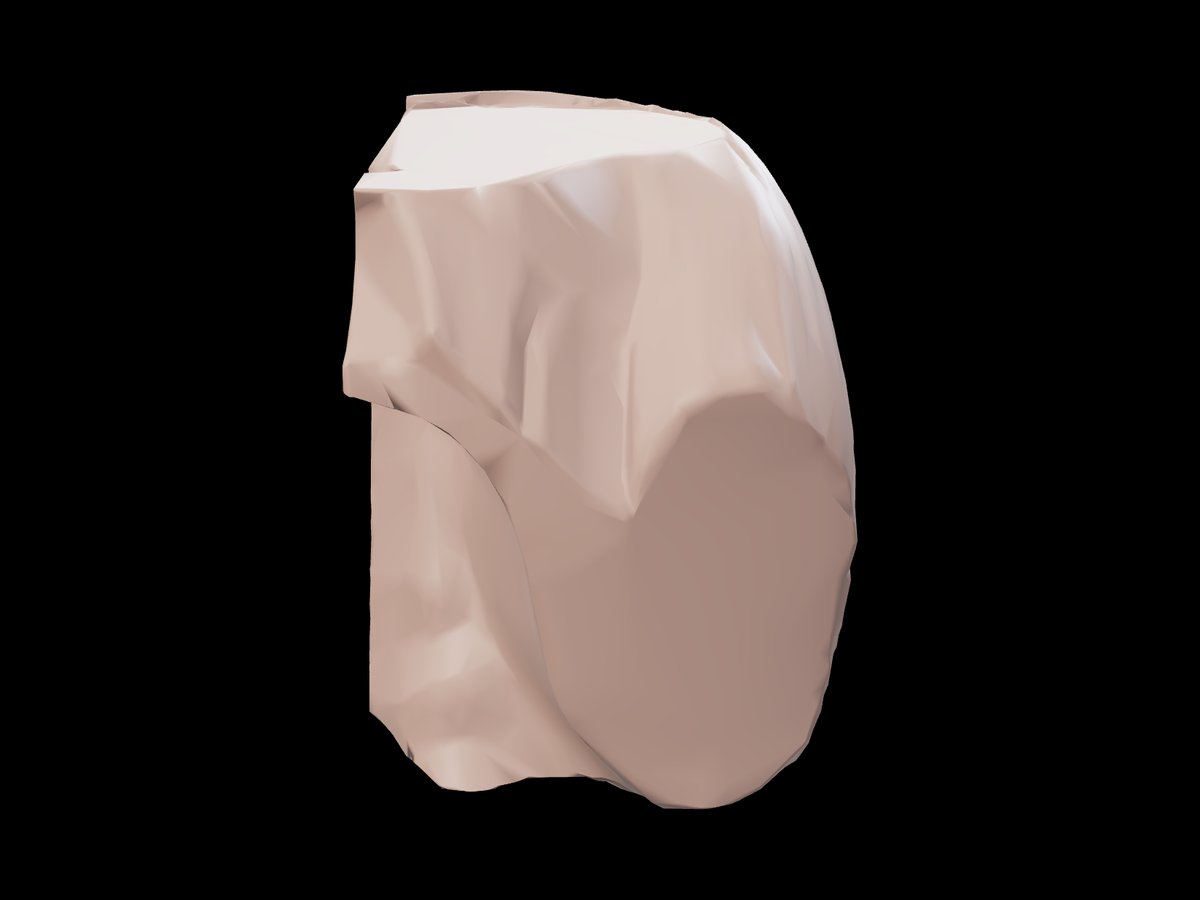
The pons is the bulging middle part of the brainstem. It relays signals between the cerebrum and the cerebellum and contains centres for breathing, facial movement, chewing and eye movements.
Other names: Pont (French) · Puente troncoencefálico (Spanish)
Key facts
- Type
- Part of the brainstem (metencephalon)
- Arterial supply
- Pontine branches of the basilar artery, anterior inferior and superior cerebellar arteries
- Function
- Relays cortex-to-cerebellum signals, controls breathing rhythm with the medulla, and houses the nuclei of cranial nerves V–VIII.
Location and relations
Between the midbrain above and the medulla below, in front of the cerebellum and the fourth ventricle, resting on the clivus.
Parts and features
- Basilar (front) part with pontine nuclei and descending motor fibres
- Tegmentum (back part) with cranial nerve nuclei and ascending pathways
- Middle cerebellar peduncles linking to the cerebellum
Clinical notes
- A large stroke in the front of the pons causes "locked-in" syndrome
- Rapid correction of low blood sodium can damage its myelin (osmotic demyelination)
Quick answers
Where is the pons located?
Between the midbrain above and the medulla below, in front of the cerebellum and the fourth ventricle, resting on the clivus.
What does the pons do?
Relays cortex-to-cerebellum signals, controls breathing rhythm with the medulla, and houses the nuclei of cranial nerves V–VIII.
What is the blood supply of the pons?
Pontine branches of the basilar artery, anterior inferior and superior cerebellar arteries
Notes written for anatmy3d and checked against Gray’s Anatomy, Moore’s Clinically Oriented Anatomy and Netter. Last reviewed .