Brain and spinal cordBrainstem
Olive
Oliva
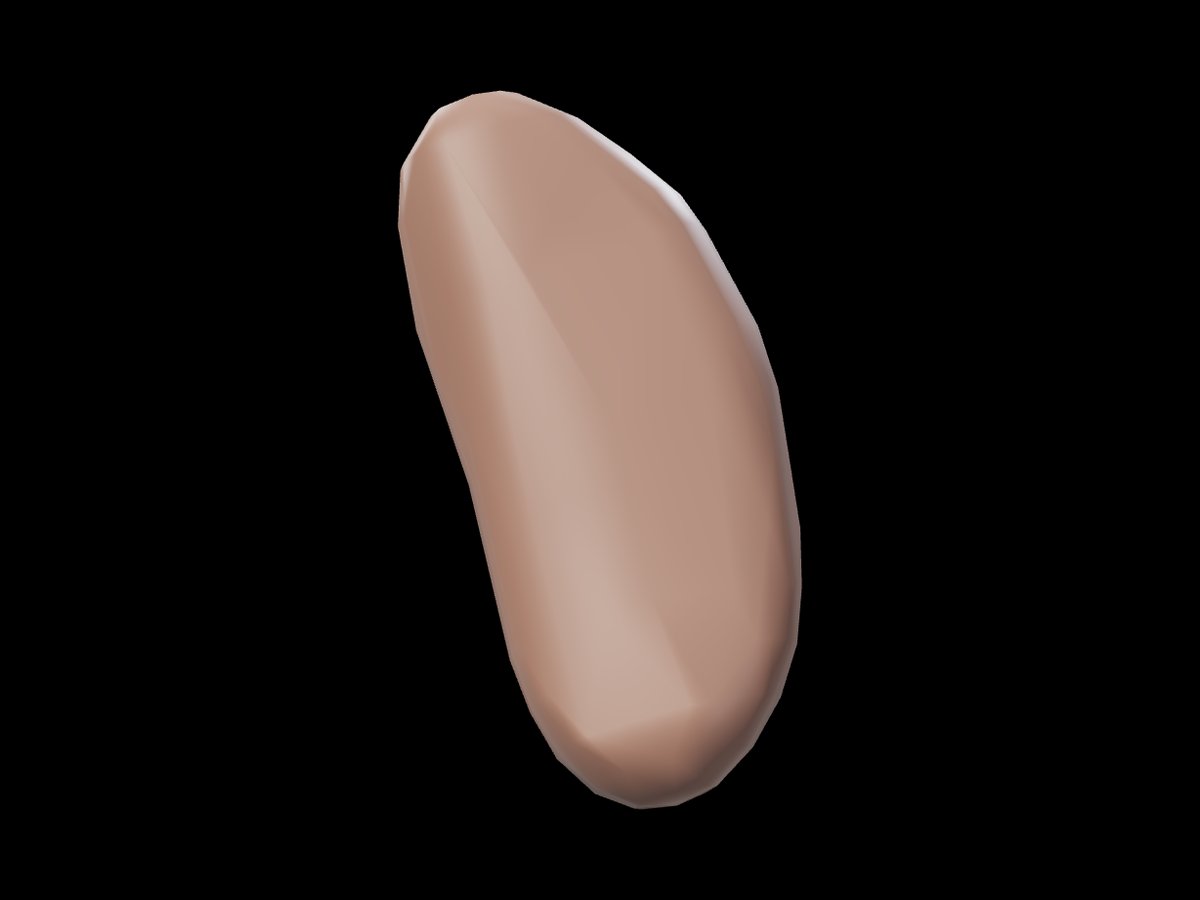
The olive is an oval bulge on the side of the medulla, produced by the inferior olivary nucleus inside it. It sends climbing fibres to the cerebellum.
Other names: Oliva (Latin, Spanish, Portuguese)
Key facts
- Type
- Surface feature and nucleus of the medulla
- Function
- The inferior olivary nucleus helps the cerebellum learn and time movements.
Location and relations
Side of the upper medulla, behind the pyramid; the hypoglossal nerve rootlets emerge in front of it and the glossopharyngeal, vagus and accessory rootlets behind it.
Clinical notes
- Damage to the circuit linking it with the red nucleus and dentate nucleus can enlarge it and cause rhythmic palate movements (palatal tremor)
Quick answers
Where is the olive located?
Side of the upper medulla, behind the pyramid; the hypoglossal nerve rootlets emerge in front of it and the glossopharyngeal, vagus and accessory rootlets behind it.
What does the olive do?
The inferior olivary nucleus helps the cerebellum learn and time movements.
Notes written for anatmy3d and checked against Gray’s Anatomy, Moore’s Clinically Oriented Anatomy and Netter. Last reviewed .