Posterior division of mandibular nerve
Divisio posterior nervi mandibularis
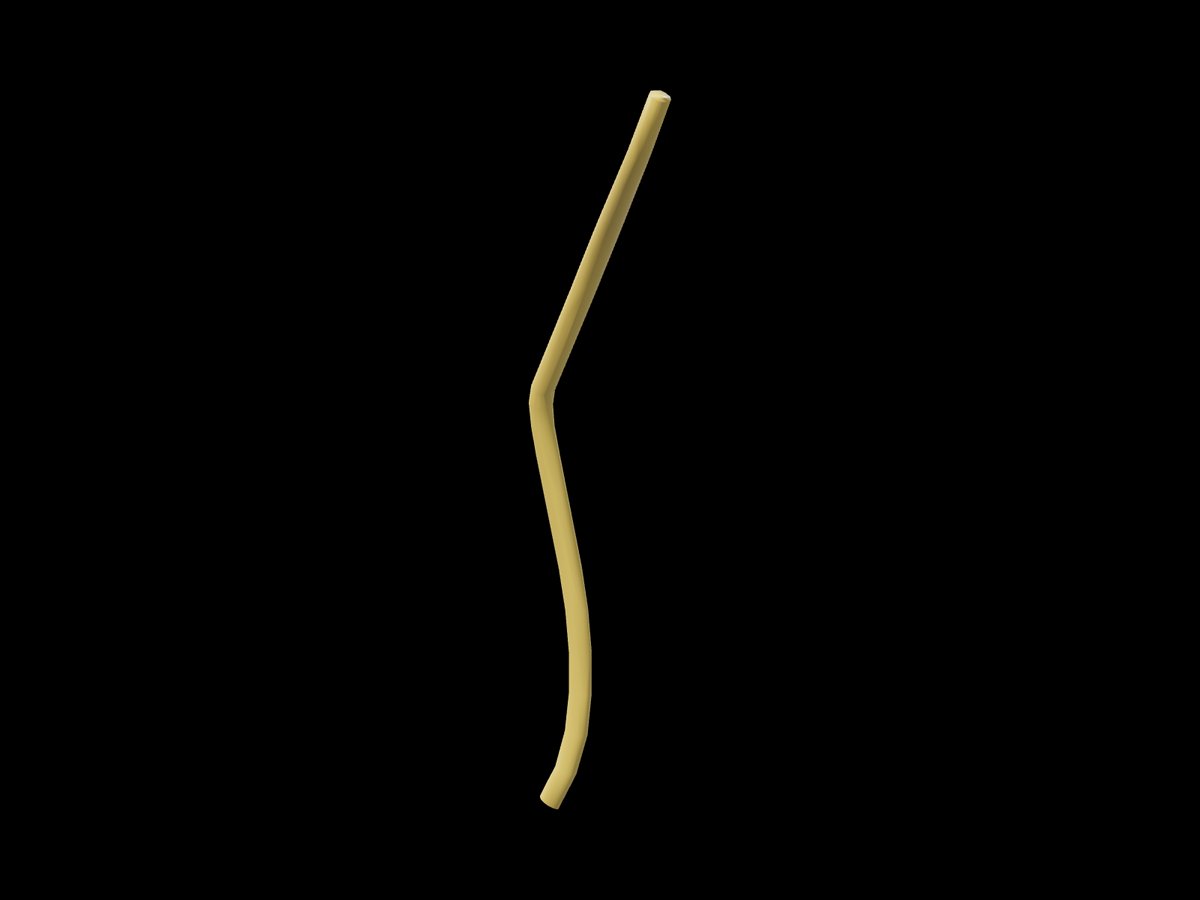
The posterior division of the mandibular nerve is mostly sensory. It gives the auriculotemporal, lingual and inferior alveolar nerves.
Other names: Divisio posterior nervi mandibularis (Latin) · Division postérieure du nerf mandibulaire (French) · División posterior del nervio mandibular (Spanish) · Divisão posterior do nervo mandibular (Portuguese)
Key facts
- Type
- Division of the mandibular nerve (V3)
- Branches
- Auriculotemporal, lingual and inferior alveolar nerves (with the nerve to mylohyoid)
- Course
- Arises from the mandibular nerve below the foramen ovale and divides in the infratemporal fossa.
- Function
- Sensation of the temple, ear, lower teeth, chin, lower lip and front two-thirds of the tongue; motor supply to mylohyoid and the anterior belly of digastric.
Clinical notes
- The auriculotemporal nerve carries the fibres that regrow abnormally in Frey syndrome after parotid surgery
Quick answers
What is the course of the posterior division of mandibular nerve?
Arises from the mandibular nerve below the foramen ovale and divides in the infratemporal fossa.
What does the posterior division of mandibular nerve do?
Sensation of the temple, ear, lower teeth, chin, lower lip and front two-thirds of the tongue; motor supply to mylohyoid and the anterior belly of digastric.
What are the branches of the posterior division of mandibular nerve?
Auriculotemporal, lingual and inferior alveolar nerves (with the nerve to mylohyoid)
Notes written for anatmy3d and checked against Gray’s Anatomy, Moore’s Clinically Oriented Anatomy and Netter. Last reviewed .